
Furnace Repair in Wichita, KS
Furnaces here run from October through April. If yours quits, tell us what it's doing and a licensed contractor who covers Sedgwick County will get in touch.
Tell us about the job
It takes about a minute.
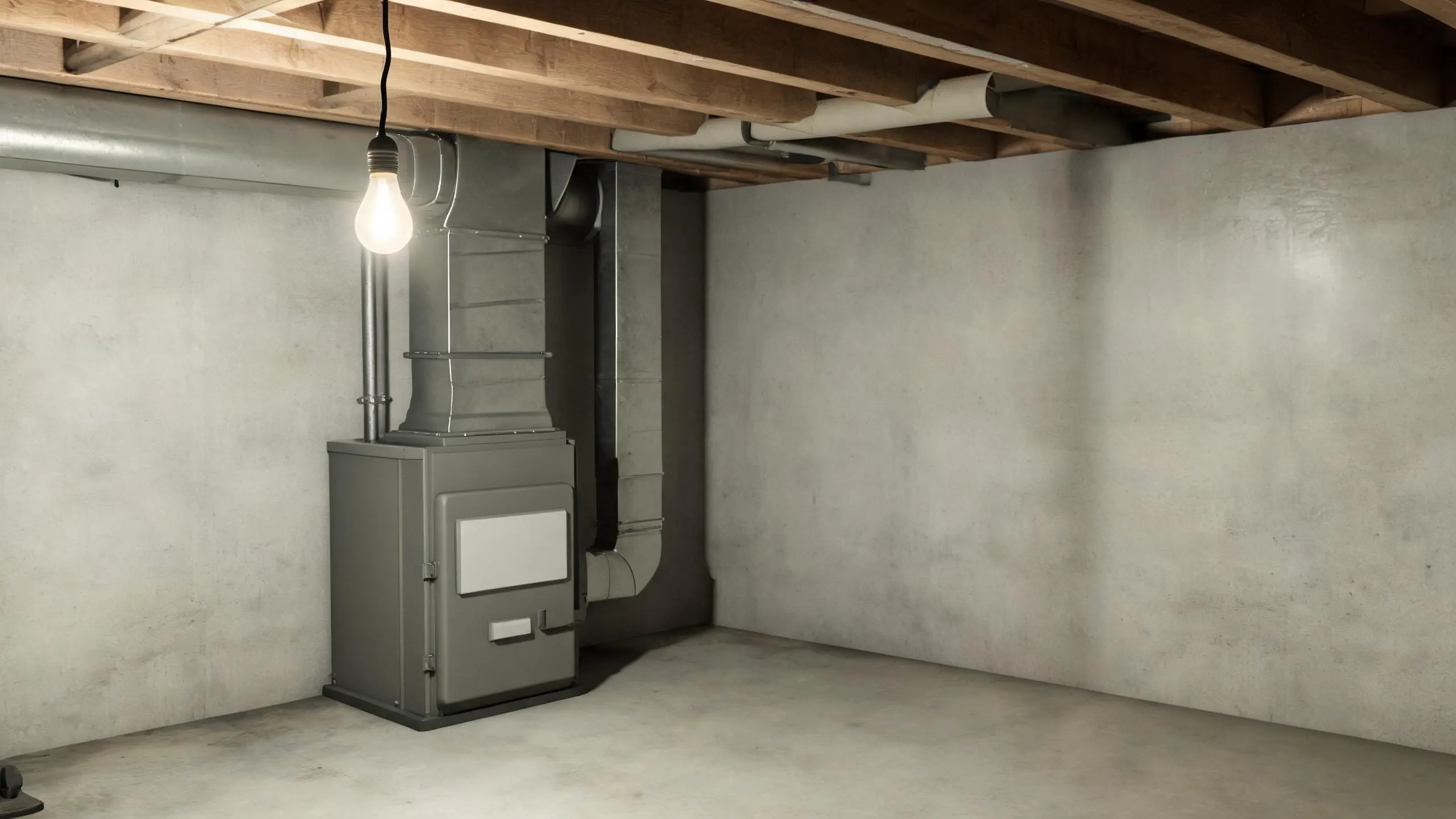
Seven months of heat, on nights near 24 degrees
Your furnace works from October through April here, and on the coldest nights it's answering to lows around 24°F. That means long stretches where the burner is cycling on and off for hours at a time, night after night. Each cycle puts a little more wear on the igniter and the parts that get the burner lit.
Most homes in Sedgwick County heat with gas, so when the igniter finally gives out, there's no backup keeping the house warm. Wichita also sees its share of winter storms and high wind, and when the power drops out for a stretch, a furnace that was already struggling may not start back up on its own. If your furnace is running rough, short cycling, or not lighting at all, that's what these seven months do to it.
- 7 months
- October through April, your furnace is on duty
- 24°F
- the average winter night it heats against
- 67%
- of homes here heat with gas, so most furnaces here burn gas
- 11 winter storms
- in ten years, the nights a failure hurts most
NOAA nClimDiv, 1991–2020 normals
A new furnace would cut about $110 a year off heating for a typical Sedgwick County home.
Estimates for a typical Sedgwick County home, compared with an older unit built to the previous federal minimum, from EIA household energy data, Kansas fuel prices and NOAA climate normals. Your home will differ.
Repair makes sense when one part has failed and the heat exchanger is sound.
Replacement makes sense when the heat exchanger is cracked or the furnace keeps needing parts.
In Kansas, HVAC licensing for homes is left to the counties and cities.
Kansas leaves this to local government, so whether a furnace repair contractor needs a license comes down to whether Sedgwick County or the city the house sits in requires one. There is no state exam and no state list to check a contractor against. Any record of testing or licensing exists only at the local level, if it exists at all.
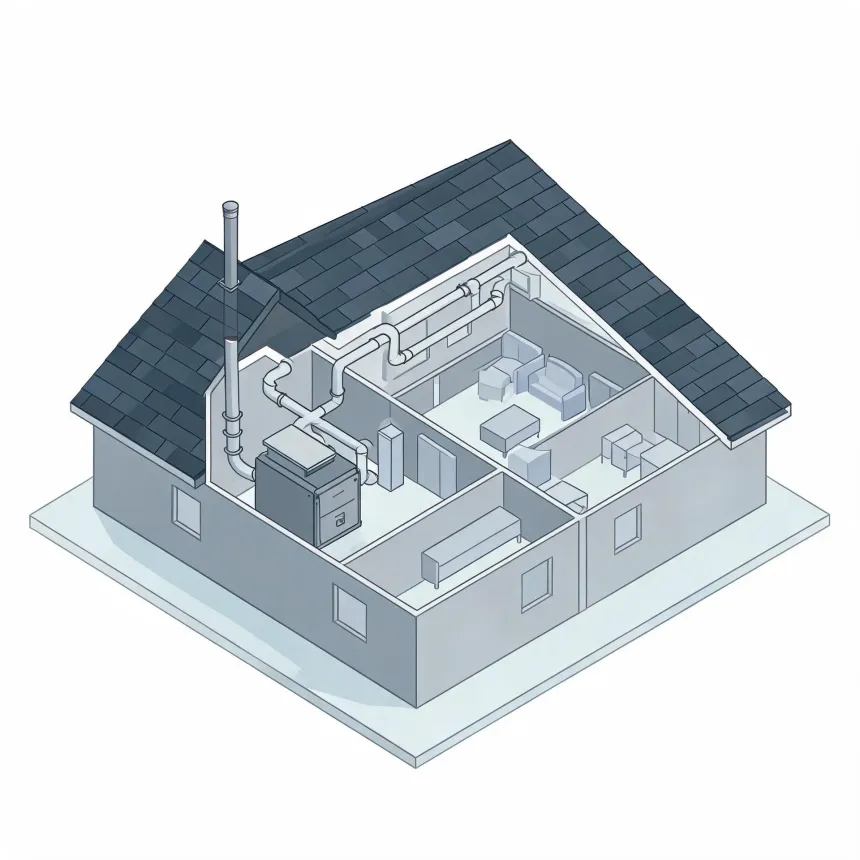
For a gas furnace, the gas connection is the part that matters most. A loose fitting or a bad seal is what makes this job dangerous. Whether that connection gets checked by anyone other than the contractor doing the work depends on the same local rules that decide whether a license is required at all. In Sedgwick County, 66.7% of homes heat with gas, so this is the kind of repair local rules were written with in mind.
Source: Kansas Office of Revisor of Statutes
- Why won't my furnace turn on?
- Most often the thermostat isn't calling for heat the way it should, or power isn't reaching the furnace. Check that the thermostat is set to heat and the temperature is above room temperature. Check the furnace switch, the one that looks like a light switch near the unit, and the breaker for it. If those are fine, the igniter or the flame sensor may have failed, and that calls for a contractor to check.
- Why is my furnace blowing cold air?
- If air is moving but it's not warm, the furnace may be running the blower without the burners lighting. That points to an ignition problem, a bad flame sensor, or the gas supply being interrupted. It can also mean the furnace is in the middle of its startup cycle, when the blower runs briefly before the burners fire. If cold air keeps coming, have a contractor check the ignition system.
- Why won't my furnace pilot light stay lit?
- A pilot light that won't stay lit usually means the thermocouple has worn out. That's the small sensor that sits in the pilot flame and tells the gas valve the flame is present. When it fails, the valve shuts the gas off as a safety measure, even though the pilot lit for a moment. A draft blowing out the pilot or a dirty pilot orifice can also cause this, and a contractor can tell which one it is.