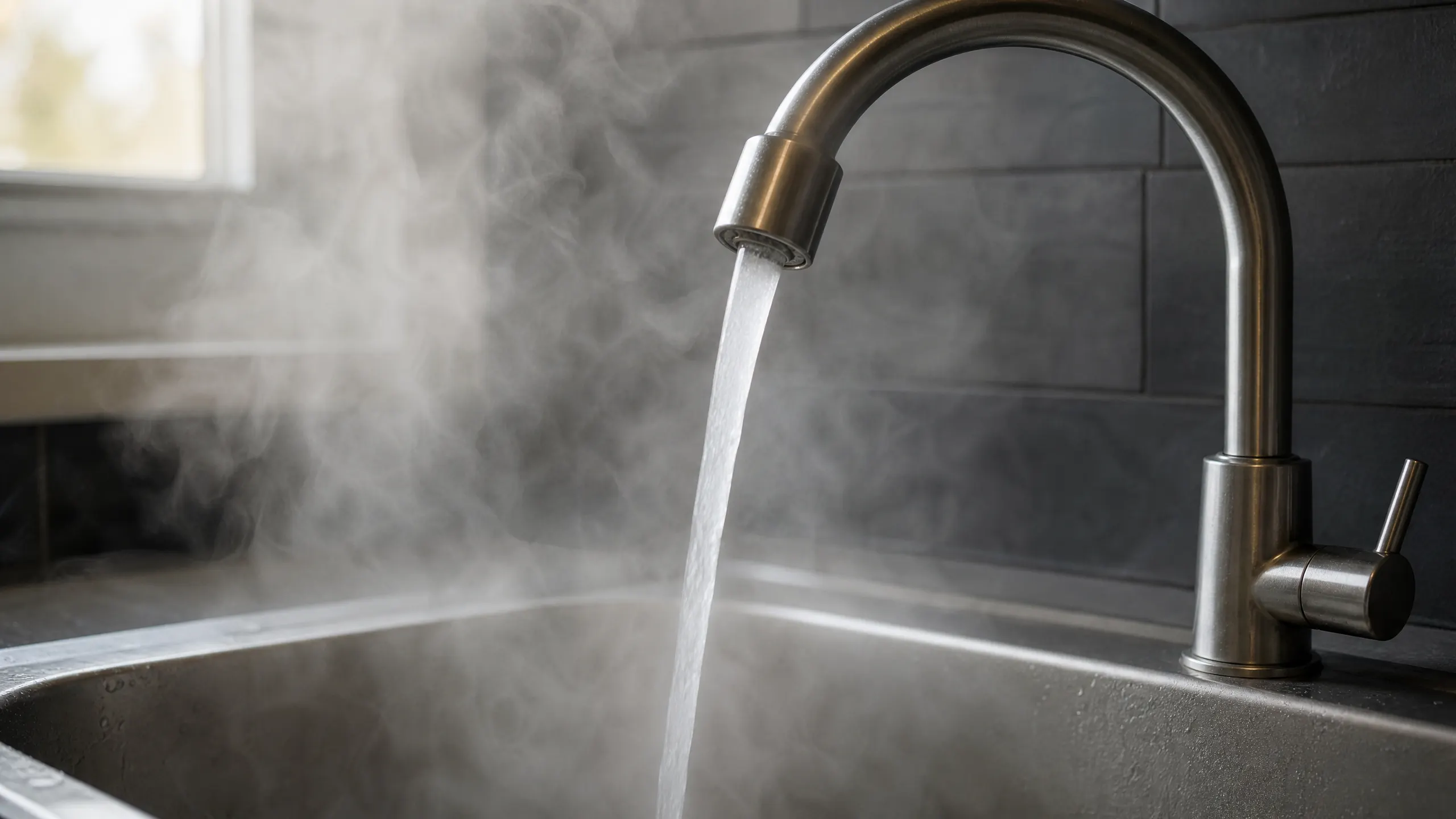
Water Heater Installation in Wichita, KS
Tell us about the house, and a licensed contractor who covers Sedgwick County will get in touch.
Tell us about the job
It takes about a minute.

What a Wichita water heater has to handle
Winter nights here average 24°F from December through February, and your water heater has to bring cold water up to temperature every time someone runs a shower or starts the dishwasher. Homes in the area need heat seven months a year, October through April, which gives you a sense of how long the cold season really runs here.
Power isn't always reliable either. Kansas saw 19% of households lose power for 24 hours or more in 2024, and the county has logged 11 winter storms and 332 damaging wind events over the past ten years. That's worth weighing when you decide between a gas and an electric unit. Federal efficiency minimums for storage tank water heaters are set by a formula based on the tank's size, so two tanks of different capacity are held to different standards even when they're the same type.
- 24°F
- the average winter night, and colder incoming water means longer heating
- 7 months
- October through April, the months homes here need heat
- 19%
- of Kansas households lost power for a day or more in 2024, and a heater with an electric element or electric ignition stops without it
NOAA nClimDiv, 1991–2020 normals

A heat pump water heater would save about $320 a year to run in Kansas compared with an electric water heater.
Estimates for a typical Kansas home, from EIA household energy data and Kansas fuel prices. Your home will differ.
- How do I know it's time to replace my water heater?
- The clearest sign is water pooling at the base of the tank or rust coming out of the hot side of your faucets. A tank storing water for years will eventually corrode from the inside, and once it starts leaking it won't stop. Cold spots in your hot water or a pilot or igniter that won't hold are also reasons to have it looked at before it fails on its own schedule instead of yours. Most homes in Sedgwick County heat with gas, so a contractor checking the unit will also check the venting and gas line at the same time.
- Should I switch to a tankless water heater?
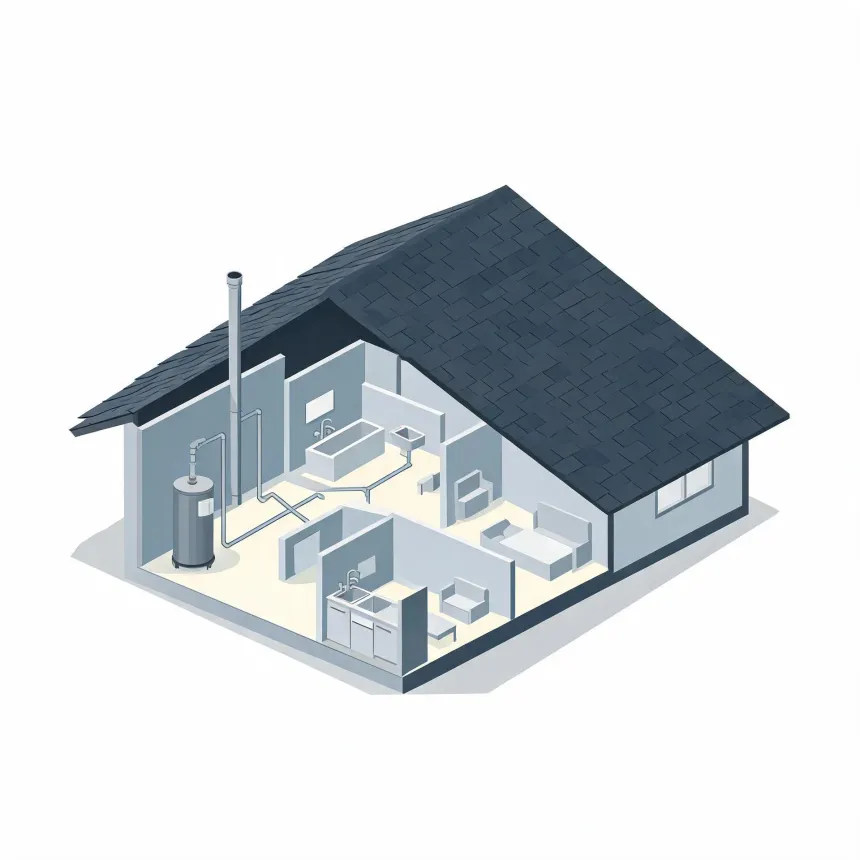
- It depends on what you want out of it, not on whether your current tank is failing. A tankless unit heats water only as you use it, so you don't run out during a long shower or back to back loads, and it takes up less space than a tank. It also means adapting the gas line, venting and sometimes the electrical to match what the new unit needs, which is a bigger job than swapping in another tank. A contractor can look at your home and tell you what that changeover actually involves.
- What changes when you install a tankless water heater?
- The unit itself is smaller, but what feeds it usually has to change. Tankless heaters need a higher volume of gas at once than a tank does, so the gas line often needs to be resized, and the venting is different too since the unit fires up and down with demand instead of holding a standing pilot. Some installs also call for a new electrical circuit and a condensate drain if the model is high efficiency. A contractor will check your home's gas supply and venting before quoting the switch, since what's needed depends on the house.