
HVAC Installation in Newton, KS
A new system here will heat from October through April and cool from May through September every year. Tell us about the house, and a licensed contractor who covers Harvey County will get in touch.
Tell us about the job
It takes about a minute.
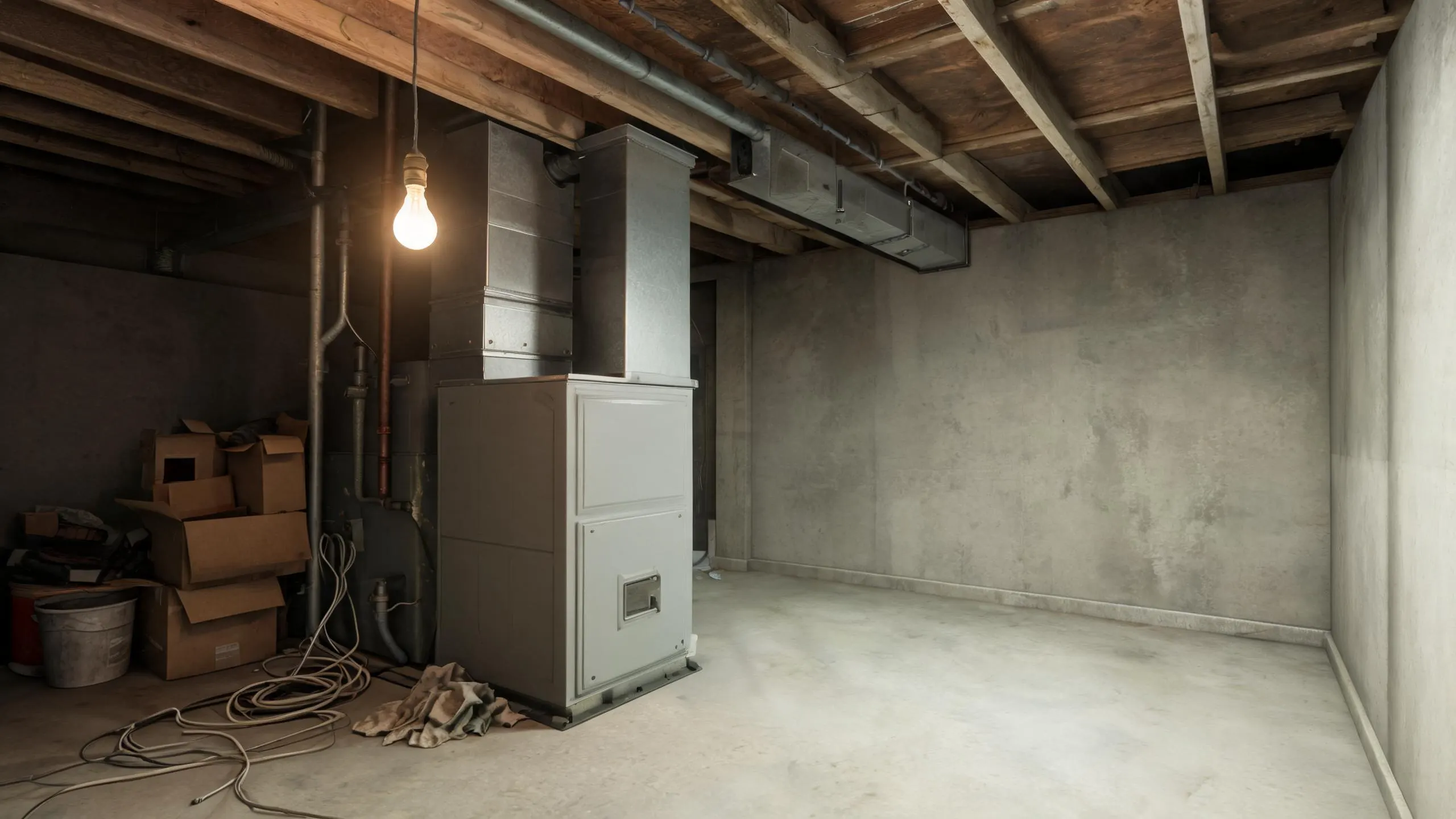
Newton runs its system nearly year round
Winter nights here average 23°F from December through February, and homes need heat from October through April, seven months of the year. Summer afternoons average 90°F, with cooling needed May through September. That leaves your new system idle only a few weeks out of twelve.
A furnace built for this has to hold up through a long, cold heating season, and the air conditioner has to answer real heat, not just take the edge off. Most homes here heat with gas, so the furnace does the heavy lifting most of the year. Wind and winter storms are part of the picture too, with 91 damaging wind events and 9 winter storms recorded here over the last ten years, and nearly one in five Kansas households lost power for a day or more in 2024. A system installed right accounts for what this place actually asks of it, not just what a mild season would.
- 7 months
- October through April, your system heats
- 5 months
- May through September, it cools
- 23°F
- the average winter night it heats against
- 90°F
- the average summer afternoon it cools against
NOAA nClimDiv, 1991–2020 normals
In Kansas, HVAC licensing for homes is left to the counties and cities.
Harvey County sets its own rule for HVAC contractors, and whether one applies here depends on the city or county line the house falls inside. Some places test and license contractors directly. Others leave it to a business registration, or nothing at all. There is no state list to check against, because Kansas does not keep one for this trade.
What stands in for that here is the permit process. Installing a furnace or air conditioner in most cities and counties means the contractor pulls a permit from the local building office before the work starts, and an inspector checks the work once it is done. That inspection is what catches a bad gas line or a wiring mistake, not a license number.
Source: Kansas Office of Revisor of Statutes
- When should I replace my HVAC system?
- Replace it when repairs start coming often, or when the system is old enough that the next breakdown is likely to cost more to fix than to replace. Furnaces and air conditioners both last a couple decades under normal use, but the last few years of that life tend to bring shorter cycles, rising bills, and repair calls that come back within a season. Here, the furnace runs October through April and the air conditioner runs May through September, so both sides of the system see real work all year. If yours is old and you're already calling for a repair, ask the contractor what replacing it would involve before you pay for another fix.
- Should I replace my furnace and air conditioner at the same time?
- If both are old, yes, and here's why. A furnace and air conditioner installed years apart often end up mismatched, since the blower, coil, and outdoor unit are sized to work together. Replacing them at the same time also means one round of ductwork checks and one inspection instead of two. If only one has actually failed, a contractor can tell you whether the other is worth pairing with it now or waiting out its remaining years.
- What happens during an HVAC installation?
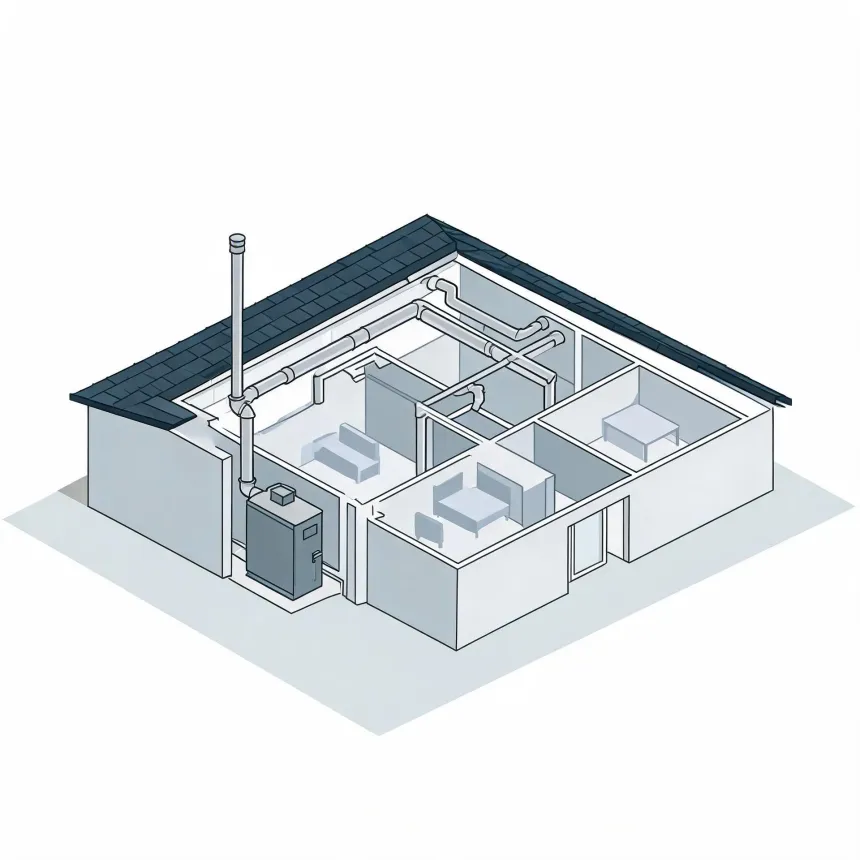
- A contractor removes the old furnace, air conditioner, or heat pump and sets the new equipment in its place, then connects the ducts, the gas or electrical line, the condensate drain, and the refrigerant lines to the outdoor unit. Once it's running, they check the airflow, the refrigerant charge, and the thermostat wiring to confirm everything is working the way it should. Most cities and counties around here require a permit for this work and an inspection once it's done, so expect that step as part of the job. A contractor pricing your install will also tell you what your specific home needs, since duct layout and electrical setup vary house to house.