
HVAC Installation in McPherson, KS
A new system here will heat from October through April and cool from May through September every year. Tell us about the house, and a licensed contractor who covers McPherson County will get in touch.
Tell us about the job
It takes about a minute.
McPherson County asks a lot from a new system
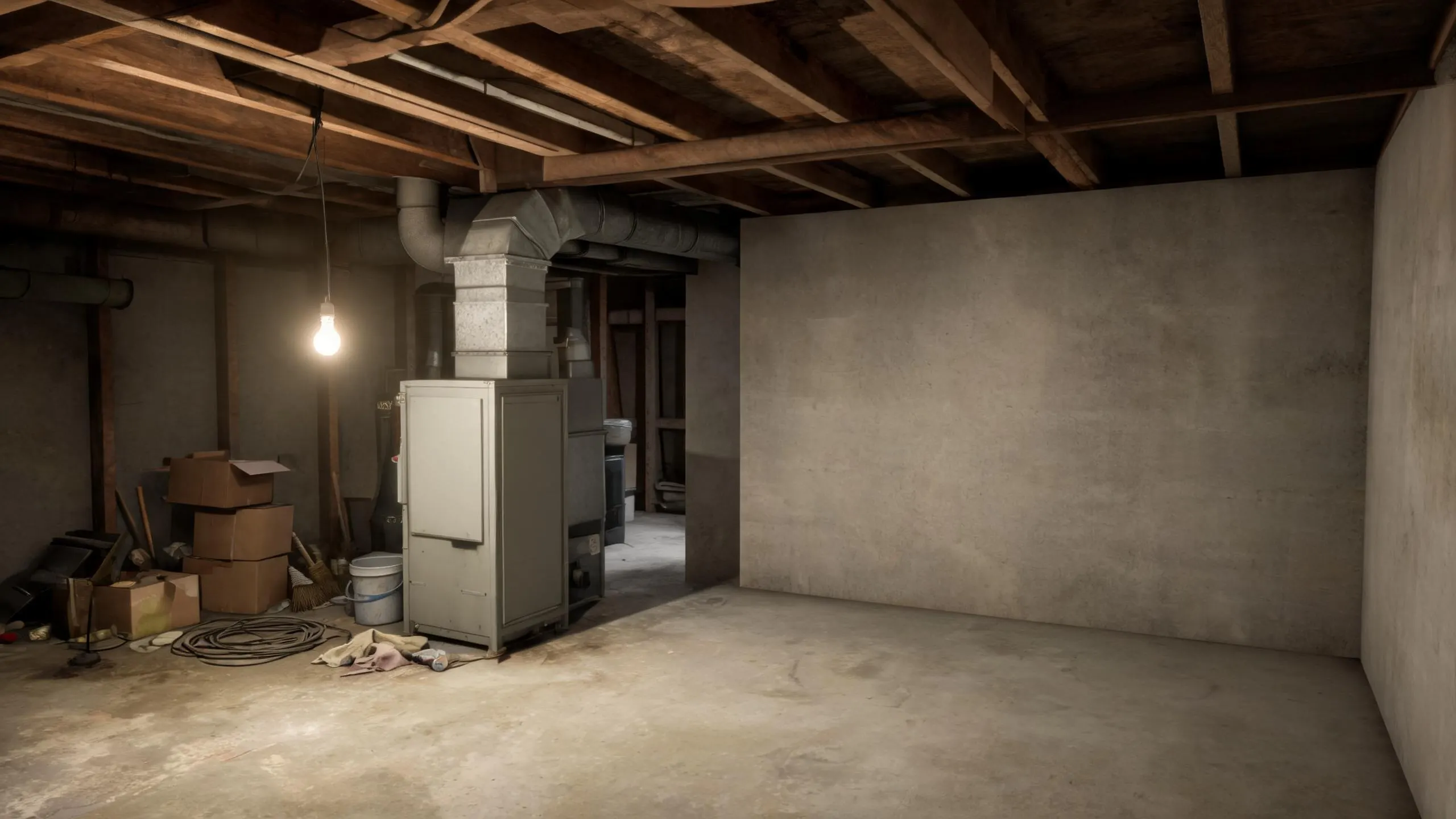
Winter nights here average 23°F from December through February. A new furnace has to hold a house steady against that, night after night, from October through April. That's seven months of heating. Summer turns it around from May through September, five months with afternoons averaging 90°F, when the air conditioner is what stands between you and the heat. Between the two, something in your house is working almost every month of the year.
Most homes in the area heat with gas, so a new furnace is doing the heavy lifting most winters ask for here. Whatever gets installed needs to be sized for both the cold nights and the hot afternoons, not just one or the other.
- 7 months
- October through April, your system heats
- 5 months
- May through September, it cools
- 23°F
- the average winter night it heats against
- 90°F
- the average summer afternoon it cools against
NOAA nClimDiv, 1991–2020 normals
In Kansas, HVAC licensing for homes is left to the counties and cities.
Kansas leaves this up to McPherson County itself, so there is no state exam or state record behind a contractor's name. Whether a license is required at all depends on where the house sits, and that answer comes from the county or the city, not from the state.
For an installation like this, the permit is what stands in for that missing license. In most cities and counties, putting in a new furnace, air conditioner or heat pump means pulling a permit from the local building office, and the work gets inspected once it's done. That inspection is what catches a bad gas line or a miswired connection, the part of the job where a mistake is dangerous.
Source: Kansas Office of Revisor of Statutes
- When should I replace my HVAC system?
- When it can no longer keep up, or when repairs keep adding up on a unit that's past 12 to 15 years old. A furnace or air conditioner working harder each year to do the same job is telling you something. With winter lows here averaging 23°F and homes needing heat from October through April, a furnace on its last legs is a bigger risk here than somewhere milder. If yours struggled last winter, don't wait for it to fail on the coldest night to replace it.
- Should I replace my furnace and air conditioner at the same time?
- If both are old, yes, it's worth doing together. A furnace and air conditioner installed at the same time are matched to work as one system, and replacing only one can leave the other running against equipment it wasn't sized with. Homes here run the furnace 7 months a year and the air conditioner 5, so both units see real work every year and tend to age together. A contractor can look at the age and condition of each and tell you whether one or both need to go.
- What happens during an HVAC installation?
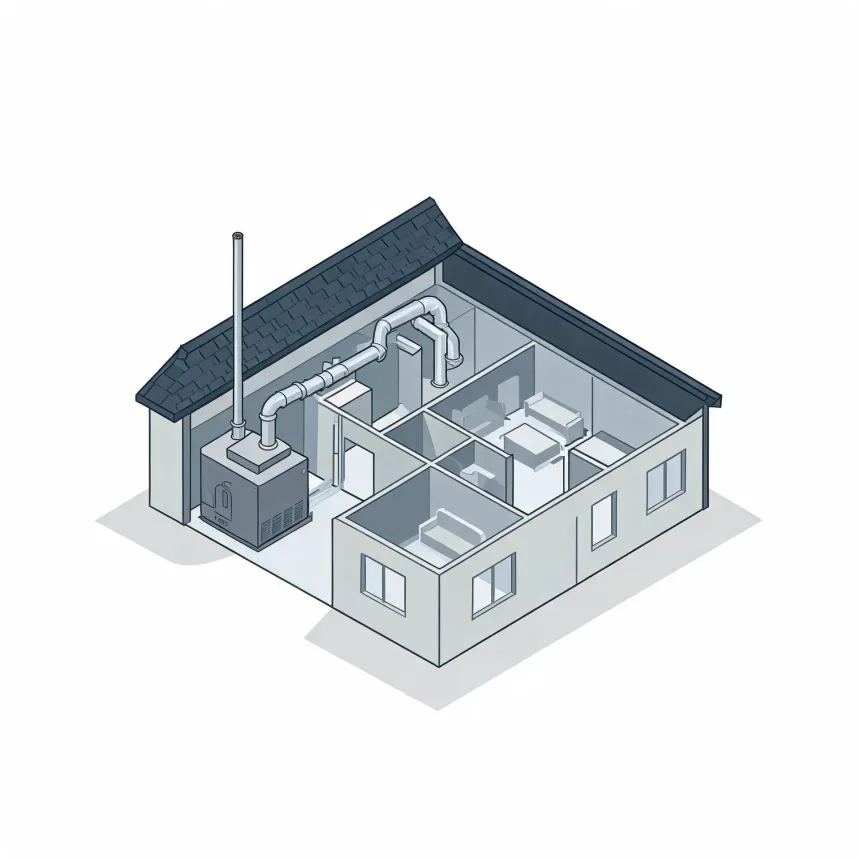
- A contractor removes the old furnace or air conditioner, sets the new equipment in place, and connects it to your ductwork, gas line or refrigerant lines, and electrical. Once it's running, they test it and check the airflow and the readings against what the equipment is rated for. In most cities and counties around McPherson, this work needs a permit from the local building office and an inspection when it's done, so a licensed contractor will handle that step as part of the job.