
HVAC Repair in Newton, KS
Homes here need heat from October through April and cooling from May through September. If your system quits, tell us what it's doing and a licensed contractor who covers Harvey County will get in touch.
Tell us about the job
It takes about a minute.
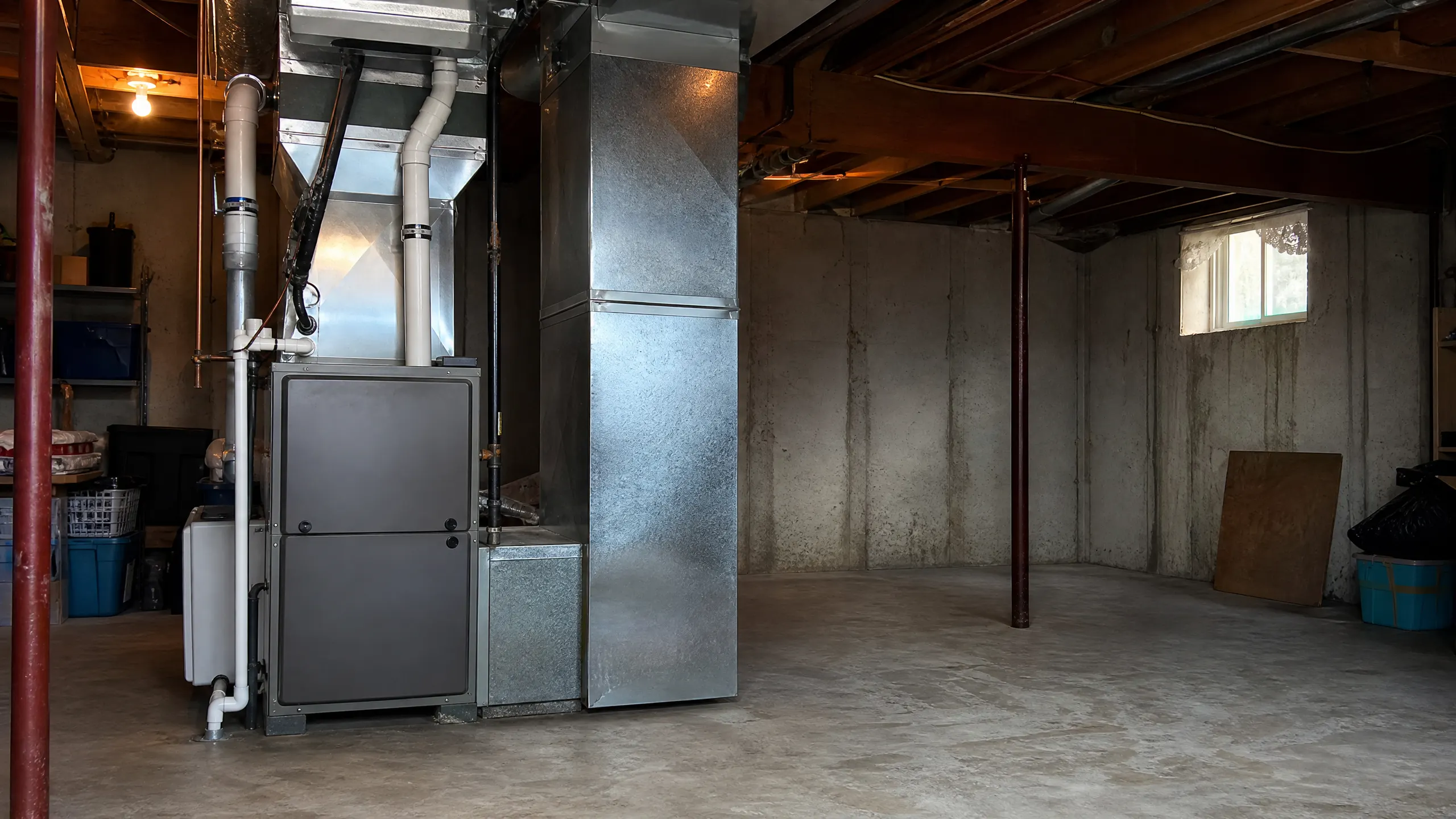
Newton runs its furnace and its air conditioner both hard
Your furnace works seven months a year here, October through April. On the nights that drop to 23°F, it cycles on and off for hours trying to hold the house steady. Each start puts a load on the igniter, and igniters wear out from exactly that kind of repeat firing. When one finally fails, the furnace won't light at all, and you find out at night when it's coldest.
Then summer flips the load the other way. Five months of afternoons near 90°F means the air conditioner runs long stretches with barely a break. The condenser fan and the compressor take the wear, and a system pushed that hard for that long is more likely to trip out or stop cooling right when you need it most. On top of that, this part of Kansas sees its share of high wind, ninety-one damaging wind events over the last ten years, and outdoor units sitting exposed to that can end up with bent fins or debris packed into the coil.
- 7 months
- October through April, your system heats
- 5 months
- May through September, it cools
- 23°F
- the average winter night it heats against
- 90°F
- the average summer afternoon it cools against
NOAA nClimDiv, 1991–2020 normals
A new furnace and air conditioner would cut about $150 a year off heating and cooling for a typical Harvey County home.
Estimates for a typical Harvey County home, compared with an older unit built to the previous federal minimum, from EIA household energy data, Kansas fuel prices and NOAA climate normals. Your home will differ.
Repair makes sense when one part has failed.
Replacement makes sense when the furnace's heat exchanger is cracked, the air conditioner's compressor has failed, or repairs keep coming.
In Kansas, HVAC licensing for homes is left to the counties and cities.
Kansas doesn't test or license HVAC contractors at the state level, so there's no statewide record to check. Whatever oversight exists comes from Harvey County or whatever city the house sits in, and what that covers varies from one place to the next. Some cities and counties require a license to do HVAC work. Others leave it alone entirely.
For a repair on a heating and cooling system, that means the protection isn't a state license, since Kansas has none to check. It comes from whatever rule Harvey County or the local city has on its own books, if any. Whether a contractor working on this job is licensed at all depends on where in Kansas the house sits.
Source: Kansas Office of Revisor of Statutes
- Why is my heat not working?
- The most common reason is the igniter or flame sensor has failed, especially in a gas furnace that has been running steadily since October. If the thermostat display is blank or dim, check the breaker first, since a tripped breaker will stop the furnace cold. When nights are dropping to 23°F, do not wait on this one. A furnace that short cycles or blows cold air needs a contractor to look at the ignition system before the next cold night.
- Why is my system running but not cooling the house?
- If the blower is running but the air is not cold, the problem is usually low refrigerant or a coil that is frozen over. Check the filter first. A clogged filter starves the coil of airflow and it ices up, and once that happens the system needs time to thaw before it can cool again. If the filter is clean and the air still is not cold, the refrigerant charge is likely low, and that needs a licensed contractor, since it involves refrigerant handling. On a 90°F afternoon this shows up fast, so do not run the system for hours hoping it corrects itself.
- What can I check before calling for HVAC repair?
- Check the thermostat batteries and setting first, since a dead battery or a setting bumped to the wrong mode causes calls that have nothing wrong with the equipment. Check the breaker box for anything tripped. Check the filter and replace it if it is visibly dirty, since airflow problems cause both heating and cooling complaints. If the outdoor unit is covered in snow or debris after a storm, clear it. If none of that explains what you are seeing, a contractor will need to diagnose the rest.