
HVAC Repair in Junction City, KS
Homes here need heat from October through April and cooling from May through September. If your system quits, tell us what it's doing and a licensed contractor who covers Geary County will get in touch.
Tell us about the job
It takes about a minute.
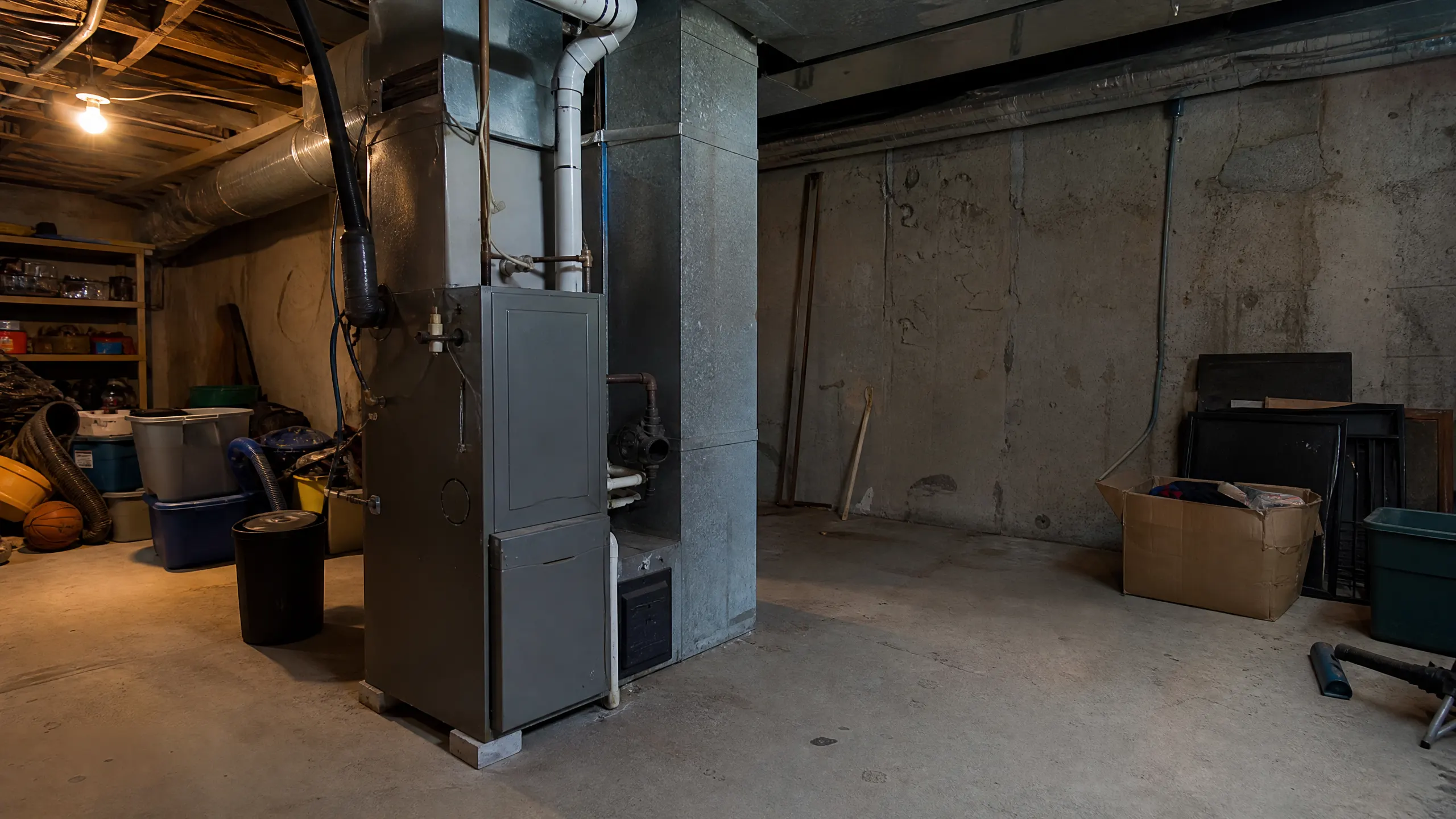
Junction City runs its system almost year round
Your furnace works October through April here, and the air conditioner takes over May through September. That leaves almost no season off. Winter nights average 21°F, cold enough that the burner cycles on and off most of the night to hold the house steady. Every cycle is a start, and the igniter and the flame sensor are what wear down from all that starting.
Summer afternoons average 88°F, which means the compressor runs long hours to keep up. That kind of run time is hard on the capacitor and the fan motor. Geary County also sees its share of rough weather, with 92 damaging wind events and 11 winter storms logged over the last ten years. Wind and ice both put outdoor units and power lines at risk, and when the power drops, a gas furnace with an electric blower won't run until it's back.
- 7 months
- October through April, your system heats
- 5 months
- May through September, it cools
- 21°F
- the average winter night it heats against
- 88°F
- the average summer afternoon it cools against
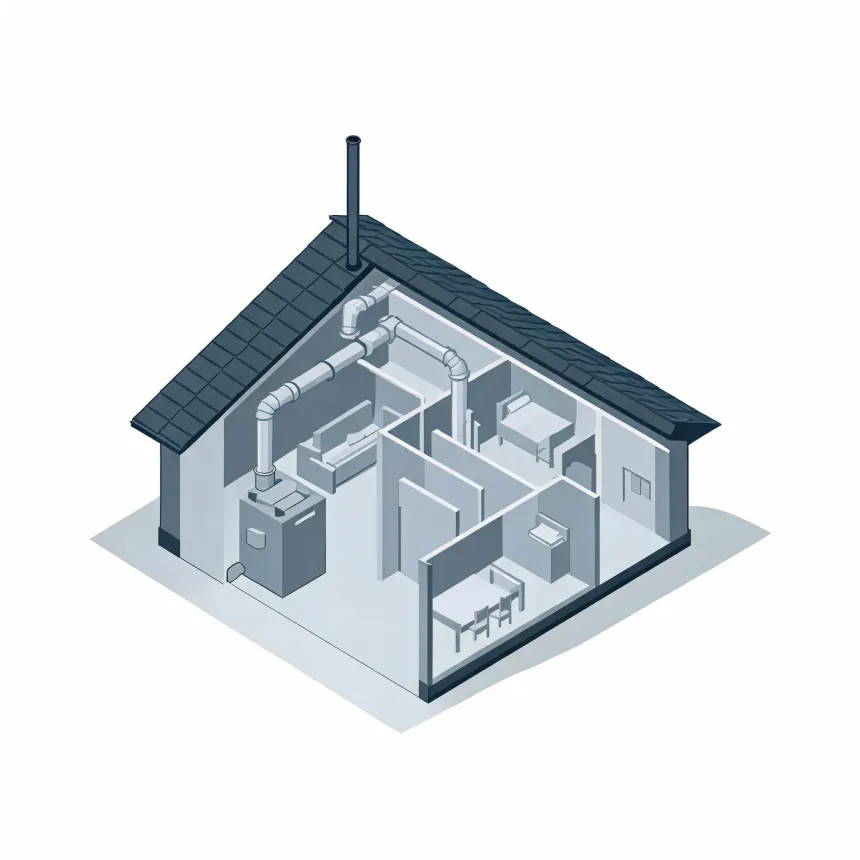
NOAA nClimDiv, 1991–2020 normals

A new furnace and air conditioner would cut about $160 a year off heating and cooling for a typical Geary County home.
Estimates for a typical Geary County home, compared with an older unit built to the previous federal minimum, from EIA household energy data, Kansas fuel prices and NOAA climate normals. Your home will differ.
Repair makes sense when one part has failed.
Replacement makes sense when the furnace's heat exchanger is cracked, the air conditioner's compressor has failed, or repairs keep coming.
In Kansas, HVAC licensing for homes is left to the counties and cities.
Geary County sets its own rule on who can do this work, and Kansas leaves it that way statewide. There is no state test behind an HVAC contractor here and no state record to check. Whatever license applies comes from the county or the city, if either requires one at all, so what protects you depends on the address, not on a state board.
For a repair on a heating and cooling system, that means Geary County is the only place any requirement would come from. There is no state license standing behind the work here, only whatever the county or city has put in place on its own.
Source: Kansas Office of Revisor of Statutes
- Why is my heat not working?
- Most often it is the igniter or a flame sensor that has failed, especially if the furnace tries to start and then shuts off. If you have a gas furnace, check that the gas valve is on and the switch on the furnace itself, the one that looks like a light switch, is in the on position. A thermostat with dead batteries or a tripped breaker will also stop a furnace cold. With winter nights here averaging 21°F, do not wait long on this one. A contractor can tell you which part failed once they see the error code the furnace is storing.
- Why is my system running but not cooling the house?
- The fan runs off a different part of the system than the part that actually cools the air, so you can have full airflow with no cold air behind it. A dirty filter chokes the airflow across the indoor coil and will drop your output fast. Low refrigerant from a leak does the same thing, and it will not fix itself by running longer. If the outdoor unit outside is caked with grass clippings or leaves it cannot shed heat properly either. With afternoons here running near 88°F all summer, a system that is not actually cooling needs a look soon rather than later.
- What can I check before calling for HVAC repair?
- Start with the thermostat. Make sure it is set to heat or cool as needed, the batteries are fresh, and the setpoint is actually past room temperature. Next check the filter and replace it if it is gray or clogged, since a blocked filter causes both heating and cooling complaints. Look at the breaker panel for anything tripped, and if you have a gas furnace, confirm the gas valve and the furnace's own power switch are both on. Outside, clear leaves or debris away from the outdoor unit. If none of that brings it back, a contractor will need to diagnose the rest.