
Furnace Installation in Junction City, KS
A new furnace here will run from October through April every year. Tell us about the house, and a licensed contractor who covers Geary County will get in touch.
Tell us about the job
It takes about a minute.
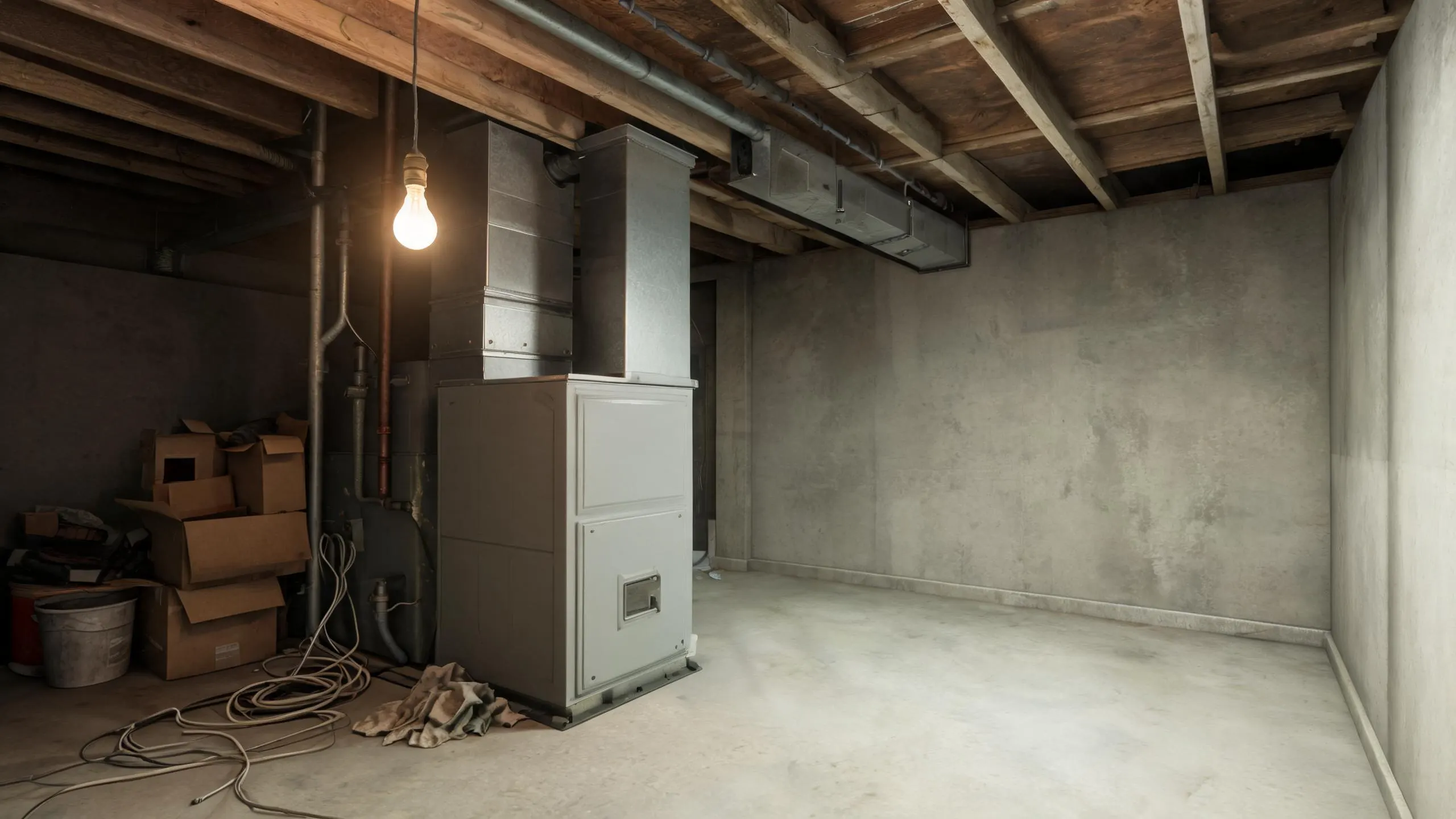
Junction City furnaces work seven months a year
From October through April your furnace is what keeps the house livable, and winter nights here average 21°F. That is a long stretch of hard use, and it is worth putting in a furnace built to handle it.
Any new gas furnace installed today has to reach at least 80 percent AFUE, so a chunk of every dollar of gas goes into the house rather than out the flue. Around half the homes in this area heat with gas, and with 11 winter storms and 92 damaging wind events recorded here over the past ten years, a furnace that starts reliably matters when the weather turns.
- 7 months
- October through April, your furnace is on duty
- 21°F
- the average winter night it heats against
- 50%
- of homes here heat with gas, so most furnaces here burn gas
- 80% AFUE
- the federal minimum any new unit must meet
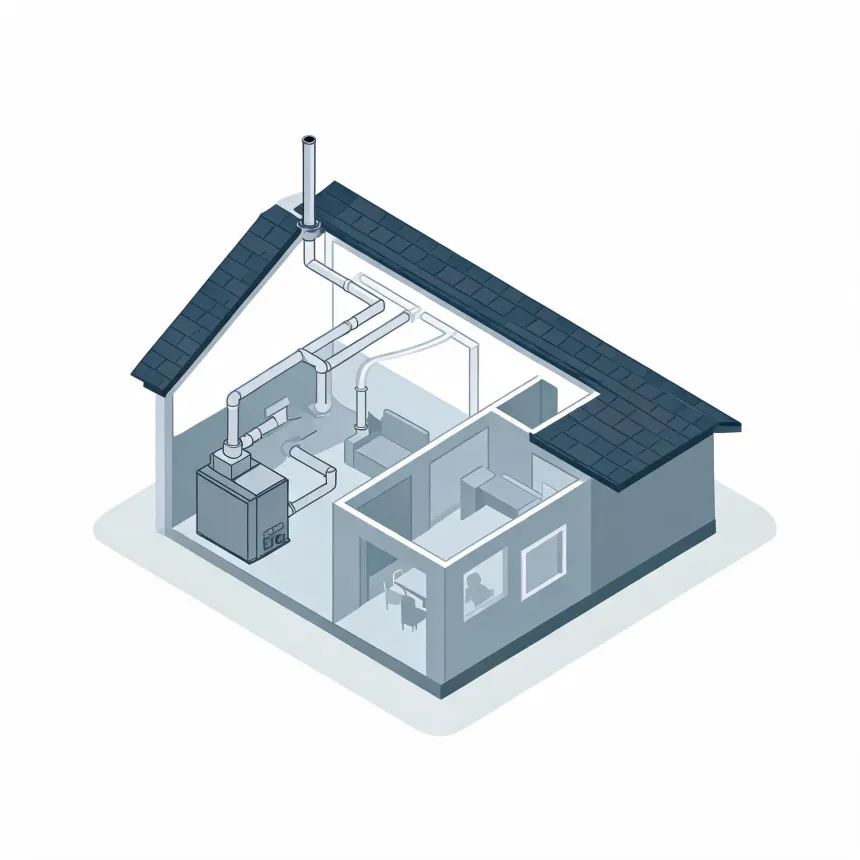
NOAA nClimDiv, 1991–2020 normals

A high-efficiency gas furnace would save about $110 a year to run in Geary County compared with a gas furnace.
Estimates for a typical Geary County home, from EIA household energy data, Kansas fuel prices and NOAA climate normals. Your home will differ.
In Kansas, HVAC licensing for homes is left to the counties and cities.
Geary County does not license HVAC contractors itself, and Kansas does not either, so whether this installer answers to anyone depends on whether the county or a city inside it has set up its own rule. There is no state exam behind the work and no state record to check. What protection exists here comes from the local building office, not from a license.
For a furnace installation, that means the permit and inspection are the safeguard. Most cities and counties require a permit before the furnace goes in and an inspection once it is done, and that inspection is what catches a bad gas connection or a venting mistake before it becomes dangerous. Just over half the homes in Geary County heat with gas, so that check matters here as much as anywhere.
Source: Kansas Office of Revisor of Statutes
- What size furnace does my house need?
- The right size comes from a load calculation, not a rule of thumb based on square footage alone. A contractor works through your insulation, window area, ceiling height and layout to figure out how much heat the house actually loses on a cold night. Get this wrong and you end up with a furnace that short cycles because it's too big, or one that can't keep up on the coldest nights because it's too small. With winter lows here averaging 21°F, that margin matters more than it would somewhere milder.
- How do I know it's time to replace my furnace?
- Watch for longer cycles, uneven heat between rooms, or a furnace that's needed more than one repair in the last couple winters. Furnaces here run seven months a year, October through April, so wear adds up faster than in places with a shorter heating season. If yours is old enough that parts are getting hard to find, or the repair bill starts approaching what a new unit would run, replacement usually makes more sense than another patch job. A contractor can look at the specific unit and tell you which side of that line you're on.
- Is a high-efficiency furnace worth it?
- It depends on how long you plan to stay in the house and how much you're paying now to heat it. Furnaces built since November 2015 already have to hit at least 80 percent AFUE, so the real question is whether it's worth paying more up front for something higher than that baseline. With just over half of homes here heating with gas and a seven month heating season, the fuel savings from a higher-efficiency unit add up faster here than somewhere with a shorter winter. A contractor can run the numbers against your current furnace and your actual usage.