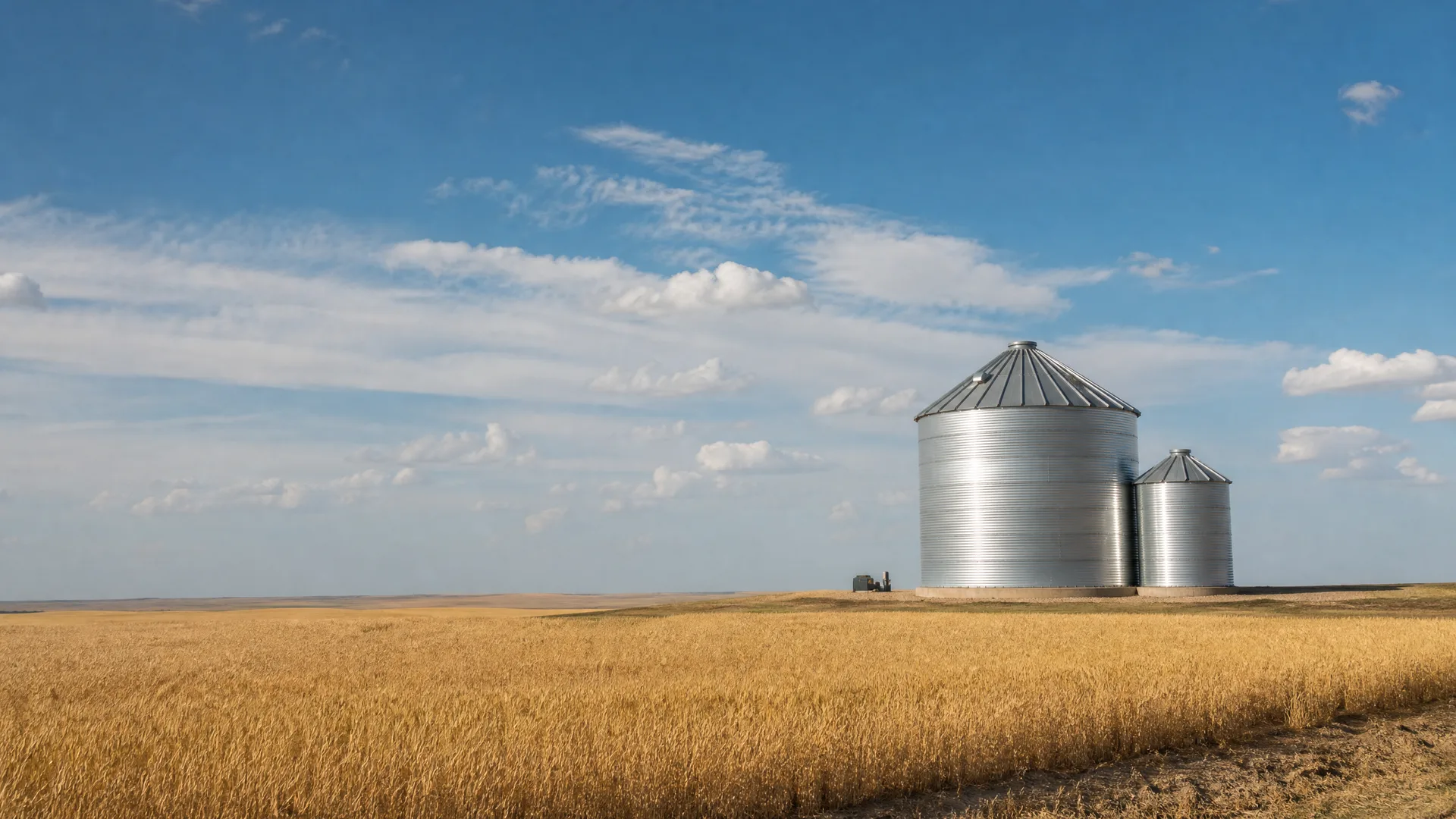
Sized right for a Kansas winter
A furnace sized to the house cycles on, heats the rooms it's supposed to, and shuts off. Ductwork carries the warm air out evenly, and every room reaches the same temperature on the thermostat.

A furnace that can't keep up shows itself in plain ways: rooms that won't get warm, a furnace that seems to run nonstop, and a heating bill that climbs without an explanation. In a Kansas winter, when temperatures drop hard and stay down for days, an undersized furnace gets found out fast. Here's what that looks like and why it happens.
A furnace sized right for your house cycles on and off. It heats the air, shuts off, and kicks back on once the house cools a few degrees. An undersized furnace can't finish that job. It runs long stretches, sometimes without shutting off at all, and the rooms farthest from it, upstairs bedrooms or a back addition, stay noticeably cooler than the rest of the house. You'll also notice the gas bill climbing, since a furnace working flat out all day burns more fuel than one sized to match the house. When a hard cold snap hits Kansas and temperatures stay low for days, a furnace that's too small shows it quickest, because there's no reserve capacity to draw on.





A furnace sized to the house cycles on, heats the rooms it's supposed to, and shuts off. Ductwork carries the warm air out evenly, and every room reaches the same temperature on the thermostat.

An undersized furnace runs long stretches without shutting off, trying to make up ground it never gains. Dust collects faster because the blower rarely rests, and rooms farthest from the furnace stay cold while the gas bill climbs.


A furnace that's too small for the house doesn't fail outright. It just works harder than it should, all the time. Instead of firing up, reaching temperature, and shutting off, it stays at full fire because it never gets ahead of the heat loss. That means the burner has one setting, not a range, so a 10 degree night asks the same of it as a 40 degree one. The strain doesn't spread evenly either. A bonus room over the garage, or any room at the end of a long duct run, feels it first because the air reaching it has already given up heat along the way. Watch the gas valve and igniter too. On a sustained cold stretch, they're cycling open and shut far more than a right sized system would need. If the thermostat says 70 but a probe or a second thermostat in a back bedroom reads 66 for hours on end, that gap is the furnace telling you it's maxed out. Condensation building on the coldest windows in the house is the same story in another form.


Cold air returns to the furnace from rooms through the duct system.
The blower pulls that air across the burner's heat exchanger.
Undersized burners can't raise the air temperature enough on cold days.
The blower pushes out air that's warm but not warm enough.
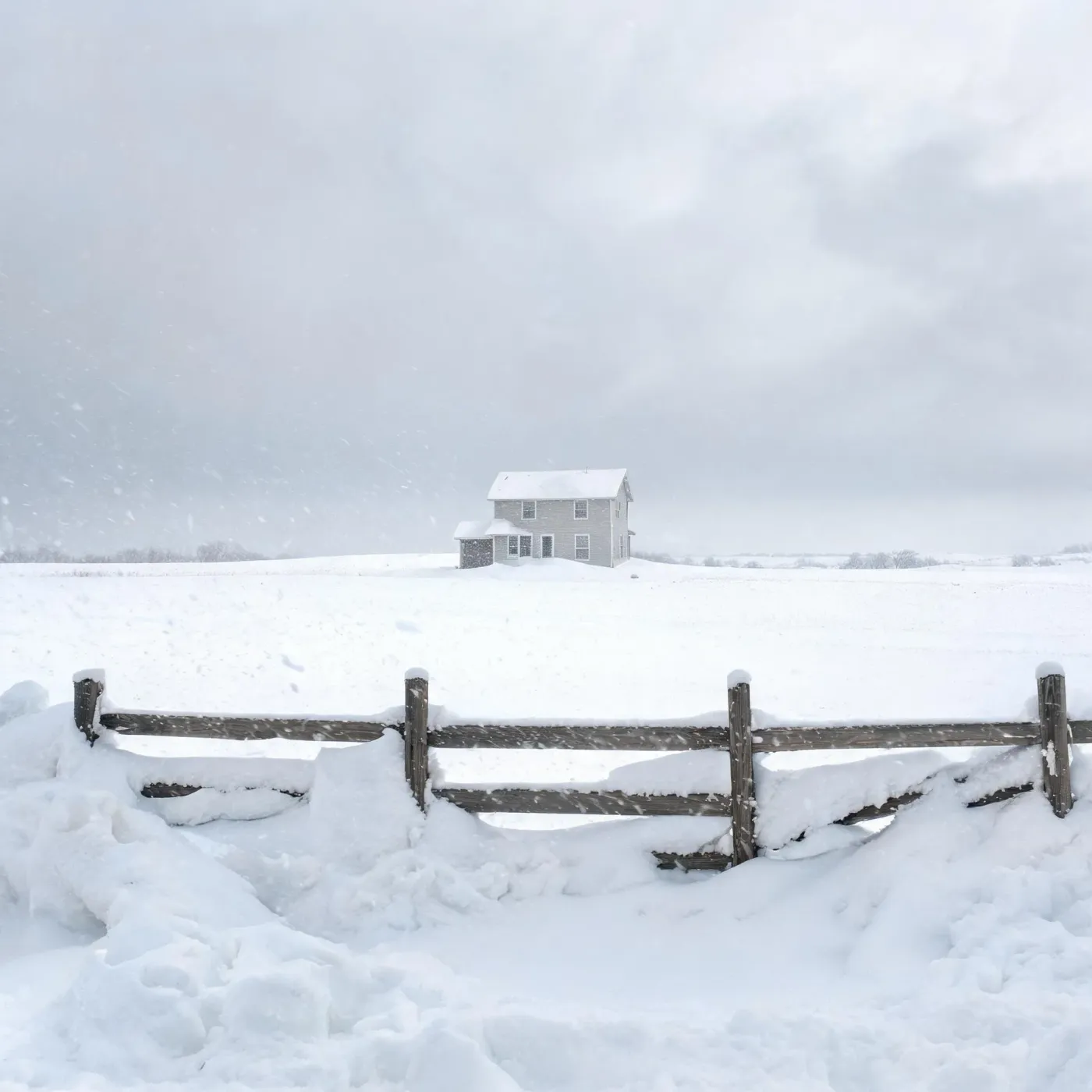
Statewide, winter nights average 23°F, according to NOAA climate data. That's the stretch where an undersized furnace falls behind and stays behind. On a night like that, a furnace built for the house cycles through and keeps the bedrooms even. One that's too small locks into a long burn and still loses ground, so you notice the far rooms cooling off while the thermostat near the furnace reads fine. If that's what you're seeing, send the form once and you're done hunting. No calling around, no repeating the same story to three different contractors, no sorting through quotes on your own. Someone qualified to size a furnace for your house takes it from there.
NOAA nClimDiv 1991-2020 county normals weighted by homes
A single digit night in Kansas finds an undersized furnace fast. By then you've already figured out which rooms stay cold, which vents barely push warm air, and how high the thermostat has to go just to keep the living room bearable. Figuring out whether the fix is a bigger furnace or something else in the system takes someone who can look at the house itself, the ductwork, and what's actually installed now. Sorting through that on your own means calling around for contractors who'll even quote a furnace swap, explaining the cold rooms and the running bill to each one, then sitting with a stack of quotes trying to tell a fair price from a bad one. Sending this request means one contractor looks at your situation instead of five strangers guessing over the phone. That's the part that stops being yours to carry. The furnace still has to get sized and installed, and that takes the time it takes, but finding someone who'll do it right isn't a job you have to keep doing on top of a cold house.

A furnace's heating capacity is rated in BTUs per hour, and that number is set to match a house's square footage and how much heat it loses through walls, windows and the roof. A furnace built for a 1,200 square foot house won't keep up in a 2,200 square foot one, even if both run on the same gas line. Check the rating plate inside the furnace cabinet or the paperwork from when it was installed.

Ductwork is sized to move a certain amount of air for a given furnace. When a furnace is undersized, contractors sometimes find the blower running longer and harder than the ducts were built for, pushing static pressure higher than it should be. That extra strain shows up as a furnace that sounds like it's working harder than it used to, and over years it wears on the blower motor faster than normal use would.
You've probably noticed the thermostat says 70 but the bedroom down the hall doesn't feel like it. Maybe you keep a door shut to the guest room all winter because there's no point heating it. The furnace kicks on and just stays on, especially once it gets into the 20s and below outside, and you've started wondering if that's normal or if something's wrong. The gas bill has crept up two winters running without you changing how you use the house. None of this is you doing something wrong. It's a furnace working harder than it was built to, and left alone, that strain on the system and the uneven heat it's giving you now don't tend to improve on their own.


You keep calling around to find someone who can even look at a sizing problem, explaining the cold rooms again to each new contractor, and comparing quotes on your own.
You describe the problem one time. A licensed Kansas contractor takes it from there, and the work of finding help is off your plate.
23°F is the average overnight low here, but your furnace has to handle the nights well below that too. If it's sized for an average night instead of a cold snap, you'll feel it in the rooms farthest from the furnace first.
NOAA nClimDiv 1991-2020 county normals weighted by homes
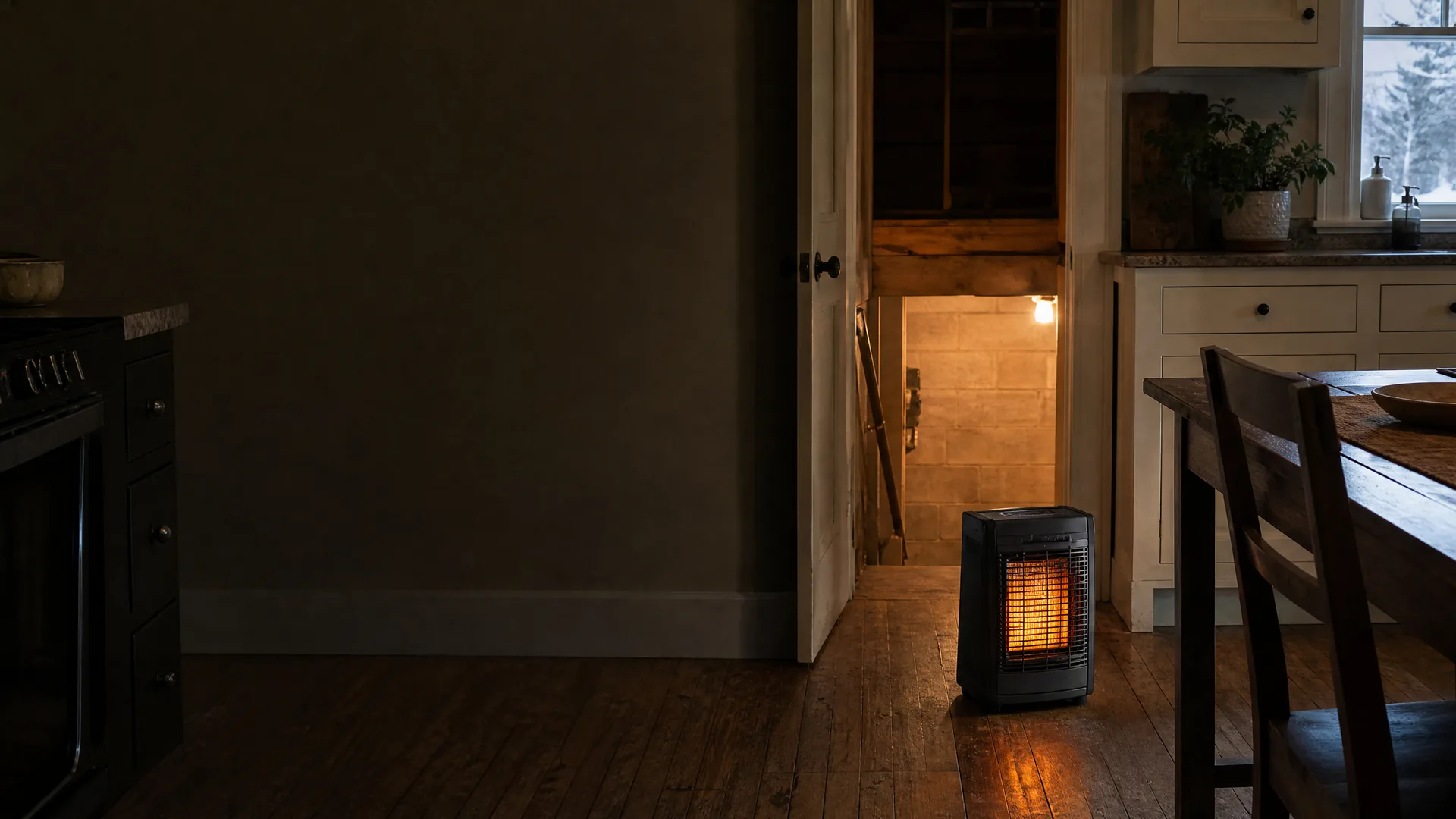
It's just past six and still dark outside. You're in the kitchen waiting on coffee, and the space heater is going by the table because that's the only way this room gets warm before eight. The basement door is open behind it, you left it that way last night so some heat would drift down to the pipes. The furnace has been running almost nonstop since four this morning, you heard it kick on when you got up. The thermostat reads 70. It doesn't feel like 70 here. You can see your breath isn't fogging, but your hands are staying close to the mug anyway, and the cord from the space heater runs across the floor to the one outlet near the table.
A furnace that's too small for your house will tell on itself all winter: rooms that never catch up, a burner that runs flat out on the coldest nights, bills that climb past what the square footage should cost to heat. The fix isn't a bigger thermostat setting or a space heater in the back bedroom. It's a furnace sized to the house, matched in BTUs to what the place actually loses in a Kansas winter. You don't have to figure out on your own who does that kind of sizing work, or call around explaining the cold rooms to one contractor after another, or sit with a stack of quotes trying to guess which one accounts for the whole house and which one doesn't. Send the details once and that part of it is off your plate. What's left is a furnace that cycles on, heats every room the same, and shuts off, winter after winter, including the nights well below the average.
Sending the form costs nothing.
Send this once and you're done calling around, explaining the cold rooms to another contractor, and weighing quotes on your own. The next single digit night shouldn't be the one that tells you your furnace can't keep up.