
What to do when the heat goes out in Kansas

RepairFurnace or heatingKansas
Step 1 of 2

What ZIP code is the job in?

First, check the thermostat is set to heat and the batteries are good, then check the breaker for the furnace hasn't tripped. If the furnace runs gas, look for a pilot light or igniter that isn't lighting, since that's one of the most common reasons heat stops in the middle of a Kansas winter. A dirty filter can also choke airflow until the furnace shuts itself off as a safety measure. If the blower runs but the air isn't warm, or nothing runs at all, the problem is past what you can fix by hand. Most homes in Kansas heat with gas, and a furnace that won't light or keeps shutting off needs a technician to open it up and find the actual cause, whether that's the ignition system, a clogged flue, or a part that's failed outright. Until it's running again, keep the house warm with what you have and get it looked at soon.

A gray furnace with white PVC vent pipes stands beside sheet-metal ductwork in a basement with a smooth concrete floor, exposed wood framing, and plastic sheeting on the walls.

Furnace running normally

A furnace in good shape heats evenly and cycles on and off without strain. The burner lights on the first try, the blower moves air through the ducts, and the exhaust pipe vents outside without resistance. Nothing rattles and no rust shows on the cabinet.


A beige furnace with two access panels stands against a concrete basement wall, with galvanized sheet-metal ductwork, a white PVC pipe, flexible conduit and insulated ducting around it.

Furnace in trouble

Rust on the cabinet, a flue pipe that looks corroded, or gas piping that's cracked or loose all point to a furnace under strain. If it's also short cycling, blowing cool air, or not lighting at all, it needs a look before the next cold snap in Kansas leaves you without heat.

A woman with long wavy brown hair in a grey ribbed sweater sits on a couch indoors, looking toward a window, with a potted palm-like plant and fireplace behind her.
A woman with long brown hair wearing a green V-neck top and beige cardigan sits on a light sofa, looking off to the side, with a dining table, lamp and framed picture in the background.
A woman with long dark hair in a cream knit sweater sits on a beige sofa indoors, looking toward a bright window with a houseplant and framed picture in the background.
A woman with long dark hair in a green knit sweater sits on a couch indoors, smiling and looking toward a window with a blurred room behind her.

Why the igniter fails first

Most gas furnaces now use a hot surface igniter instead of a standing pilot. It is a thin strip that glows hot enough to light the burners, and it takes that heat thousands of times over a winter. Eventually it cracks, the same way an old light bulb filament gives out. When it fails, the furnace runs through its startup cycle, the blower may even kick on, but the burners never light. A furnace that tries and stops short, more than once, usually points straight at the igniter rather than anything electrical.

What the limit switch protects

A furnace has a limit switch that shuts the burners off if the air inside the cabinet gets too hot. It is there so the heat exchanger does not crack from running too hot too long. A dirty filter or a blocked vent can trigger it, since both cut down how much air moves past the heat exchanger to carry that heat away. When this switch trips, the furnace often starts, runs briefly, then shuts off on its own before the house warms up, which reads very differently from a furnace that never starts at all.

An older woman with gray hair in a bun and glasses, wearing a beige knit sweater, smiles while looking to the side in a warmly lit kitchen, with a loaf of bread on the counter in the foreground and a snowy scene outside the window.
A woman with her hair in a bun holds a sleeping young child against her chest, both wrapped in a textured beige knit blanket on a sofa in a dimly lit room with a lamp, framed picture, and bookshelf behind them.
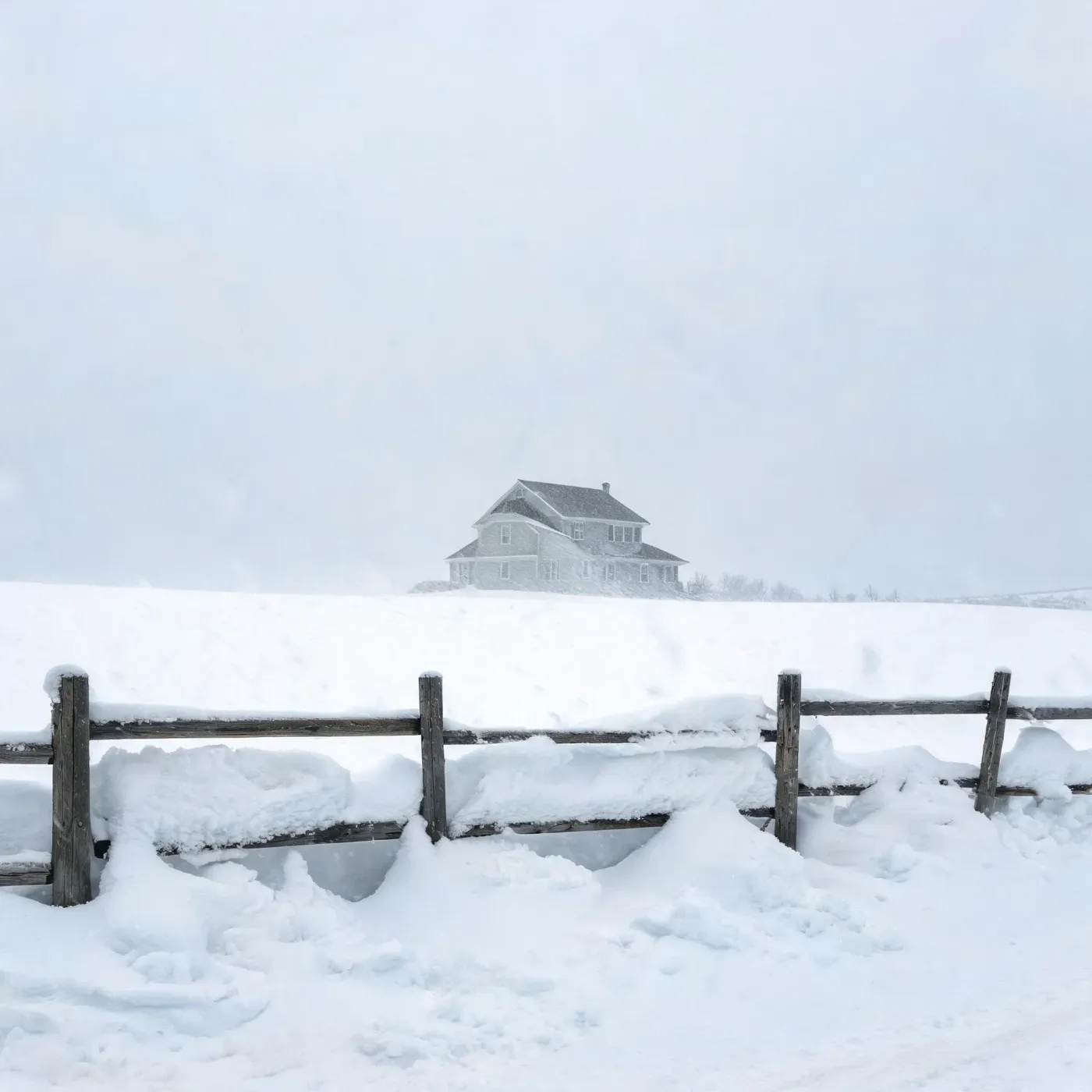
A two-story gabled house stands on a snow-covered rise under a pale overcast sky, with a snow-laden wooden rail fence crossing the foreground.

Winter nights average 23°F across Kansas, according to NOAA climate data. At that temperature your furnace is running long stretches to keep up, not just short bursts in the morning and evening. If something's already weak, a cracked igniter, a failing blower motor, a clogged vent, this is when it gives out, usually overnight when the temperature drop is sharpest. You'll notice it fast: the air coming from the vents turns cool, or the furnace keeps clicking without lighting. A house that holds heat fine in October can lose it quickly on a night this cold.

NOAA nClimDiv 1991-2020 county normals weighted by homes

A dark high-efficiency furnace on a concrete pad in a basement, connected to galvanized ductwork, white PVC vent pipes, and copper and black gas piping, with concrete walls and wood framing nearby.
A working furnace lights the burner right away and pushes steady heat through the ducts without the blower straining.
A gas furnace with a louvered upper panel stands on a concrete pad in a basement, flanked by sheet-metal ductwork, white PVC and metal pipes, and insulated columns.
An older furnace with a cracked igniter or a failing inducer motor can leave the house cold on a night near 23°F.
A dark interior hallway with a dim window at the end, a wooden floor, a stair railing on the right, and a bench or rug in the foreground.

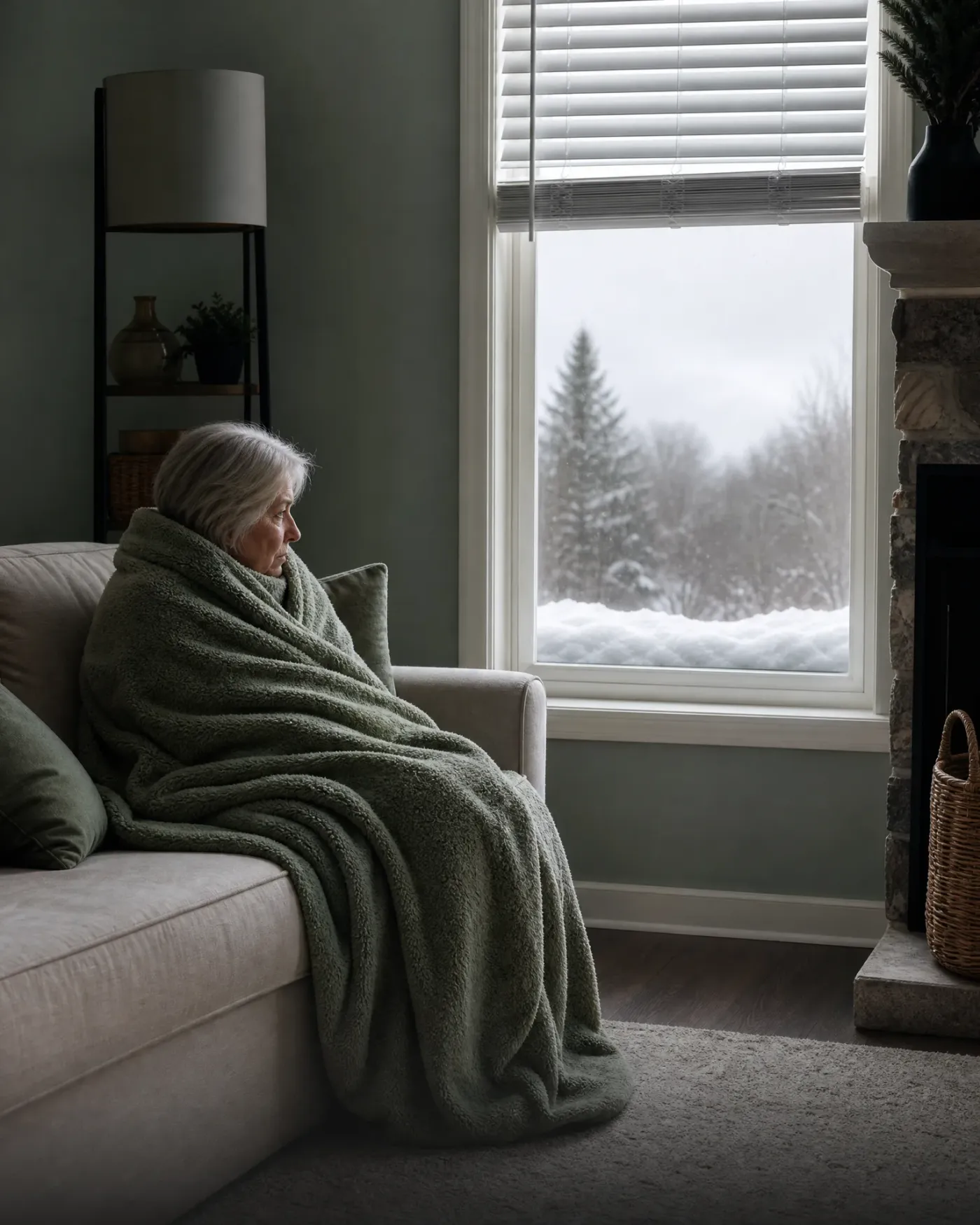
2 a.m. and you're awake because the house feels wrong. You go to the hallway and hold your hand over the vent. Nothing. The floor register is cold under your sock feet. Outside the window at the end of the hall, frost has crept up the glass, and the yard light shows a thin blue on the grass. You check the thermostat again like it'll say something different. It doesn't. Downstairs, the kids' doors are shut. You stand there doing the math on how long the house holds heat before it really matters, and whether this can wait until morning or can't.

Get the right pro for your furnace

Describe what your furnace is doing once, in one form.

You're not committing to anything by asking.

Living with no heat overnight

A furnace that quits at 2 a.m. doesn't wait for a convenient hour. Kids and older adults feel a cold house fastest, so a lot of people put on another blanket and figure it can wait until morning. By the time the sun's up, the house has sat at whatever the outside temperature allows all night, and anyone still asleep in it has been cold for hours without knowing. A space heater in one room can hold off the worst of it, but it won't warm the house, and running several of them on one circuit can trip a breaker.

Calling a repair person yourself

Without help, finding someone means searching for furnace repair companies near you, calling until someone picks up at 2 a.m. or waiting until a normal business hour to start, then explaining the same symptoms to each one: the cold air, the breaker, whether the pilot or igniter is lighting. Some won't serve your area or won't come out overnight. Then there's comparing whoever does answer, with no easy way to know who's actually available tonight versus who's booked for a week. Matching with a contractor through this page skips that part. You describe what's happening once, and a contractor who covers your area and takes emergency calls reaches out to you directly.

Winter nights average 23°F statewide

At 23°F, a furnace that's slipping won't just run longer, it can lose the race entirely. A cracked igniter or a weak blower motor that limped along in milder weather can quit outright on a night this cold.

NOAA nClimDiv 1991-2020 county normals weighted by homes

Waiting until morning to call someone. The house stays cold all night, everyone sleeps in coats and extra blankets, and you're left checking on kids every hour to make sure they're warm enough.

Getting matched with a contractor tonight. You answer a few questions once, instead of calling around and explaining the same problem to every number you find, and someone who services furnaces reaches out to you directly.

An older beige furnace with a louvered vent panel stands on a concrete basement floor beside galvanized sheet-metal ductwork, a metal flue pipe and vertical pipes along a concrete wall.
Before you get your furnace repair
A beige high-efficiency furnace with white PVC vent pipes stands beside galvanized sheet-metal ductwork in a basement with a concrete floor, exposed wood studs, and metal piping along the wall.
After you get your furnace repair

When the heat goes out

  • A cold house at 2 a.m. almost always traces back to the thermostat, the breaker, or the igniter, in that order.
  • Furnaces built to run all winter in Kansas can still fail on the coldest nights if a part was already weak.
  • A furnace that lights and cycles normally one week can quit outright once nights drop near 23°F.
  • Checking the basics yourself takes a few minutes and rules out the simplest causes before anyone else gets involved.
  • Finding a contractor at 2 a.m. usually means calling around and repeating the same explanation to whoever picks up.
  • Getting matched with someone who can come out skips the search and the back and forth entirely.

Start with the thermostat, the breaker, and the igniter. Most cold houses at 2 a.m. trace back to one of those three. A furnace that handled every night this winter without trouble can still lose to a night near 23°F if something inside it was already worn down. That's how it goes with a cracked igniter or a blower motor losing strength. It holds up fine in milder weather, then the coldest night of the year finds the weak spot and the furnace quits outright.

Checking the simple things yourself costs you a few minutes and nothing else. If the thermostat is set right, the breaker's not tripped, and the burner still won't light, the problem is past what you can fix standing in the hallway at 2 a.m.

That's usually where the night gets harder. Calling around at that hour means waking people up, getting voicemail, explaining the same cold house and the same dead vent to whoever finally answers, then doing it again with the next name on the list. Getting matched with a contractor instead means you answer a few questions once and someone who can come out gets in touch with you. The house is still cold while you wait either way. What changes is whether you spend that time searching or sitting with your kids under another blanket.

Sunlight falls across a beige upholstered sofa with a textured woven cushion and a chunky knit throw, beside a dark wood cabinet holding a ceramic vase with green leafy branches, near a white-framed window.
A sunlit corner of a room with a wooden side table holding a ceramic vase of green foliage and a wooden bowl, beside a light upholstered sofa with a knit throw and rust-colored pillow, with window shadows cast on a beige wall.
A sunlit room corner with beige walls, a white-framed window with sheer cream curtain, wood floor with a light rug, and a woven basket holding a knit blanket.
A beige ceramic vase holding a leafy green branch sits on a wooden cabinet in a corner, with sunlight through a sheer curtain casting leaf shadows on the wall.
A grey upholstered sofa with a rust-orange velvet cushion and a textured throw sits beside a window with linen curtains, next to a wooden side table holding a pale ceramic vase of olive branches.

A pro who works on furnaces

Describe your furnace job once, to one pro.

Find a pro near me

It costs nothing to send, and you don't have to hire anyone.