







Signs your air ducts need cleaning in Kansas

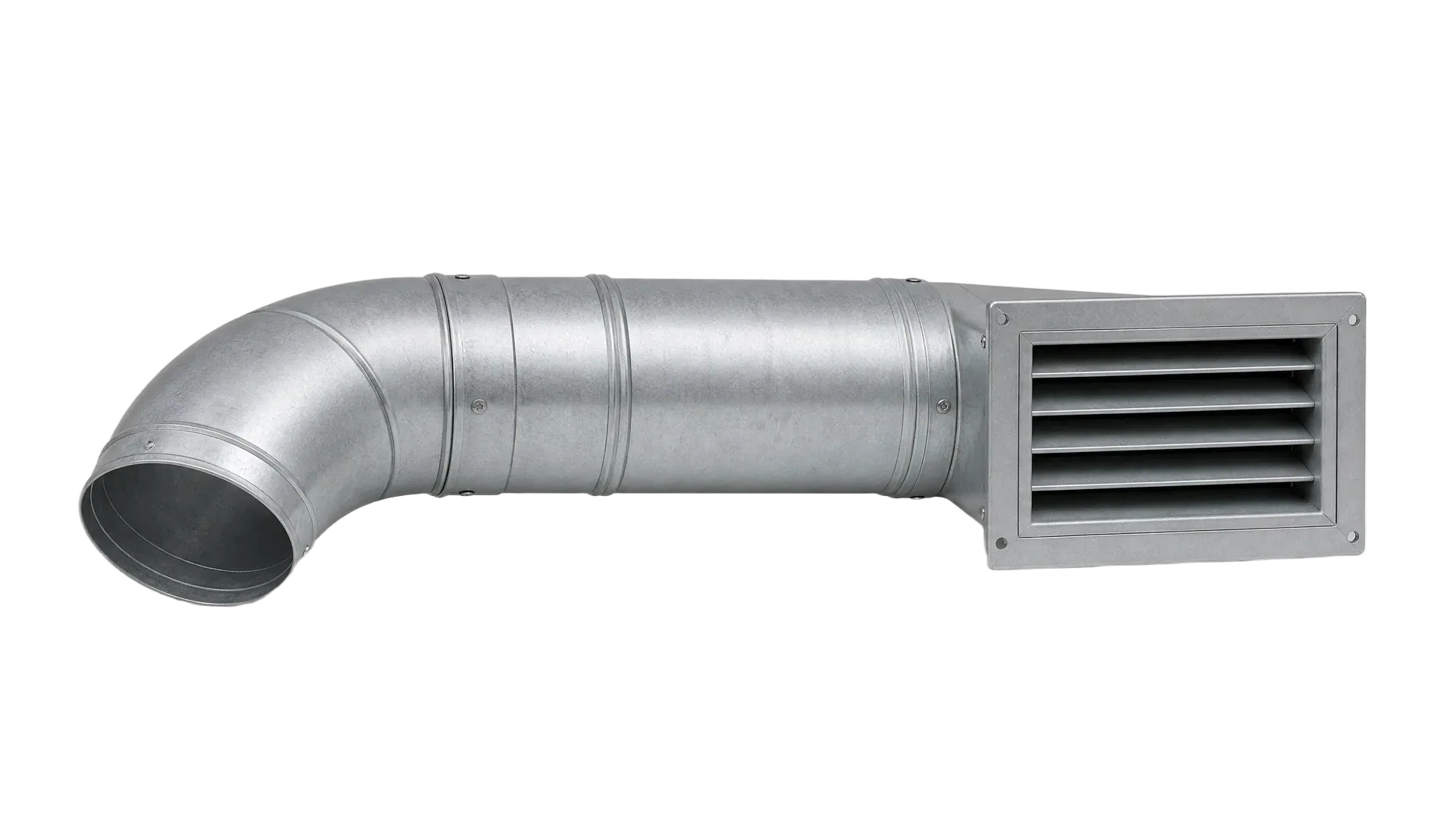
A galvanized metal round duct with a 90-degree elbow connected to a rectangular louvered vent grille, shown against a plain gray background.
Find my pro

Dust that settles back on furniture a day after you clean, musty air when the furnace or AC kicks on, and rooms that never seem to get as warm or cool as the rest of the house are the clearest signs your ducts need cleaning. In Kansas, summers get sticky enough that the AC runs long hours pulling humid air through the system, and that moisture gives dust and debris inside the ducts somewhere to cling and build up. Come winter, the gas furnace most homes here run pushes that same buildup through the house every time it cycles on. You might also notice more sneezing or stuffiness indoors than outside, or see dust blowing visibly from the vents when air first kicks on. None of this means the ducts are unsafe, but it does mean the system is working harder than it should to move air through a dirty path, and the house is holding onto dust it should be clearing out.

A smiling gray-haired man in a dark wool coat with snow flecks stands in a dimly lit home entryway, with a lit table lamp, potted plant, framed pictures and a living room visible behind him.
An older man with gray hair and a beard, wearing a snow-dusted dark coat and knit scarf, stands smiling in a dimly lit house entry with a lit lamp, mirror, and a living room with snow visible through the window behind him.
An older man with gray hair and a beard, wearing a dark snow-dusted coat and plaid scarf, stands smiling in a warmly lit hallway with a lamp, side table and glass-paned doors behind him.
An older man with gray hair and a beard, wearing a dark coat dusted with snow, stands in a home entryway with a lit lamp, a staircase railing, and a living room with large windows behind him.

The duct itself is just sheet metal or flex tubing, and it has no way to clean itself. Every time the blower runs, air moves across whatever has settled on the inside walls and carries some of it back into the room. That's why dusting the furniture does nothing for the problem. A musty smell when the AC first kicks on points to moisture sitting near the coil or inside the duct run, somewhere a filter never reaches. Dark rings around a vent grille aren't surface dust. They show what's built up just inside the opening, which is a sign there's more of it further back. If a register is pushing weak air and the filter was changed recently, the duct itself may have narrowed from buildup. Attics and crawlspaces give mice and insects a way into the duct system, and what they leave behind sits there until someone cleans it out. Drywall work and remodeling send fine dust straight into the nearest return, and that kind of dust packs into the duct in a way a filter change doesn't touch.

What's Actually Happening Inside the Duct

  • Dust and pet dander settle inside the ductwork and get pulled loose every time the blower kicks on, which is why rooms re-dust so fast.
  • A musty smell when the AC first starts usually means moisture sitting in the duct or around the coil, not a dirty filter.
  • Vents with visible dust rings or dark streaks around the grille show buildup inside the duct, not just dust in the room.
  • Registers that blow weak air even with a new filter installed often point to buildup narrowing the duct itself.
  • Rodents or insects getting into the attic or crawlspace can leave debris and droppings inside the duct run that a filter never catches.
  • A home that had recent remodeling or drywall work often has fine dust packed into the ducts that normal filter changes do not remove.
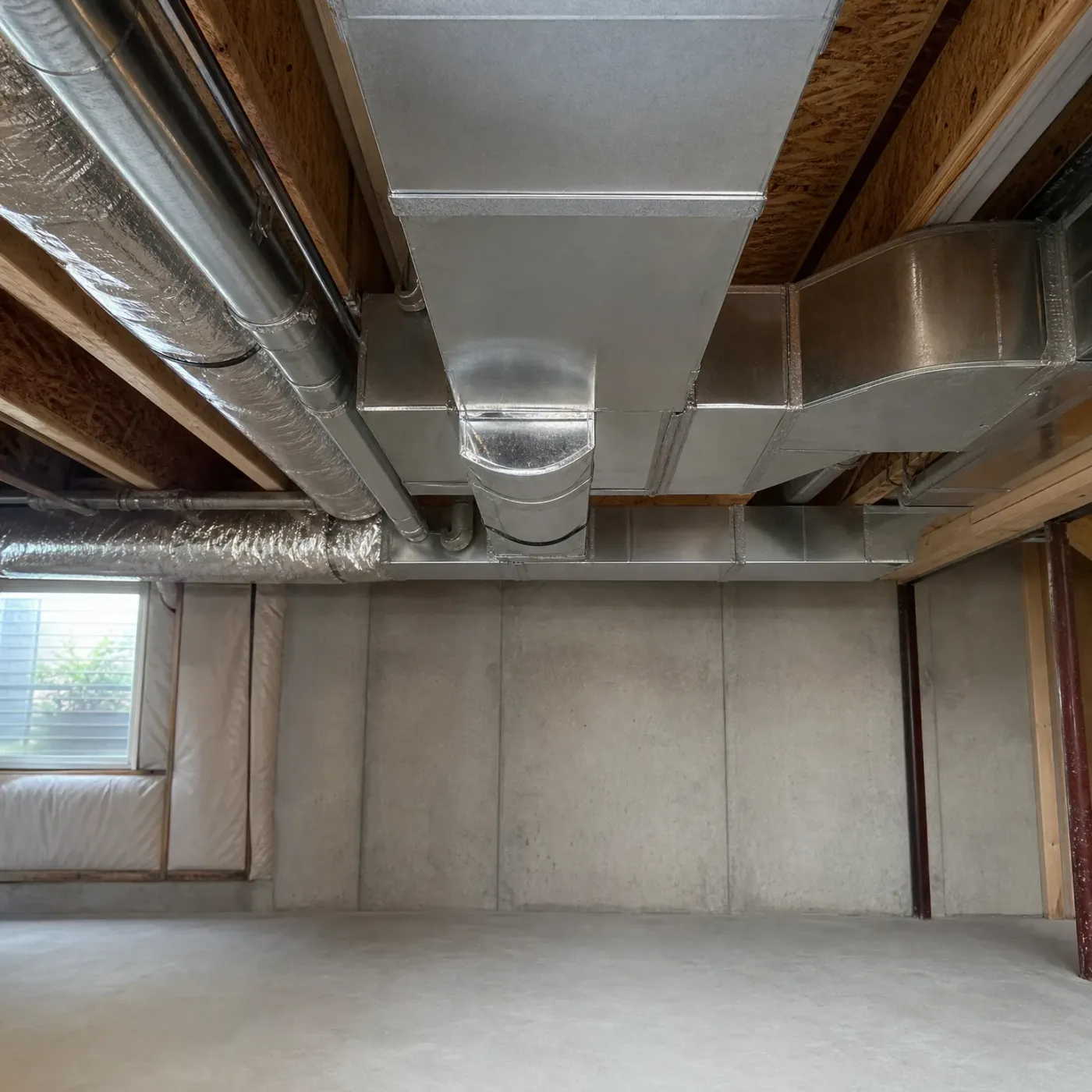
Unfinished basement with galvanized sheet-metal ductwork and pipes beneath wood joists, a gray furnace unit at left, insulated plastic-covered walls over a concrete foundation, and a bare concrete floor.
Clean metal ductwork like this moves air without adding anything to it, so dust settles at its normal rate and the furnace isn't fighting anything.
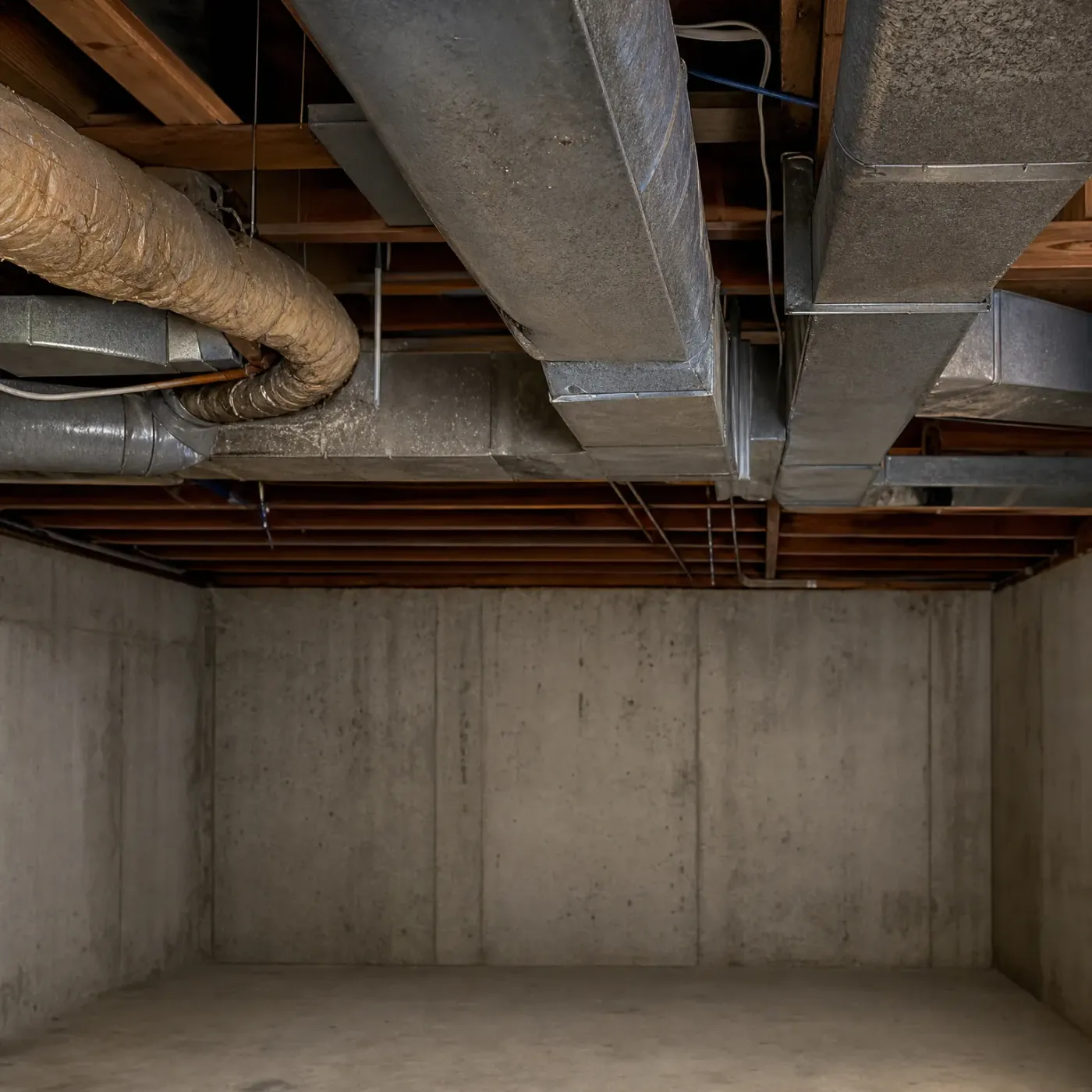
Empty concrete-walled basement room with galvanized rectangular and round HVAC ducts and pipes running along the exposed wood-joist ceiling.
Ductwork carrying years of dust and debris feeds it straight back into the rooms every time the blower runs, which is what a duct cleaning addresses.
  1. Dust and dander collect on the inside walls of the ducts

  2. The blower kicks on and vibration shakes loose what settled

  3. Loosened dust rides the airflow straight into every room

  4. A cleaning crew runs brushes and a vacuum through the full system

Clean Ducts or Dirty Ducts

Ducts Likely Clean

  • Rooms heat and cool evenly, with no single room lagging behind the rest of the house.
  • Dust on furniture and shelves builds up at the normal, slow pace between regular cleaning.
  • The air from the vents doesn't carry a musty or stale smell when the furnace or AC first kicks on.
  • Anyone in the house with allergies isn't seeing symptoms get worse indoors.
  • The filter still gets dirty on a predictable schedule rather than clogging early.

Ducts Likely Dirty

  • Furniture and floors re-dust within a day or two of cleaning, even in rooms kept shut up.
  • A musty smell comes through the vents when the system starts, especially in summer when the AC is running most.
  • Some rooms stay noticeably warmer or cooler than the rest of the house no matter what the thermostat says.
  • Vent covers show a visible buildup of dust or dark residue around the edges.
  • The furnace filter needs replacing more often than it used to.
  • Pet dander or dust seems to circulate no matter how often the floors get vacuumed.
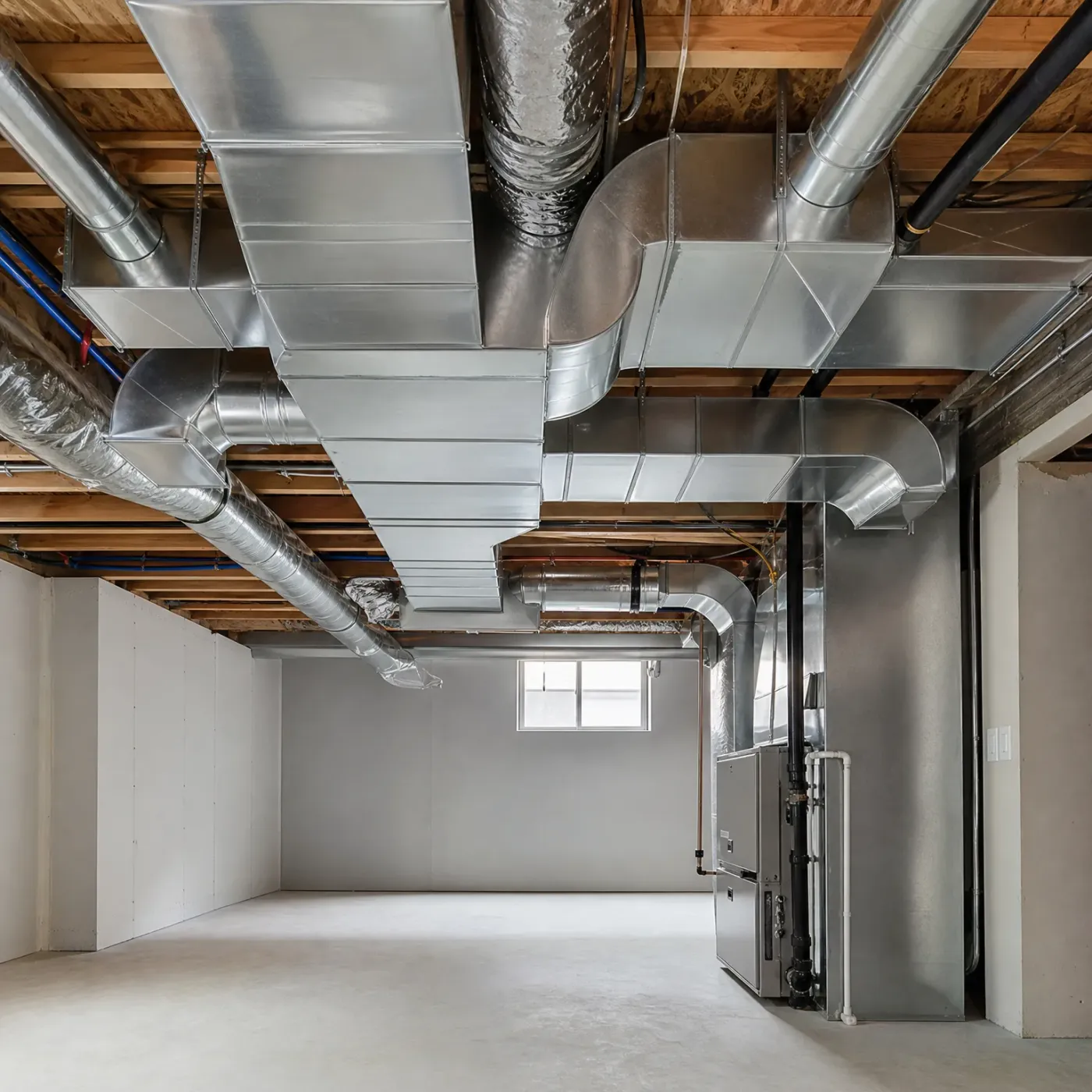
Empty basement room with bare concrete walls and floor, with exposed wooden joists, sheet-metal HVAC ducts, an insulated flexible duct, and pipes running across the ceiling.
Before you get your ductwork cleaning
Empty unfinished basement with bare concrete walls and floor, showing galvanized sheet metal ductwork, insulated flexible duct, and pipes running along the wood-framed ceiling, with a small window at left.
After you get your ductwork cleaning

A duct system pro near you

One form replaces the calls you'd make to find a duct system pro.

There's no charge for the request.

What a dirty filter won't fix

A filter catches what passes through it on the way back to the furnace, but it does nothing for the dust already stuck to the inside walls of the duct runs themselves. Swapping filters on schedule is worth doing, and it will not touch buildup that formed over years in the metal. If you've already changed the filter and the dust on your furniture or the musty smell hasn't let up, the problem is sitting further back in the system, in ductwork a filter never reaches.
Why some rooms run behind

Dust and debris narrow the inside of a duct the way buildup narrows a pipe, leaving less room for air to move through. A run feeding a back bedroom with a long stretch of buildup delivers less air than a short, clean run to the room next to the furnace. That's often why one room in a Kansas house lags several degrees behind the rest in both July heat and January cold, while the thermostat reads like everything is working the way it should.

Power costs 14.44 cents per kilowatt-hour statewide

At 14.44 cents a kilowatt-hour, a blower pushing air through ducts coated in dust works harder than one running clean, and that shows up on your bill before you ever smell it in a room. A system fighting buildup just costs more to run every month it goes uncleaned.

EIA-861 2025 statewide residential average

Unfinished basement with exposed wood joists, galvanized sheet-metal ductwork, insulated flex ducts, piping, a small window, and a furnace or air handler against a gray wall.

Ductwork running clean

This is what a clean system looks like, metal runs and flex duct overhead, all tied into the furnace without any buildup dragging on the airflow. Air moves through at the rate it was designed for, so the blower isn't straining and nothing gets dumped back into your rooms.

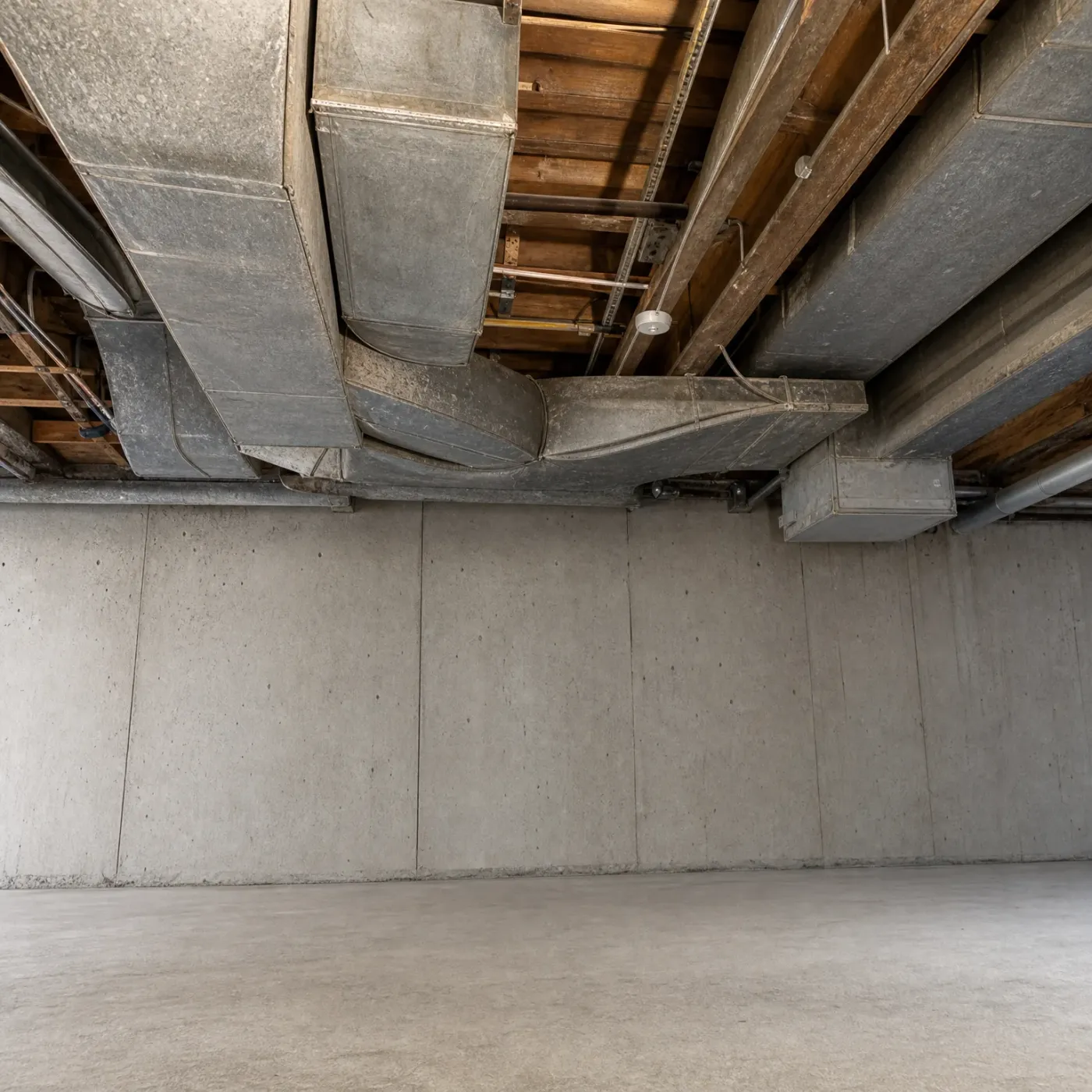
Empty basement room with bare concrete walls and floor, and an exposed ceiling of wooden joists with large galvanized sheet-metal ductwork and pipes.

Ductwork overdue for cleaning

Runs like this have been collecting dust and debris for years, and every cycle of the blower stirs more of it loose. That's what ends up back on your furniture and in the air your family breathes, and why rooms it feeds never seem to hold their temperature.

A woman wrapped in a thick fleece blanket sits on a sofa holding an open book, beside a lit table lamp and a frost-covered dark window.
A woman in a cream knit sweater sits in an armchair indoors, eyes closed and smiling, beside a window showing yellow and orange autumn foliage, with a mug on a wooden side table and shelves holding vases behind her.

What the Signs Add Up To

  • Dust that returns fast, musty air at startup, and rooms that lag behind the rest of the house point to the same cause inside the ducts.
  • A new filter helps the air passing through it but does nothing for dust already stuck to the duct walls.
  • Clean ducts let the blower move air the way it was built to, without fighting buildup that drives up the bill.
  • A cleaning crew runs brushes and a vacuum through the full system to clear what's settled on the inside walls.
  • Sorting through contractors, calling around, and repeating the same explanation to each one is the part you can skip.
  • Getting matched with a contractor who knows duct systems in Kansas homes means one call instead of several.

Dust back on the shelf within a day, a musty smell when the furnace or AC starts, a room that never quite catches up to the rest of the house. Different signs, same cause: buildup sitting inside the duct runs, getting stirred loose every time the blower kicks on. A new filter won't touch it, because the problem is already past the filter, stuck to walls the air moves through on every cycle. Left alone, it means a blower working harder than it should, a bill that creeps up before you can smell why, and rooms that stay uneven no matter how you set the thermostat.

None of that gets fixed by guessing, and it doesn't get fixed by swapping filters on a tighter schedule either. It takes a crew with brushes and a vacuum rated for the full system, not just the registers you can reach by hand. Finding that crew is usually the part that eats the afternoon, calling around, explaining the same three signs to every contractor who picks up, then sitting with quotes that don't line up because nobody looked at the same thing. That's the part that goes away here. One match, with a contractor who already works on duct systems in Kansas homes, summers and all, and the explaining happens once. What's true about your ducts right now doesn't change. What changes is how much of your day it costs to get someone out to look at them.

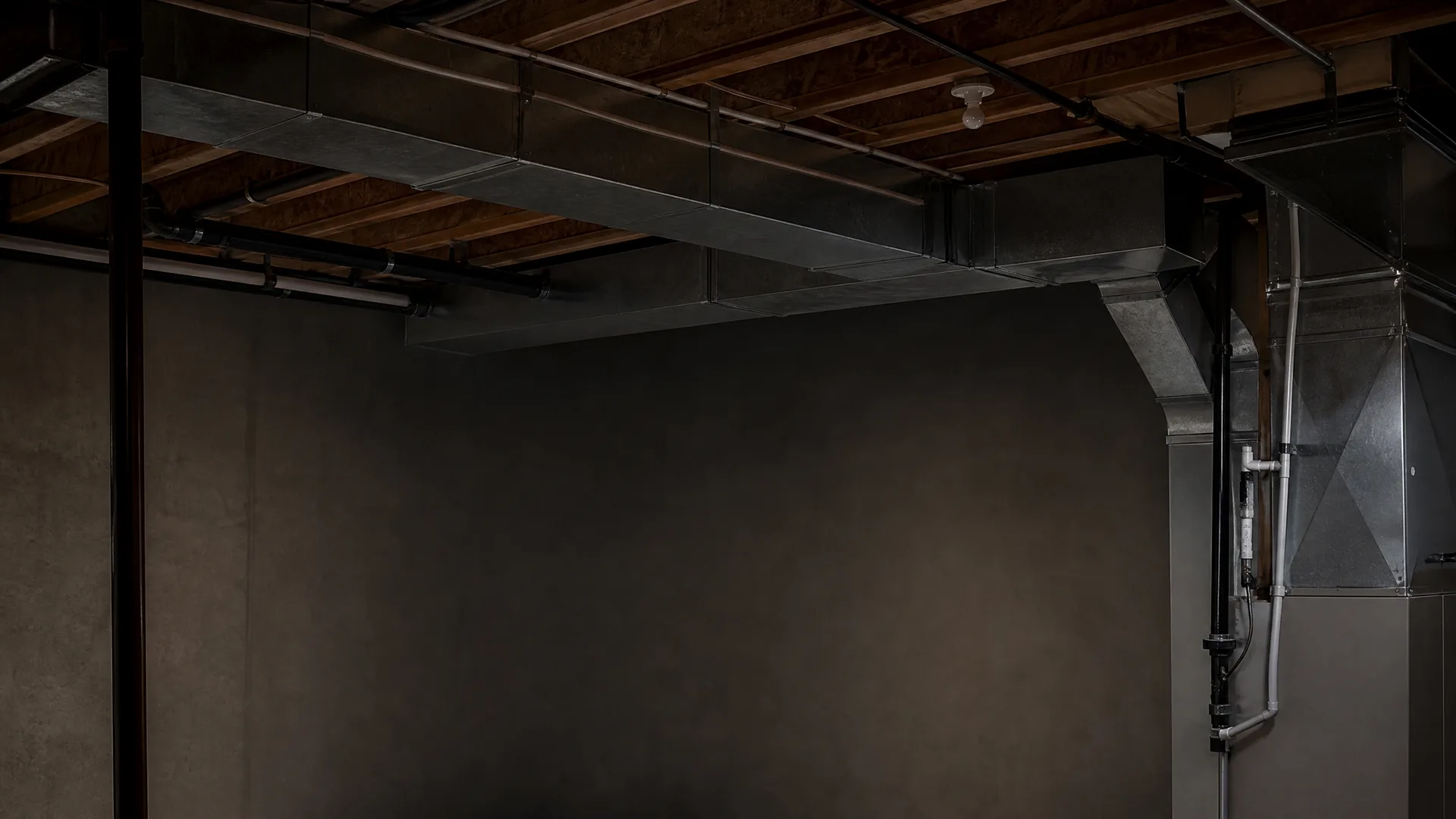
Dim interior with a dark gray wall, exposed wood joist ceiling, sheet-metal ductwork, conduit, pipes and a sprinkler head.

A local pro for your ductwork cleaning

Skip calling around for someone who cleans ducts.

Duct and vent cleaningDucts or ventsKansas
Step 1 of 2

What ZIP code is the job in?