
HVAC Installation in Arkansas City, KS
A new system here will heat from October through April and cool from May through September every year. Tell us about the house, and a licensed contractor who covers Cowley County will get in touch.
Tell us about the job
It takes about a minute.
A system that has to work most of the year here
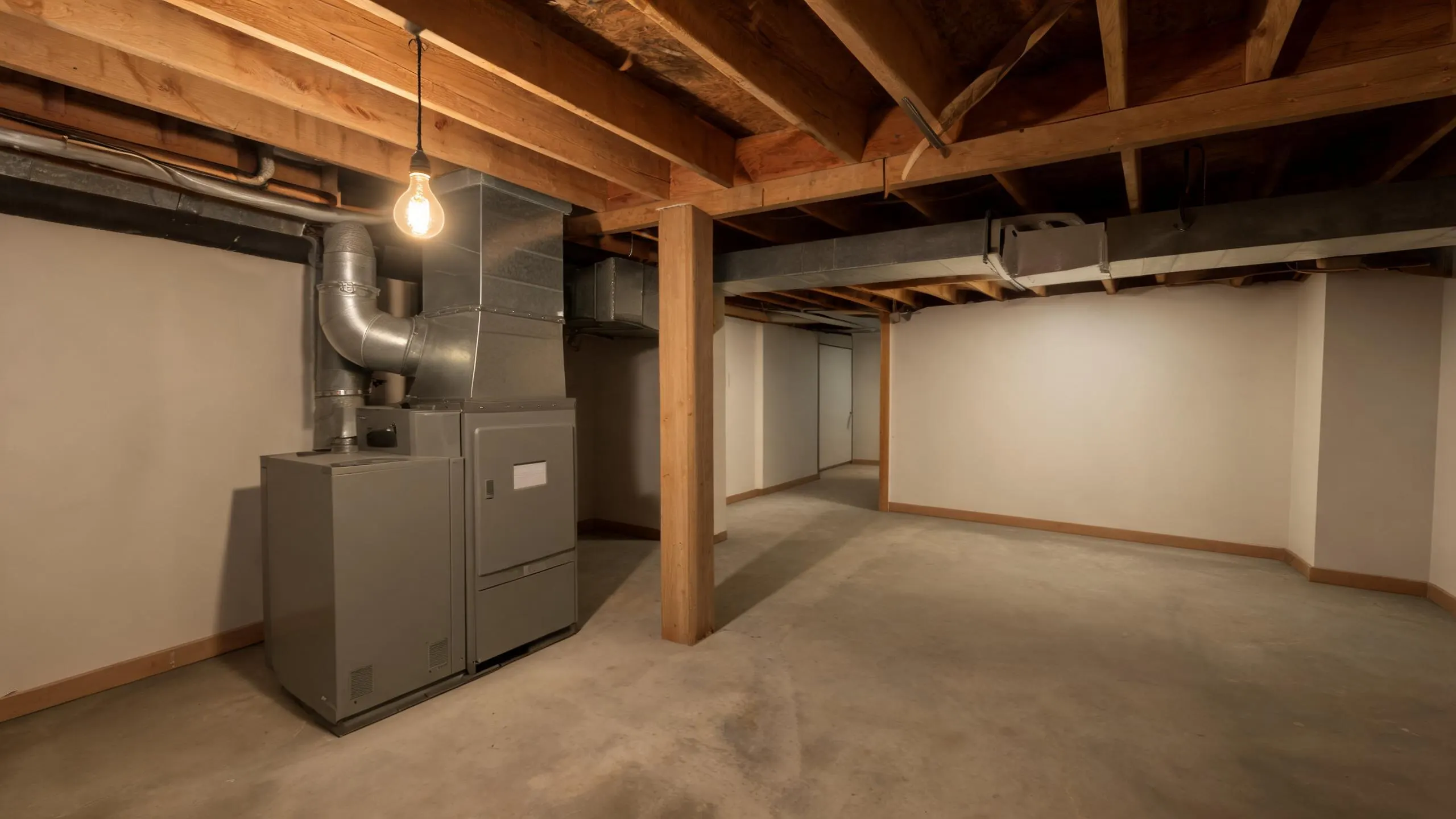
Cowley County asks for heat from October through April and cooling from May through September. That is 12 months a year with no real break, and a new system has to be sized right for both jobs, not just one. Winter nights average 25°F, cold enough that a furnace or heat pump has to hold up night after night. Summer afternoons average 89°F, so the cooling side is working just as hard in its own season.
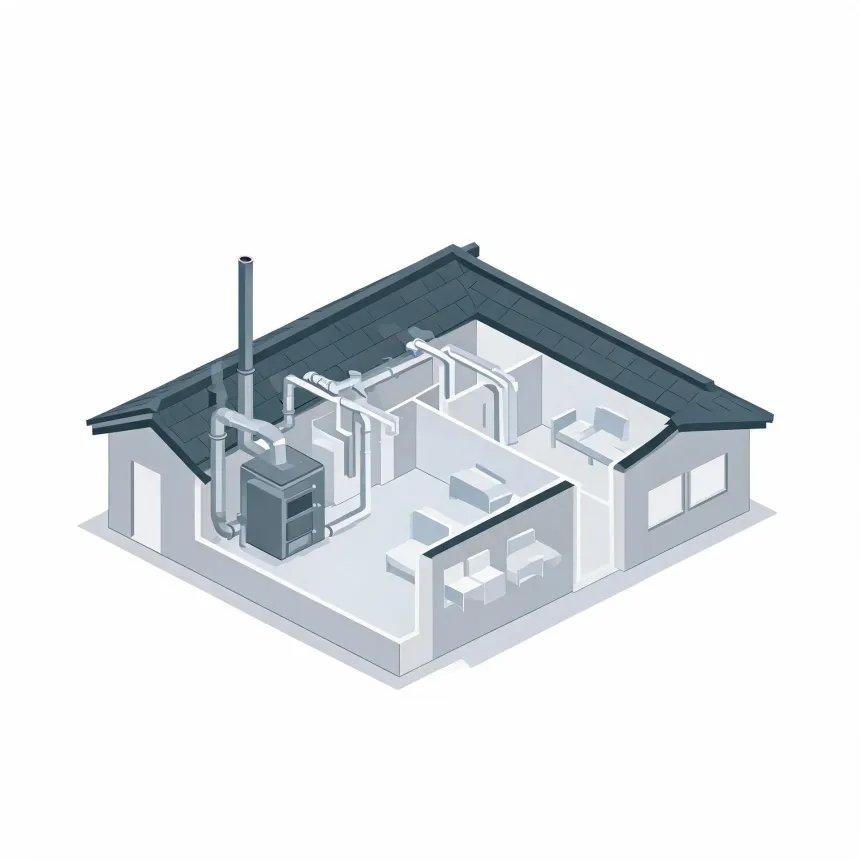
Most homes here heat with gas, and whatever runs alongside it has to be matched to the house, not just swapped in. Wind is the bigger risk to the equipment itself. The area has logged 123 damaging wind events over the past ten years against 8 winter storms, and installation should account for that, from how the outdoor unit is anchored to what happens to it in a power interruption.
- 7 months
- October through April, your system heats
- 5 months
- May through September, it cools
- 25°F
- the average winter night it heats against
- 89°F
- the average summer afternoon it cools against
NOAA nClimDiv, 1991–2020 normals
In Kansas, HVAC licensing for homes is left to the counties and cities.
Cowley County sets its own rule rather than following a state license, so what applies to this job depends on the city or county office that covers the address. Some have a licensing or registration requirement for HVAC contractors, some do not, and there is no state record to check either way.
What carries the weight here is the permit. Installing a new furnace, air conditioner or heat pump needs a permit from the local building office in most cities and counties, and the finished work gets inspected before it is signed off. That inspection is what checks the gas connections and the wiring, the parts of the job where a mistake is dangerous rather than just inconvenient.
Source: Kansas Office of Revisor of Statutes
- When should I replace my HVAC system?
- Replace it when repairs stop making sense, either because the system can't keep up anymore or because you're paying for repair after repair on equipment near the end of its life. A furnace or air conditioner that breaks down more than once a season is telling you something. Winters here average 25°F from December through February, so a furnace that struggles to keep the house warm in that cold is worth having looked at soon rather than waiting for it to fail outright. If you're not sure whether a repair is worth it, a contractor can look at the whole system and give you a straight answer.
- Should I replace my furnace and air conditioner at the same time?
- If both are old, replacing them together is usually the better move. A furnace and air conditioner installed at different times often don't match well, and mismatched equipment can run less efficiently or wear out sooner than a matched set. Homes here need heat from October through April and cooling from May through September, so both sides of the system are working for most of the year. If only one has failed and the other still has good life left, a contractor can tell you whether it makes sense to replace just the one now or plan for both.
- What happens during an HVAC installation?
- A contractor removes the old furnace, air conditioner or heat pump and sets the new equipment in its place, then connects it to the ductwork, the gas line or electrical circuit, and the condensate drain. They check the refrigerant lines, test the thermostat, and run the system through a full cycle to confirm it heats and cools the way it should. In most cities and counties here, this work needs a permit from the local building office and an inspection once it's done. A contractor pulling the permit will handle scheduling that inspection as part of the job.