
How often to clean a dryer vent in Kansas

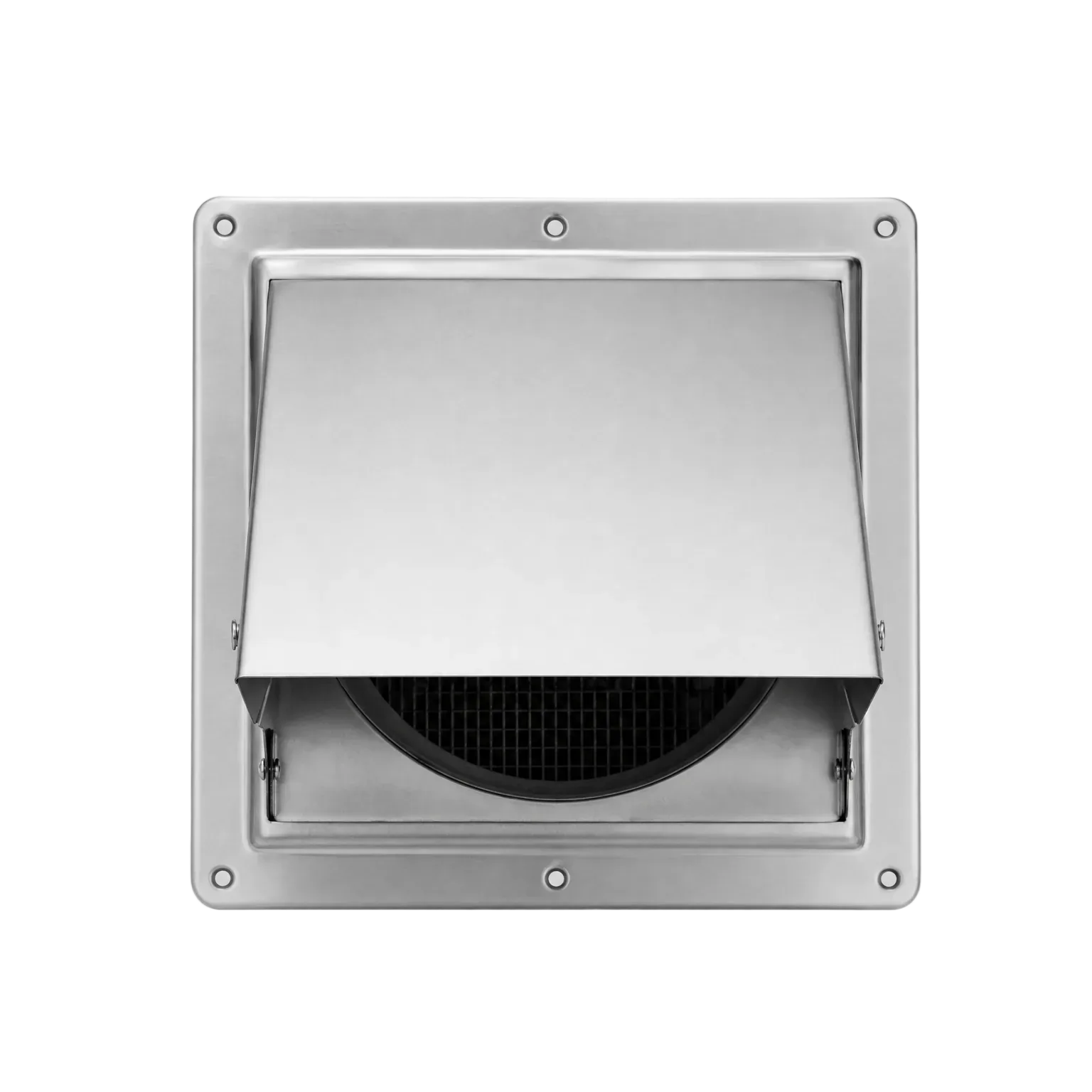
A square stainless steel wall vent hood with a hinged flap cover and a round mesh-screened duct opening, shown centered against a plain light gray background.
Find a pro near me

How often should I clean my dryer vent in Kansas?

You run a load of laundry and notice the top of the dryer feels hotter than usual, or clothes take two cycles to dry. Before you call anyone, you want to know how often this is supposed to get done so you can tell whether you're behind schedule or just dealing with something else.

Once a year for most households

Lint builds up inside the vent pipe every time you dry a load, not just in the trap, and once a year is enough to keep it clear for most households. If you run the dryer most days, or if you've got a larger household going through more laundry, twice a year is closer to right. Kansas summers get sticky, and a vent that's partly blocked makes the dryer work harder to push air out, which shows up as longer dry times and a warmer laundry room. A clear vent also matters for keeping lint from building up near the motor, since that's where it can become a fire risk.
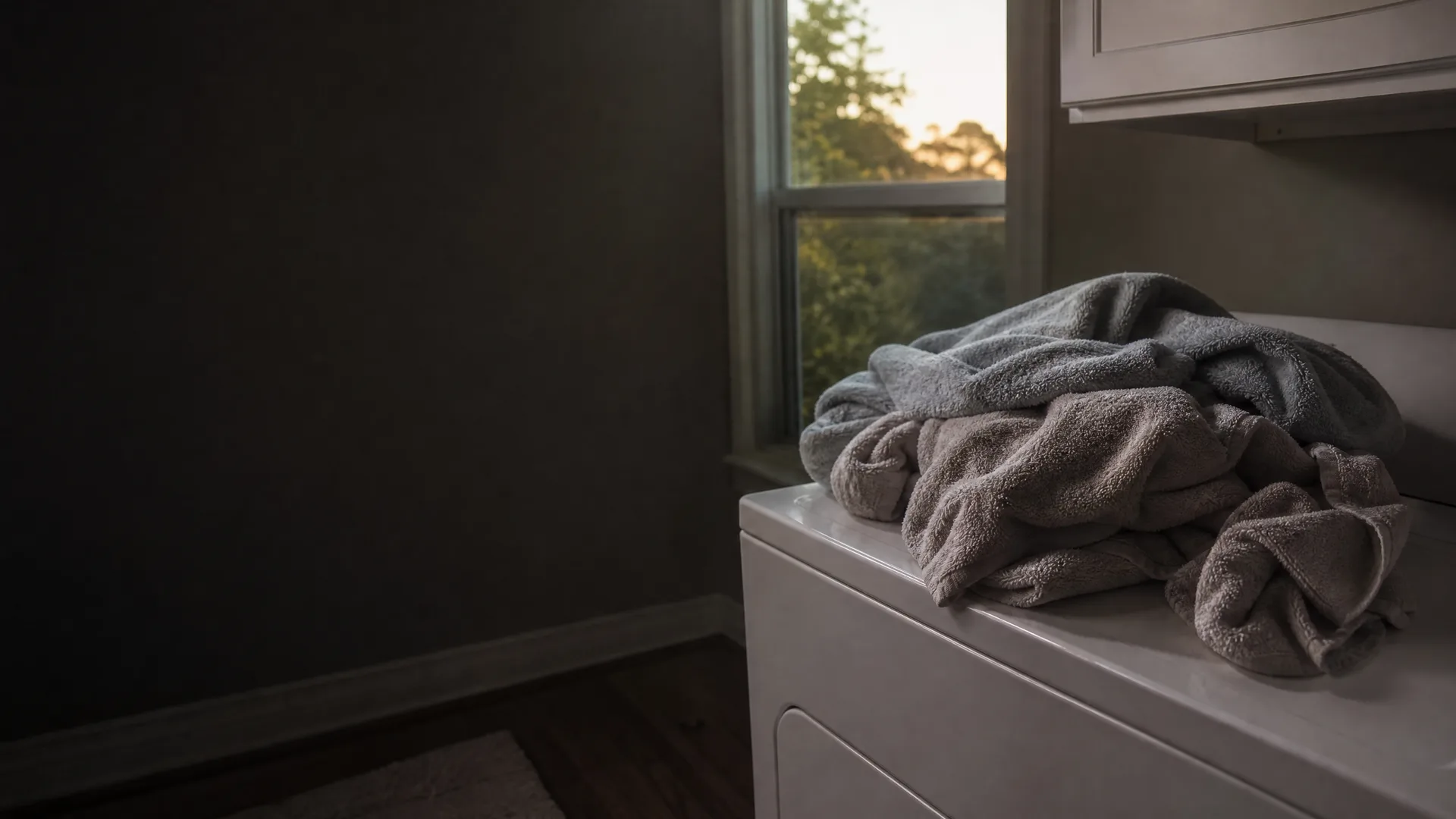
A pile of gray and taupe towels sits on top of a white laundry appliance in a dim room beside a window with trees and sunlight outside.

It's almost nine on a Tuesday and you're still in the laundry room because the towels wouldn't dry. You pull them out a second time, and they're warm but not dry, heavy in your arms, and you drape them over the top of the dryer while you figure out what to do with them. The air in the room feels thicker than it should, a little damp, the way it gets outside here in July. You crack the door to the hallway. Tomorrow's a work day and now there's a heap of towels waiting on a machine that just ran for an hour and didn't finish the job.

Why does the laundry room feel so warm lately?

You notice the air in the laundry room is warmer than it should be, maybe a little damp, with a faint burnt-dust smell when the dryer first kicks on. The outside vent hood barely moves when you check it, or the flap stays shut instead of flapping open. Lint turns up in spots it shouldn't, around the drum opening, behind the machine, on the floor nearby. None of this is dramatic on its own. But a blocked vent makes the dryer run hotter and longer than it was built to, and in a gas-heated house like most here, that heat has nowhere good to go. Left alone long enough, it's a fire risk, not just a slow dryer.

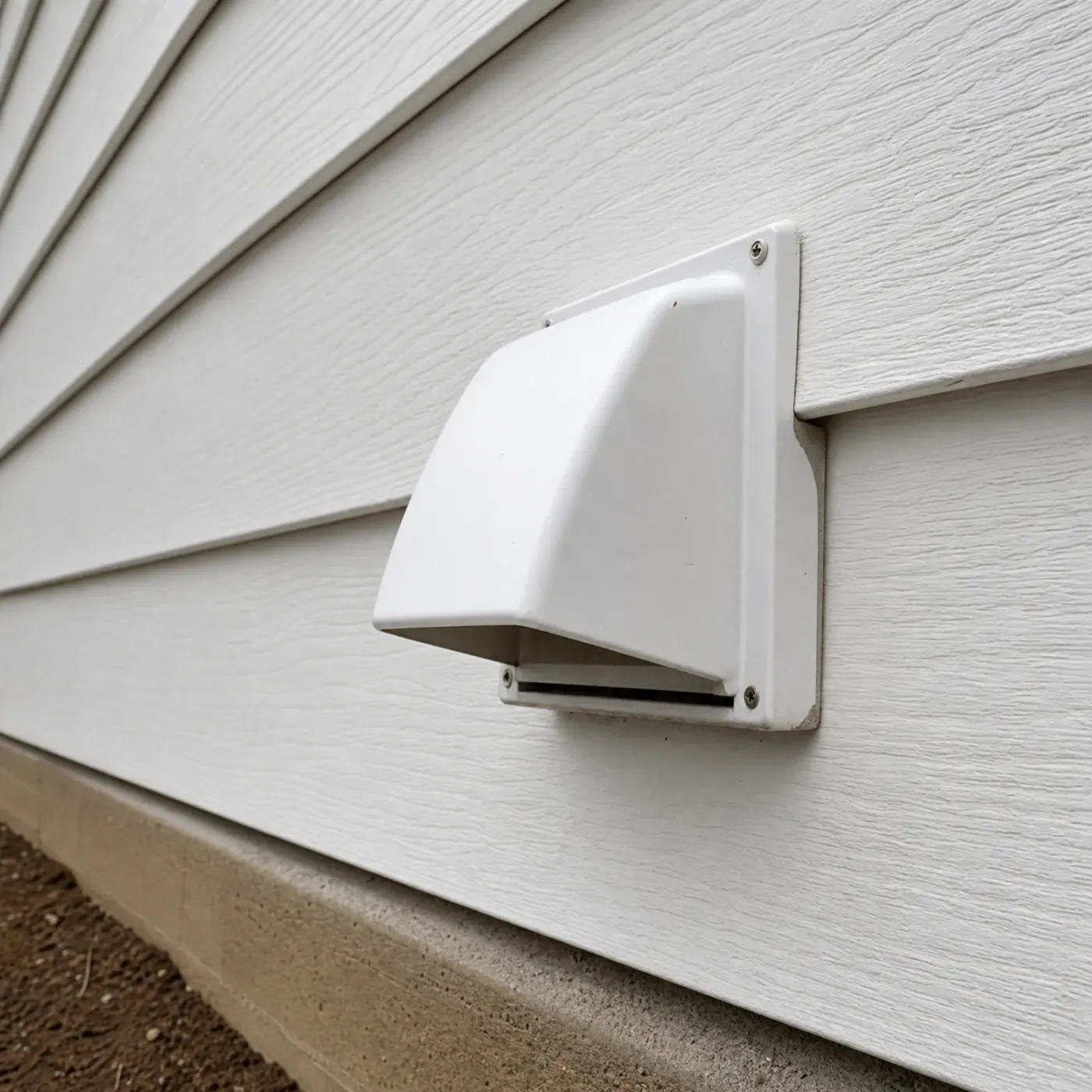
A white plastic hooded dryer vent with a mesh screen, fastened by four screws to beige horizontal lap siding above a concrete foundation wall.

Vent clear and open

Air pushes the flap open wide and it swings shut again once the cycle ends. The screen stays free of lint. A load of towels dries in one cycle, and the top of the dryer stays cool enough to rest your hand on.

A white plastic hooded dryer vent with a louvered grille mounted on horizontal vinyl siding above a textured concrete foundation wall.

Vent clogged with lint

Lint has packed into the grid until the openings barely show. Air can't push the flap open the way it should, so moist air backs up into the vent run instead of leaving the house. Clothes come out damp, and the dryer runs hotter and longer than it needs to.


A woman in a cream cowl-neck sweater stands in a lamp-lit room looking out a window at a snow-covered yard with shrubs and bare trees at dusk.
A woman in a gray turtleneck sweater stands near a large window in a lamp-lit living room, looking out at falling snow and snow-covered conifers.
A woman in a chunky knit sweater stands by a large window looking out at snow-covered ground, with a dimly lit living room containing a gray sofa, framed artwork, shelves and table lamps behind her.
A woman in a gray turtleneck sweater stands in a dimly lit living room with a lamp and bookshelves, looking out a multi-pane window at falling snow.
A white hooded dryer vent cover screwed to white lap siding above a concrete foundation and bare soil.

The right pro for this job

After this form, you can stop searching for a dryer vent pro.

Your dryer vent cleaning request goes to a local pro who does this work.

Get my match

You only hire the pro if you want to.

Clean It Yourself or Call a Pro

Clean it yourself

  • You can pull the lint screen and wipe it down after every load, which takes care of what builds up right at the door.
  • A flexible brush kit reaches a few feet into the duct from either end and pulls out what you can get to.
  • You won't see the lint sitting in the middle sections of a long run, behind elbows, or packed into the hood flap outside.
  • It costs you nothing but time, and gas dryers especially need that line clear since the exhaust carries combustion byproducts out with the lint.
  • If your run is short and straight, a homeowner job every few months can keep ahead of it.
  • You're relying on guesswork about how much is actually built up past where the brush reaches.

Have it cleaned professionally

  • A contractor runs a rotary brush the full length of the duct, from the dryer connection to the roof or wall cap.
  • They check the vent hood flap outside opens freely and isn't nested in by birds or packed with lint behind the screen.
  • Kansas summers get humid, and damp lint sticks to duct walls instead of blowing through, which a shop vac at the dryer end won't fix.
  • They can tell you if your duct run is too long or has too many turns for the lint to clear on its own, something worth knowing once and not guessing at every season.
  • You get the whole line cleared in one visit instead of piecing it together from both ends.
  • Gas dryer vents get a closer look for proper draft, since a weak draft means exhaust lingering where it shouldn't.
A white plastic louvered dryer vent hood mounted on beige horizontal lap siding above a concrete foundation wall bordered by gravel.

The cap moves freely

The flap hangs loose against the siding and swings open when the dryer runs. No lint around the edges, no buildup on the louvers. Air pushes it open with enough force that it doesn't just crack, it swings.

A dusty white plastic dryer vent hood with lint-clogged louvers mounted on beige horizontal vinyl siding above a concrete foundation wall and a bed of rounded gray rocks.

The cap is clogged

Lint has packed in around the louvers and built up along the seam where the siding meets the foundation. The flap barely lifts when the dryer is running, if it moves at all. Air isn't getting out, which means it's backing up somewhere in the duct.


A bearded man in a plaid flannel shirt sits indoors looking out a window at snow-covered trees, with a steaming mug on the sill and wooden kitchen shelves behind him.
A man in a blue T-shirt sits on a light gray sofa, laughing while looking at an open laptop in the foreground, with a framed picture, lamp and potted plant behind him.

1 cycle vs 2

A clear vent dries a full load of towels in one cycle. Once lint narrows the duct, that same load takes two, and your gas dryer runs longer to do it.

Request a pro

Once a year, most homes

A duct free of major bends and under normal use holds up for about a year between cleanings. Longer runs or extra loads move that date up.


Request a pro
A lint-clogged hooded dryer vent mounted on light gray horizontal lap siding above a concrete foundation wall.
Before you get your dryer vent cleaning
A white hooded dryer vent with a square screwed-on flange mounted on gray horizontal lap siding, above a concrete foundation wall edged with gravel stones.
After you get your dryer vent cleaning
  1. Lint builds up inside the duct with every load dried.

  2. Airflow drops, so heat and moisture stop venting outside.

  3. A tech runs a brush through the duct from both ends.

  4. A vacuum pulls the loosened lint out of the line.

A white hooded louvered vent mounted on beige horizontal lap siding above a stucco foundation wall bordered by river rock gravel.
Air pushes the flap open and the screen behind it stays clear, so a full load of towels comes out dry in one cycle.
A white plastic hooded dryer vent with a lint-covered screened opening mounted on beige horizontal vinyl siding above a concrete foundation.
Dark lint packs the screen and coats the opening, which means the dryer is pushing heat and moisture into a vent that won't take it.

Power costs 14.44 cents per kilowatt-hour statewide

At 14.44 cents a kilowatt-hour, a dryer that runs two cycles instead of one costs you for that extra hour every time. Most Kansas homes dry with gas, so the bigger hit shows up in gas use, but the dryer's drum motor and timer still pull power the whole time it runs. A clear vent gets the load done in one pass.

EIA-861 2025 statewide residential average

Once a year is the answer for most homes in Kansas, sooner if you dry more than a few loads a day or the duct run is long or bent. The signs matter more than the calendar. Towels taking two cycles, a hot top panel, a vent hood that barely moves when the dryer runs, any of those means it's time regardless of when it was last done. You don't have to figure out whether what you're seeing is normal wear or an actual problem. Send the form and that question becomes someone else's job to answer, not yours to carry around while you keep drying towels twice. A contractor who works on vents in your area will get in touch, look at what's actually going on in your duct, and tell you straight whether it needs clearing now or can wait. That's one less thing on your list.

A single-story stone-clad house with low-voltage path lights along a gravel bed and lawn at dusk, with a tree line and orange sky on the horizon.

Dryer Vent Cleaning

A dryer vent pro near you

Duct and vent cleaningKansas
Step 1 of 3

What kind of equipment?

  • A pale ceramic vase holding leafy green branches sits on a wooden side table beside a linen-covered chair with a throw blanket, below a wood-framed window.
    • A local pro who knows dryer vents gets your details and gets in touch.
  • A large woven basket with rope handles holding a draped cream fringed blanket stands in a room corner on a wood floor, with sunlight from a nearby curtained window and a dark wood cabinet at right.
    • One request and the dryer vent cleaning stops waiting on you.
    • Once you send the form, finding a pro is off your list.
  • A leafy green plant in a woven basket sits in a sunlit corner beside a beige sofa with a knit throw, sheer curtains, a window, and a wooden coffee table.
    • Skip searching for a dryer vent pro and answer a few questions instead.
    • One form replaces the calls you'd make to find a dryer vent pro.
  • A ceramic vase holding olive branches and a wooden bowl sit on a wooden windowsill beside a white-framed window, with a framed picture leaning against the grey wall.
    • Your dryer vent cleaning request goes to one local pro.
    • Your request stays with one local pro.