1 a year
That's the clean-out schedule for most houses in Overland Park. Mark the date you last had it done and set the next one before you forget.

Clean your dryer vent once a year. That's the rule for most houses in Overland Park, and it holds whether you run the dryer twice a week or every day. Lint builds up inside the duct a little at a time, and it doesn't wash out or break down, it just sits there narrowing the path air needs to take to get outside. A year is about how long it takes for that buildup to start working against you: longer dry times, a dryer that runs hotter than it should, more lint smell in the laundry room. If your vent run is long, has several turns, or feeds out through the roof instead of a nearby wall, lint catches faster and once a year becomes the outside limit rather than a comfortable average. Skip past that point and the dryer has to push harder to move the same load of air, which shows up as a longer cycle and a warmer machine. A clean vent does the opposite: air moves the way it was designed to, and the dryer isn't working to overcome its own exhaust.
2.46 people per household on average
A household here runs 2.46 people on average, so most dryers in the area are running loads several times a week, not once in a while.
Half the homes here were built by 1989
Half the homes in Johnson County were built in 1989 or earlier. An older duct run is more likely to have joints and turns where lint catches.
Power here costs 13.46 cents per kilowatt-hour
Power here runs 13.46 cents per kilowatt-hour. A duct packed with lint makes the dryer run longer to dry the same load, and that cost adds up.
ACS 2020-2024 · EIA-861 2025
A vent cleared once a year keeps the dryer pushing hot air outside where it belongs, instead of back into the duct where it just sits and builds.
A vent left alone past that point makes the dryer run longer to dry the same load, and a dryer working that hard against a clogged vent is how lint fires start.


That's the clean-out schedule for most houses in Overland Park. Mark the date you last had it done and set the next one before you forget.
The trap in the dryer only stops what's near the door. The fine lint that slips past it rides the duct and collects farther down, out of sight.
Most people don't check the vent itself, they just notice the dryer acting off. You're not going to climb up and look inside a duct, so you're stuck reading the signs the machine gives you. The trouble is those signs are easy to explain away as something else, especially if the dryer still finishes the load eventually.
That's the clearest sign. The dryer works by pushing hot, damp air out through the vent, and if the duct is packed with lint, that air backs up instead of leaving the house. The drum keeps turning but the clothes stay damper longer, so the cycle runs twice as long to finish the same load. Touch the outside vent hood while the dryer runs. Weak air coming out, or almost none, means the duct is restricted somewhere between the dryer and the outside wall. A laundry room that gets noticeably warmer than the rest of the house during a cycle is the same problem. The dryer isn't broken. The air just has nowhere to go.
Hot, damp air leaves the drum through the vent duct
Lint rides along with that air the whole way
Some lint sticks to the duct wall instead of exiting
The buildup narrows the duct a little each load
Touch the dryer door partway through a cycle. If it's hotter than you remember, or the top of the machine feels warm, air isn't leaving through the vent the way it should. Clothes come out hot but still damp, so you run the cycle again. You might notice the laundry room feels warmer than the rest of the house, or a faint burnt smell when the dryer's been running a while. Check the outside vent hood while a load is going. A strong flap of air means it's clear. A weak puff, or none at all, means lint is sitting somewhere in the duct. Left that way, the dryer keeps working harder to push air through a passage that keeps getting narrower, and the heat it's trying to vent has nowhere to go but back into the duct.




You've read what's going on inside that duct and what it's doing to your dryer. Finding someone to clear it out is the part most people put off, because it means calling around and explaining the same thing three or four times. Send the request here and it goes to one contractor, someone local who clears vents like yours every week and knows what a Johnson County duct looks like after a year of towels and sheets. No fielding calls from a handful of companies trying to win the job. You hand off the problem once, and it's off your plate. A dryer that's been running long and hot for a few months isn't an emergency, but it's worth setting right before it turns into one, and that starts with the button above.
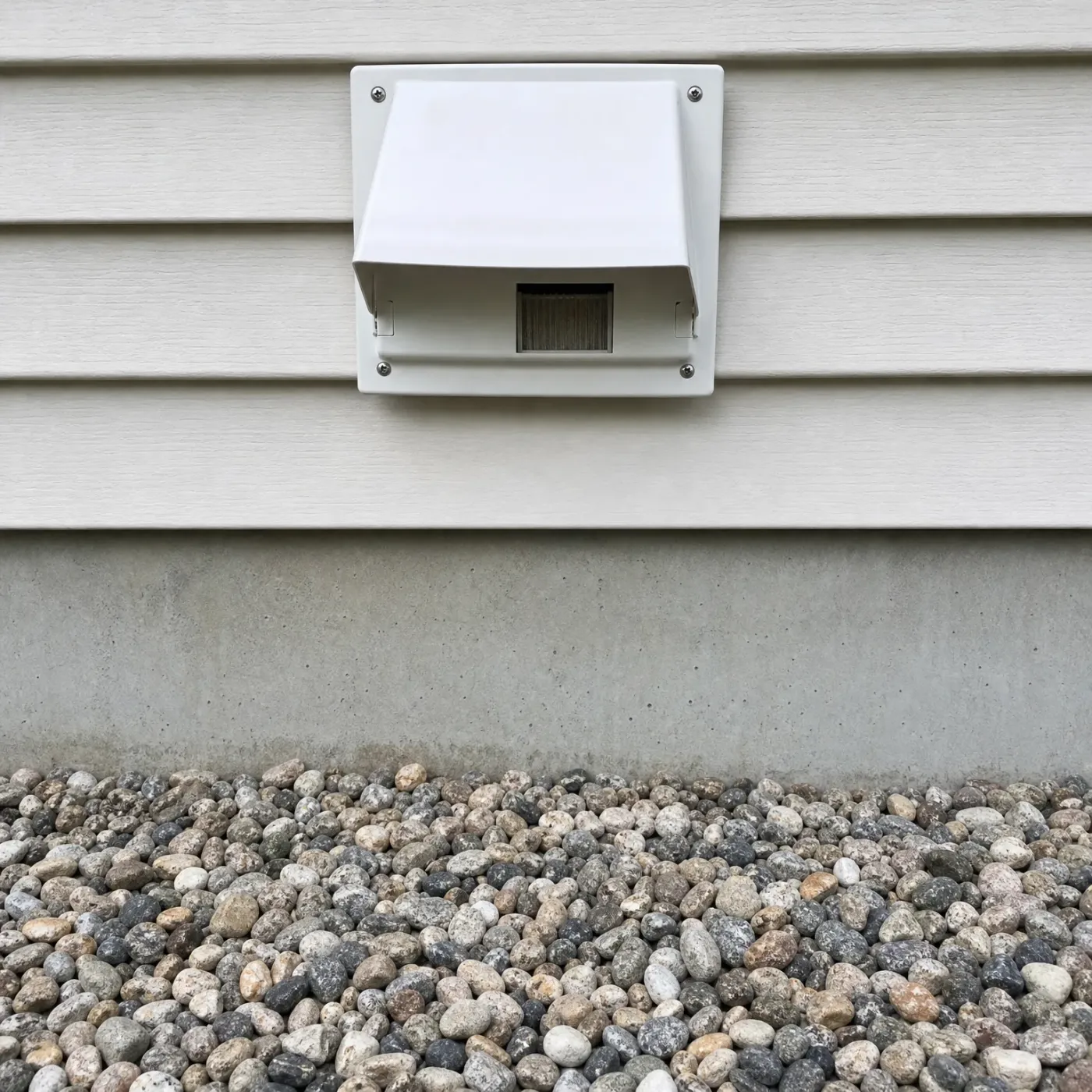
Air passes straight through and out the hood. The flap swings open while the dryer runs and falls shut when it stops, so nothing gets in from outside. A load finishes on one cycle, and the duct behind the siding stays open its full width.
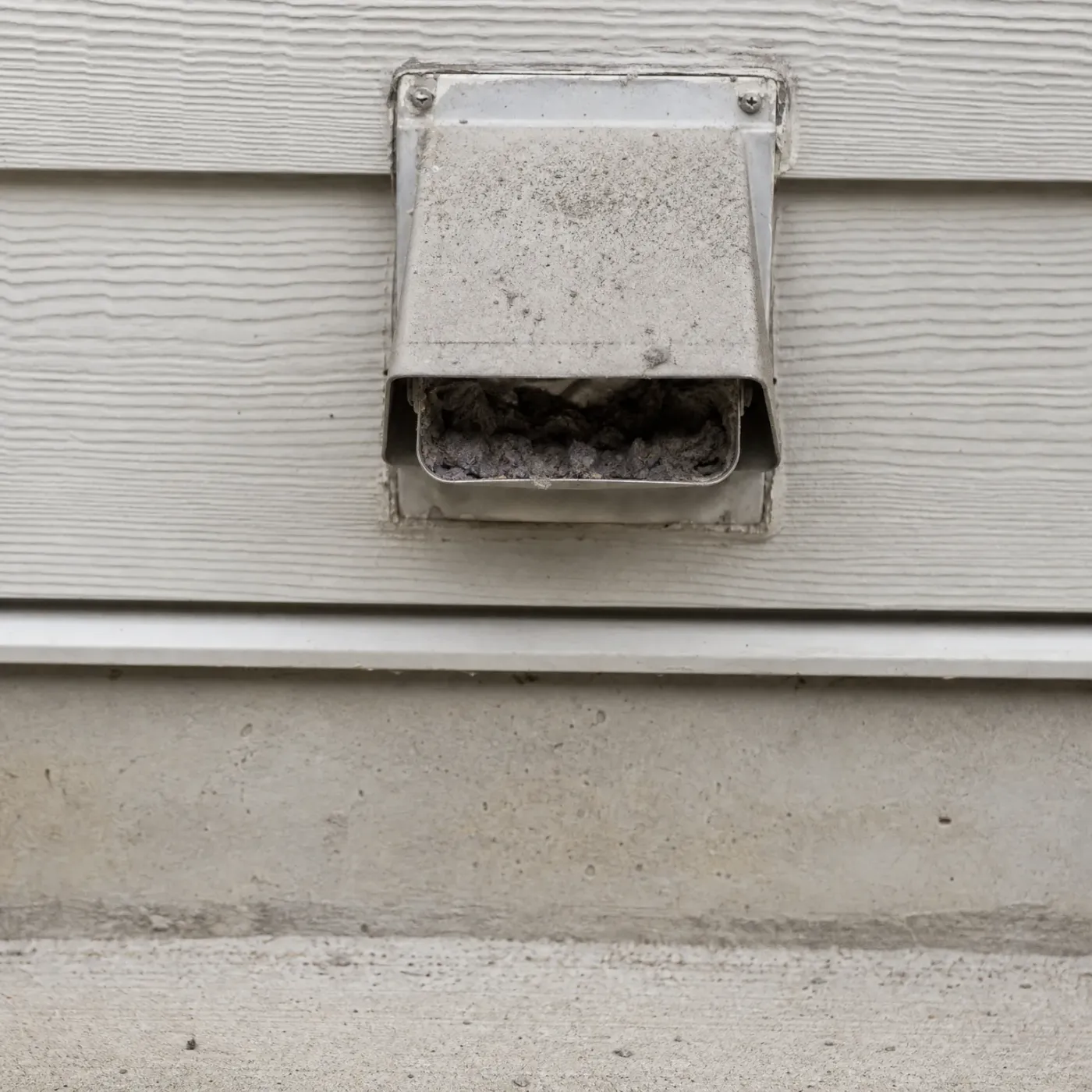
The flap can't close all the way because lint has built up on it load after load. Air pushes against that blockage instead of moving out, so heat and moisture back up into the duct. This is what a vent looks like after it's gone too long without being cleared.
At 2.46 people, most houses here are doing laundry most days of the week, not saving it for a weekend. That pace is exactly why lint builds up steadily in the duct instead of staying light, and why the yearly clean-out matters for your place specifically.
ACS 2020-2024

It's a little past eight on a weeknight and you've already run the towels twice. The dryer is still warm on top when you open the door, and the load inside is nowhere near done, just heavy and damp and smelling faintly hot. You pile them on top of the machine anyway, telling yourself you'll start a third cycle after dinner. The laundry room is quiet except for the tick of the dryer cooling down, and the stack of towels sits there, not drying, just waiting. You've got work tomorrow and a dozen other things to get to tonight, and this is the one that's going to eat another half hour you didn't plan on.
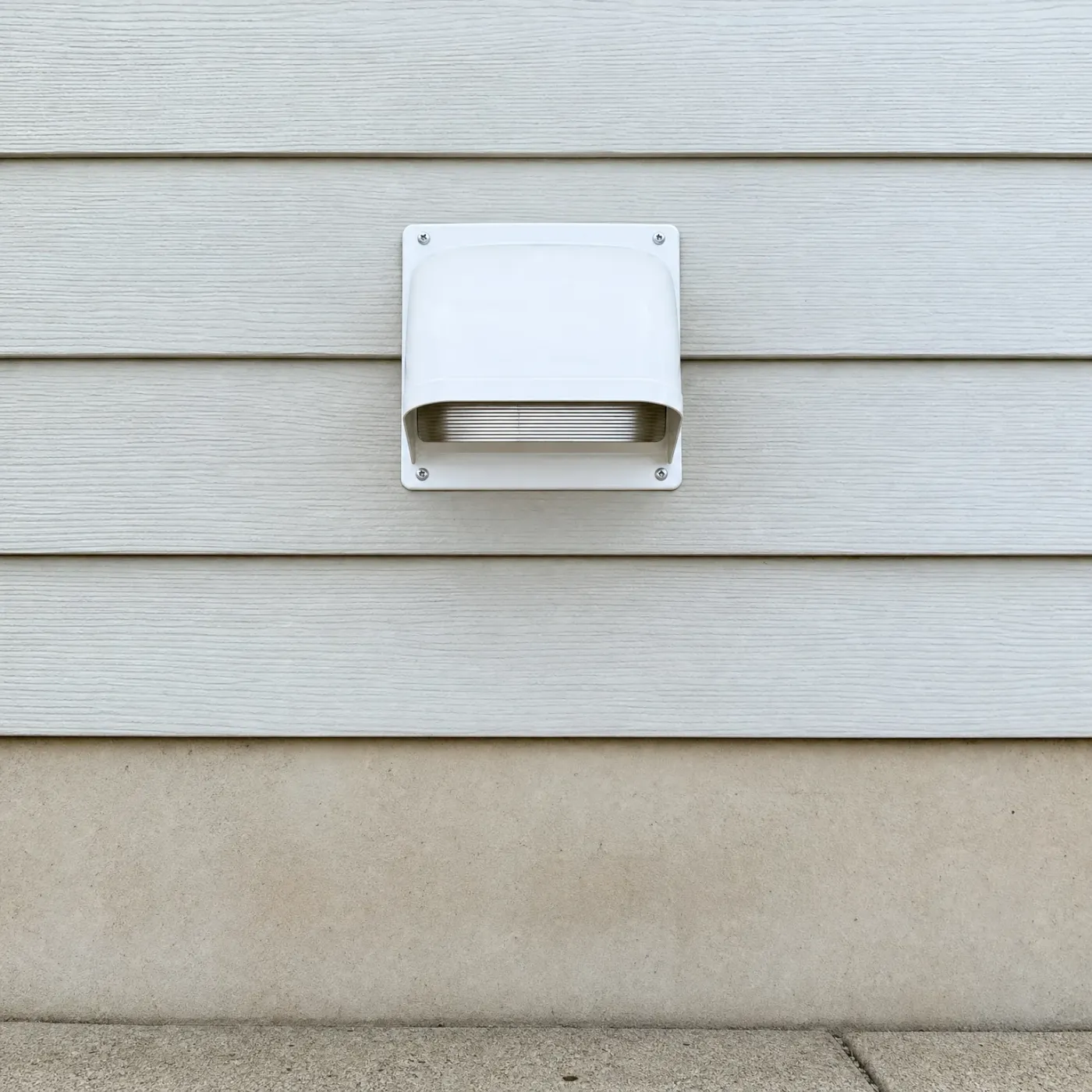
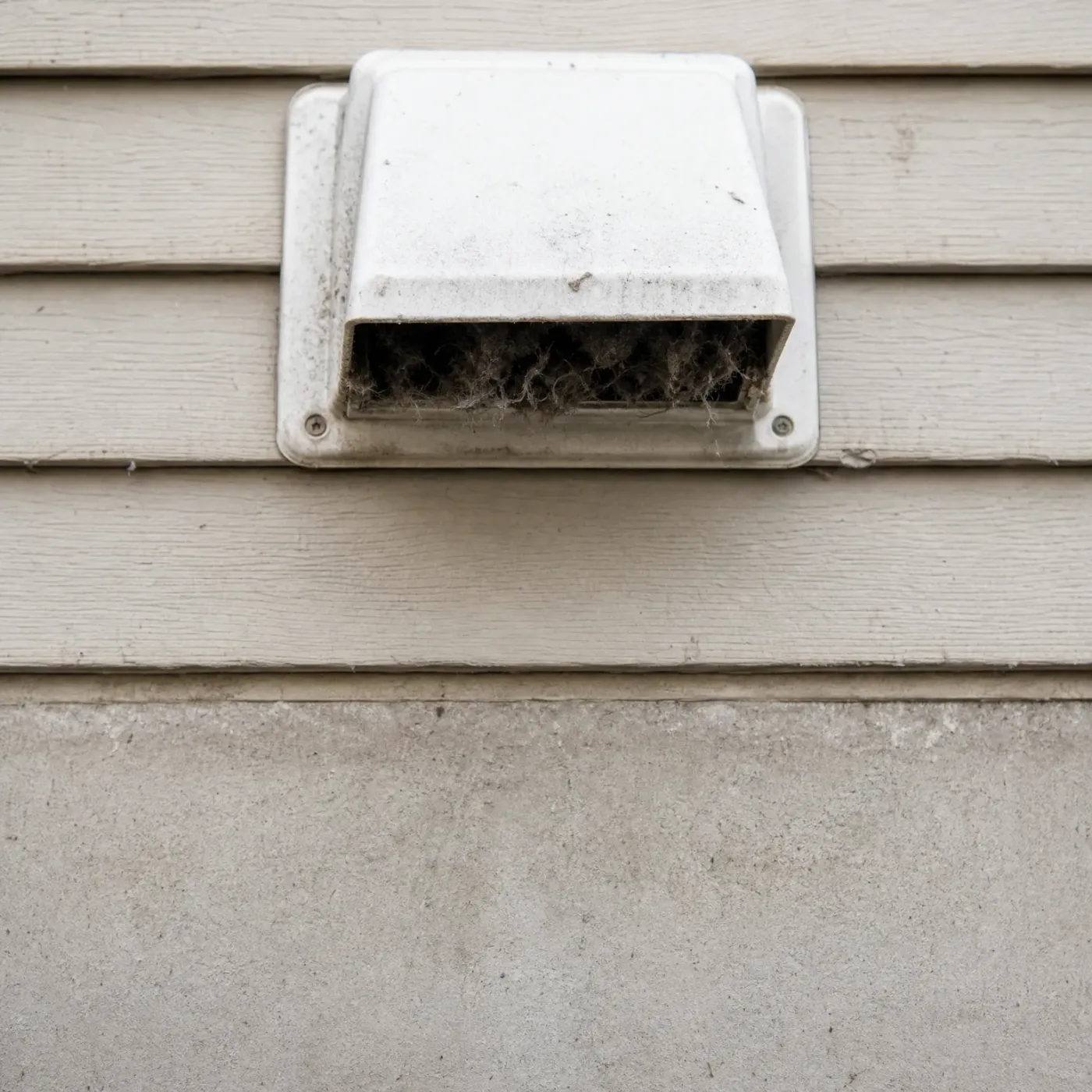
A year is the number to work from. Most houses in Overland Park land on that same schedule, whether the dryer runs daily or just a few times a week, because lint collects at roughly the same pace once a household settles into its routine. The duct doesn't clean itself and the lint trap only catches what's near the door, so the stretch of duct behind the wall is the part that needs the yearly look.
When you're ready to get it cleared, the request goes to one contractor, not a handful. That matters more than it sounds like it should. You explain your situation once, to someone local who clears vents in houses like yours all over Johnson County and already knows the hood styles and duct runs common to this area. There's no sorting through three or four quotes or repeating yourself on the phone with each one.
Once it's done, the rest is simple. Write the date down somewhere you'll see it, the inside of a cabinet door, a note on the dryer itself. Next year you're not guessing whether it's time, you're just checking a date. A dryer with a clear path home runs cooler, finishes a load of towels in one cycle instead of two, and isn't straining a motor that was built to push air out, not fight its way through a narrowing duct.





The pro who reaches out is licensed in Kansas.
Asking costs nothing, and the choice to hire stays yours.