A vent cap that still does its job
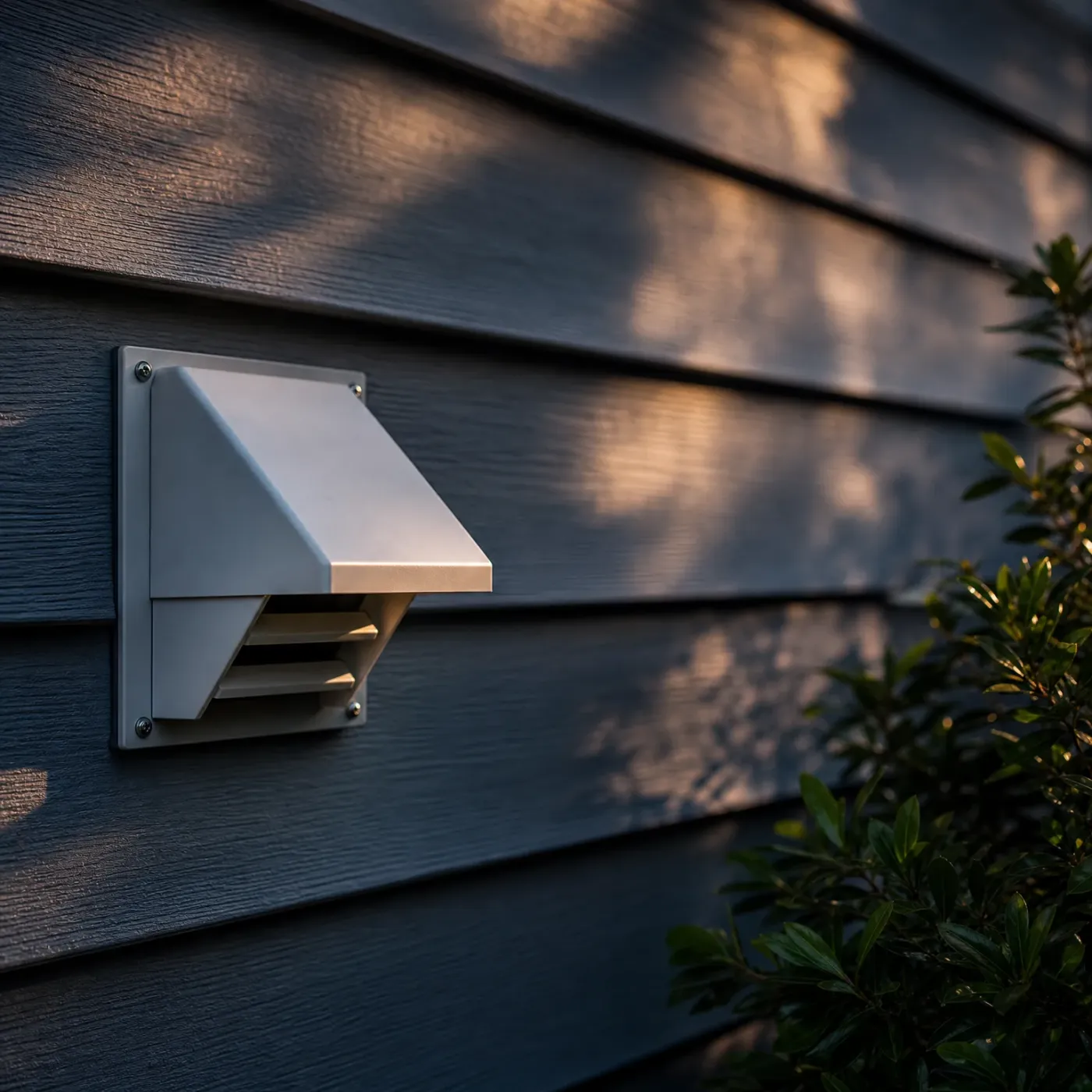
This cap sits flush on the wall, flap down, screws tight. Air pushes the flap open when the dryer runs and it falls shut after. Nothing gets in because there's no gap for a bird to work with.
Explain it one time
Spring nesting season is when birds pack a dryer vent with twigs and the flap stops closing right. This page gets into how to tell if that's what's blocking yours, what it does to drying times, and why it's worth clearing out soon. Skip the round of calls to different vent cleaners explaining the same bird problem over and over, and get matched with one licensed Kansas pro who clears this kind of blockage regularly.
Start one formA dryer vent with a loose or stuck flap gives birds an easy place to build in spring, usually March through May here in Kansas. The flap is supposed to stay shut when the dryer isn't running, but once it's bent or the spring weakens, it hangs open enough for a bird to get in and start packing twigs into the duct. Once that nest is in there, lint has nowhere to go. Your clothes take longer to dry, the outside of the dryer runs hotter than it should, and the vent hood outside may show twigs poking out or feathers caught on the edge. A blocked vent also means the moisture from a normal load is venting back into your laundry room instead of outside. This isn't something to leave until next load. A packed vent is a known cause of dryer fires, and the nest has to come out of the duct itself, not just off the hood.

That flap is the only thing keeping the vent closed between loads. Most are a thin metal or plastic damper on a spring, hinged at the top, sitting right at the wall or roof cap. It only takes a light touch to push open from outside once the spring loses tension. A bird testing it finds no resistance, and that's an opening a squirrel or wasp nest might also find before you do.

A dryer pushes hot, wet air out through that vent with every load. Nesting material packed into the duct gives that air nowhere to go, so it backs up. Clothes come out damp after a full cycle, or the dryer runs long to finish the job. Lint that would normally blow outside starts collecting behind the blockage instead, right up against sticks and feathers that catch heat easily.

A dryer pushes hot, damp air out through that vent every load. If a nest is in the way, the air backs up. You'll notice a load that used to take forty minutes stretching to an hour or more, or the top of the dryer running hotter than usual. Lint has nowhere to go but back into the duct, and twigs packed around the flap make a good place for it to catch. That's the setup for a dryer fire, which is why this isn't one to put off till fall.
Finding someone who clears vents isn't the same as finding someone who installs them, and not every HVAC company wants the job. You'd be calling around asking who actually does this, then explaining the nest, the slow drying, the roof or wall cap, to each one before you even get a quote. One call here gets you a local contractor who already knows what a spring nest looks like from the inside and how to get it out without tearing up the vent.


This cap sits flush on the wall, flap down, screws tight. Air pushes the flap open when the dryer runs and it falls shut after. Nothing gets in because there's no gap for a bird to work with.

That flap hasn't shut in a while. The buildup behind it is holding it open, and a bird saw the same opening you'd see from the yard. Lint like this also means the dryer's been pushing air against a blockage for some time.


A nest built up over a few weeks in spring can take more than a shop vac and a coat hanger to clear, especially if it's packed in past the first bend or up on a roof cap. Pulling it out right means getting to the whole run, not just what you can reach from the wall, and checking that the flap still seats shut when it's done. That's not a job most people want to start calling around for, getting put on hold, explaining the birds and the nest and the slow drying time over and over to whoever picks up. Someone who works on vents in Kansas through every nesting season has seen this exact setup, knows where birds tend to pack in on a Kansas-style cap, and knows what a cleared vent needs to actually keep them out next spring. One call gets your situation to that person instead of a handful of strangers working off secondhand notes. With a vent this blocked, getting it sorted before the next load is worth more than getting a few quotes to compare.








You can clear a nest out of the first few feet of vent yourself if you can reach it and don't mind the mess, and sometimes that's enough to get air moving again.
A nest built against a roof cap or packed past the first bend needs someone who can run a line the full length of the vent and check the flap once it's clear.
A clogged vent makes the dryer run longer to finish the same load, and that extra time shows up on your bill at 14.44 cents a kilowatt-hour. Clearing the nest out gets drying times back down and stops you paying for heat that's just sitting in a blocked duct.
EIA-861 2025 statewide residential average
A bird nest in a dryer vent comes down to one part failing: the flap didn't stay shut. Once it's cleared and the flap is closing the way it should, there's no gap left for the next bird working its way along the wall in March or April. That's the whole fix. Nothing about the dryer itself needs to change.
Getting there is the harder part, and it depends on where the nest sits. A few feet in, past the first bend, out on a roof cap three stories up, these all call for different reach, and a contractor who handles dryer vents through a full Kansas spring has pulled nests out of all three. They know a flap that's just bent back from a cold-weather gust looks different from one propped open by a season of twigs and lint packed solid. That's not a guess made from a truck. It's knowing the part because they've had a hand in a few hundred of them.
You get sent to one of these contractors, not a handful. No fielding separate calls, no explaining the same blocked vent three times to three different companies before picking one. One licensed contractor local to you, already set up to look at the whole run from the dryer to the cap.
The drying times tell you when it's working again. A load back down to the time it used to take means the air is moving the way it's supposed to, flap closing behind it, nothing left for a bird to use as a way in.

Skip calling around



