128 degrees
That's how hot the air inside a blocked dryer vent can get. It's hot enough to ignite lint, which is why a nest packed with grass and twigs is a real fire risk, not just a clog.

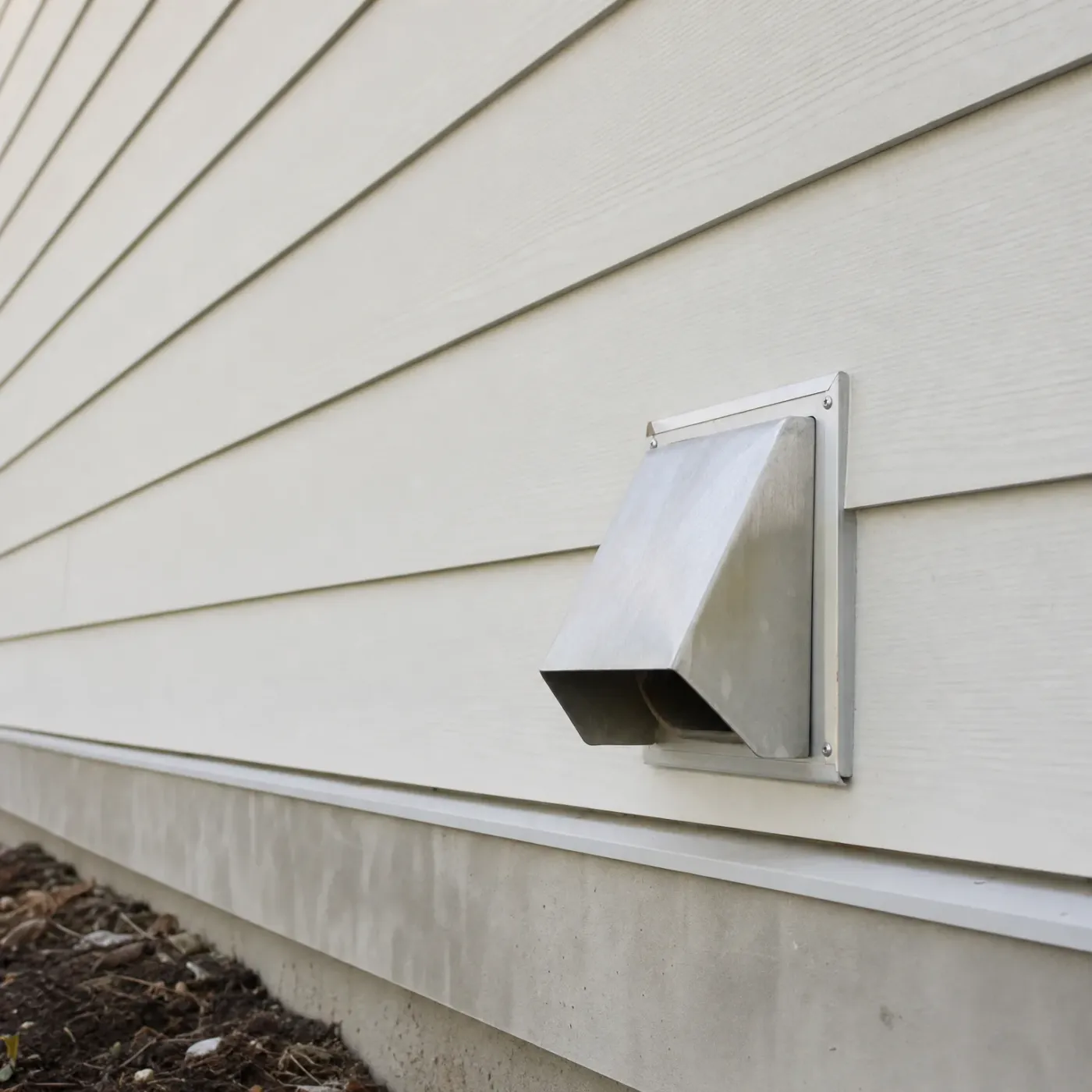
A bird in your dryer vent is usually a chimney swift or a sparrow that got in through the flap while it sat open or stuck. Dryer vent hoods have a flap that's supposed to stay closed except when the dryer runs, but if the flap is bent, missing its spring, or jammed with lint, birds can push through and build a nest just inside. Spring is when this mostly happens, since that's when birds in Shawnee County are hunting for a sheltered spot to raise a brood. Once a nest is in there, your dryer stops venting the way it should. Lint and hot, damp air back up instead of blowing outside, and that's both a fire risk and a reason your clothes are taking two cycles to dry. You'll often smell it before you see it, or hear faint scratching or chirping near the vent when the dryer isn't running. The nest has to come out, and the vent run checked end to end, before it's safe to run the dryer again.
2.29 people per household on average
With 2.29 people in the average Shawnee County household, that dryer is likely running loads most days of the week, and a blocked vent catches up fast.
Half the homes here were built by 1972
Half the homes here were built in 1972 or earlier, old enough that the vent hood and flap may be the original one, more likely to be bent or stuck open.
Power here costs 14.90 cents per kilowatt-hour
At 14.90 cents per kilowatt-hour, a dryer working harder to push air past a blocked vent runs longer than it should, and that shows up on the bill.
ACS 2020-2024 · EIA-861 2025
A bird can build a nest in a few days once it's decided your vent is a good spot, and once there's nesting material packed in there, lint has something to grab onto instead of blowing straight out.
That's how a vent goes from slightly slow to fully blocked, and a blocked vent means hot, damp air with nowhere to go but back into your laundry room or into the wall around the duct.


A bird doesn't need to fill the whole pipe to cause trouble. Chimney swifts cling to the inside wall rather than sitting on the hood, so a nest can sit well back from the opening where you'd never spot it by looking. Sparrows build looser nests, mostly grass and twigs, but they land right behind the flap where the air has to pass. Either way, the dryer's own heat won't push the birds out. By the time the nest is built, nesting material is usually what's holding the flap open in the first place. That means the hood can look normal from the yard while the pipe behind it is narrowing. Lint is the part that turns this from a nuisance into a real problem. It used to blow clear every load. Now it catches on the nest material and builds up layer by layer inside the pipe. If the nest belongs to a chimney swift, there's another wrinkle: federal law protects the birds, so whoever clears the vent has to work around the nest rather than just pulling it out.


That's how hot the air inside a blocked dryer vent can get. It's hot enough to ignite lint, which is why a nest packed with grass and twigs is a real fire risk, not just a clog.
Chimney swifts and most other wild birds are protected, so a nest can't just be ripped out. A contractor knows how to clear a vent without breaking the law.




Send the form and the dryer vent cleaning stops sitting on your list.
Get matched with a pro who works on dryer vents in Shawnee County.
Asking costs nothing, and the choice to hire stays yours.
Run the dryer and listen before you look. Scratching or chirping from the wall or the vent hood means something is still alive in there. A smell of droppings or old nesting material when the dryer's been on a while is another sign, along with towels and sheets taking two or three cycles to dry when one used to do it. Check the hood outside too. Grass and twigs poking out from under the flap, or the flap propped open and not falling shut on its own, means a nest is already built. Left alone, the dryer keeps pushing hot, damp air into a space that can't vent it, and that heat has nowhere to go but back into the duct.


A bird in the vent isn't a mystery once you know what to check. The flap failed to close, something got in, and lint started catching on the nest instead of blowing clear. That's the whole chain, and it's why a small problem turns into a packed duct faster than most people expect. The risk isn't just a slower dryer. Heat has nowhere to go but back against dry nesting material, and that's a fire risk sitting a few feet from your laundry room. It's also not a job to handle with a shop vac and a coat hanger. Chimney swifts and most wild birds are protected under federal law, so getting the nest out means doing it in a way that doesn't harm whatever's in there, and knowing whether it's still occupied before anyone opens the duct. A contractor who does this work knows how to check for a live bird, clear the nest without damaging the vent run, and leave the flap seated and moving freely again. Once that's done, the vent goes back to doing what it's supposed to do. Lint blows straight out, the flap closes against the hood when the dryer's off, and there's nothing left behind the wall for droppings or debris to collect on. Sending the request is the last thing you have to think about. From there, someone who knows this exact problem takes it from you.





Send the request and finding a pro stops being your problem.
No fee to send it, and nothing to sign.