








Is a clogged dryer vent a fire risk in Wichita, KS

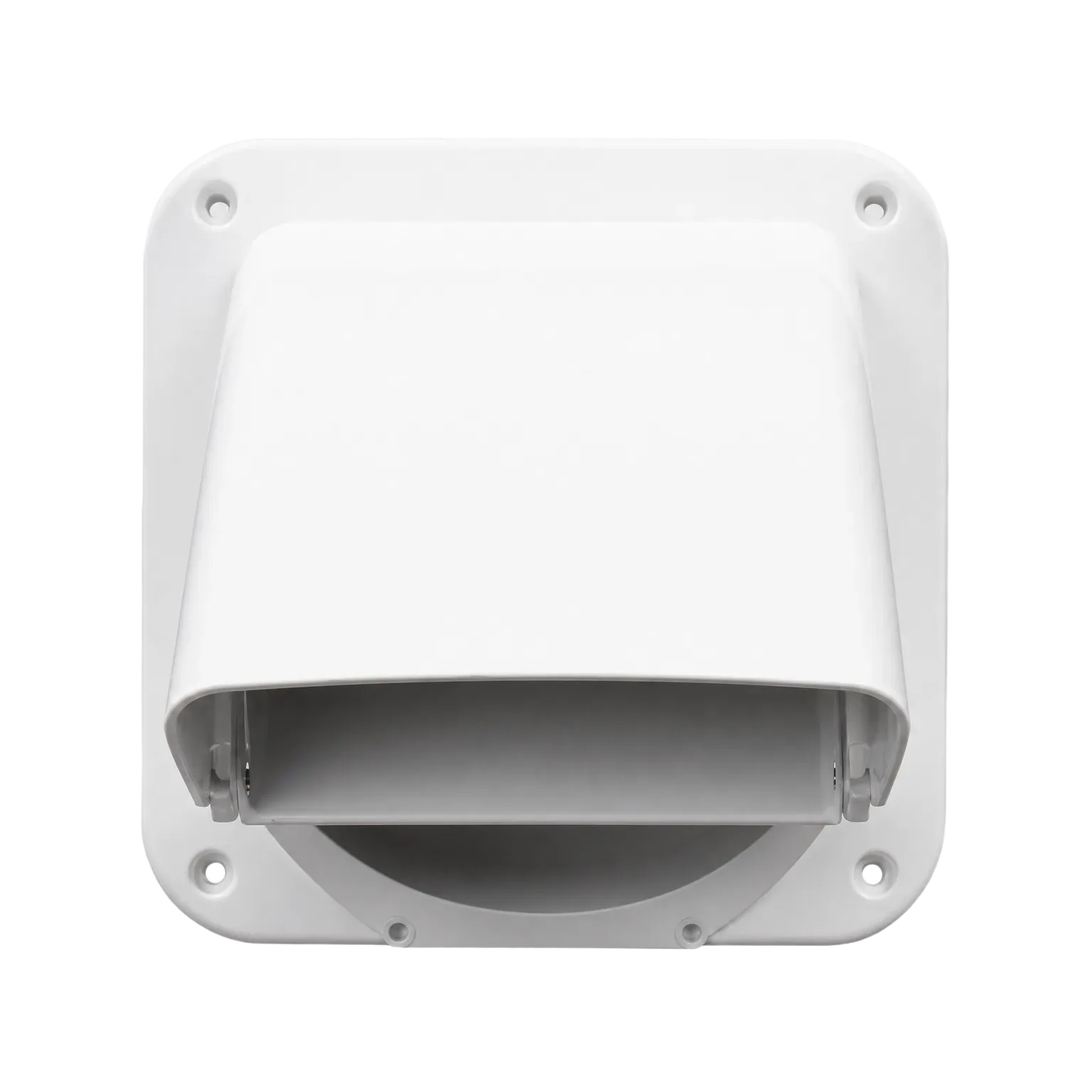
A white plastic wall vent with a square mounting flange, hooded cover, and round duct collar visible beneath, shown against a plain light gray background.
Hand it off

Is a clogged dryer vent a fire risk in Wichita, KS?

You run a load of laundry and notice the dryer takes two cycles to dry what used to take one. Maybe the top of the dryer feels hot, or you can smell something warm and dusty when it runs. You've heard that a clogged vent can start a fire, and you want to know if that's really true or just something people say.

Yes, a clogged dryer vent is a real fire risk

Lint is dry and it burns easily. When a vent is clogged, the dryer can't push hot air outside the way it's built to, so heat and lint build up inside the duct and around the drum. That heat has to go somewhere, and a lint clog gives it fuel sitting right where it collects. A dryer that runs hotter and longer than it should is also working its heating element and thermal cutoff harder than they're meant to run. In Sedgwick County, dryers tend to run often with the laundry loads a household goes through all year, which means more lint moving through that vent and more chances for it to pack in tight if the line isn't clear.

A pile of beige and navy towels sits on top of a white top-loading laundry machine in a dim room with a dark wall, wood floor, and a wooden shelf holding baskets and a plant.

It's almost nine on a Tuesday and you're still in the laundry room. The dryer's been running since before dinner, and the towels on top of it are still damp enough to feel cold where they touch your arm. You open the door and the air that comes out is warm, almost hot, and smells faintly scorched, like dust on a light bulb. The lint trap is clean. You checked it twice. Outside, the Wichita wind is pushing against the vent hood, and you wonder if that's what's slowing things down, or if it's something further back in the line you can't see.

Why does lint buildup matter more for your house than the next one?

  • 2.51 people per household on average

    With 2.51 people in the average Sedgwick County household, most homes here run several loads a week, and every load pushes more lint through the same duct.

  • Half the homes here were built by 1978

    Half the homes in this county were built in 1978 or earlier. An older vent run is more likely to use longer ducting or joints that catch lint instead of a straight shot outside.

  • Power here costs 14.59 cents per kilowatt-hour

    At 14.59 cents per kilowatt-hour, a dryer working harder through a clogged vent to dry the same load adds up on the bill long before it becomes a fire risk.

ACS 2020-2024 · EIA-861 2025

The vent that gets cleaned

A homeowner who gets the duct cleaned on schedule keeps the lint moving out with the hot air, the way the system was built to work. The dryer runs one cycle instead of two. The outside hood flap opens all the way when the dryer is running and closes most of the way when it's off. Nothing is pressed up against the duct in the wall, and nobody is pulling foil tape off a joint that's come loose. None of this means a fire can't start somewhere else in the house. It means the one cause tied directly to the dryer, a duct packed full of lint sitting a few feet from a heat source, isn't sitting there waiting.

The vent that doesn't

A duct that never gets cleaned narrows a little more with every load until the air barely moves through it. The dryer runs hot because the air has nowhere to go, and that heat has nowhere to go either except back into the lint packed against the duct wall. You notice the smell before you notice the time, that warm dusty smell that wasn't there a year ago. You've been meaning to call someone about it, the way you'd mean to call about a slow drain, except a slow drain doesn't sit next to a heating element for forty minutes at a time. Nothing has gone wrong yet. That's the part that makes it easy to keep putting off.

A smiling man in a dark green shirt over a white t-shirt sits at a kitchen counter with a dark mug, looking off to the side, with shelves, plants and a bright living area behind him.
A man in a gray long-sleeve waffle-knit shirt smiles and looks off to the side in a kitchen with open shelving, a refrigerator, a wooden sideboard with a potted plant, and a glass door to the right.
A man in a dark green ribbed sweater stands smiling and looking off to the side beside a stone kitchen counter with a ceramic mug, with a dining table, pendant lights, and large windows in the background.
A bearded man in a gray long-sleeve shirt stands smiling and looking off-camera beside a kitchen counter with a white mug, with a living room, fireplace and wall-mounted television behind him.
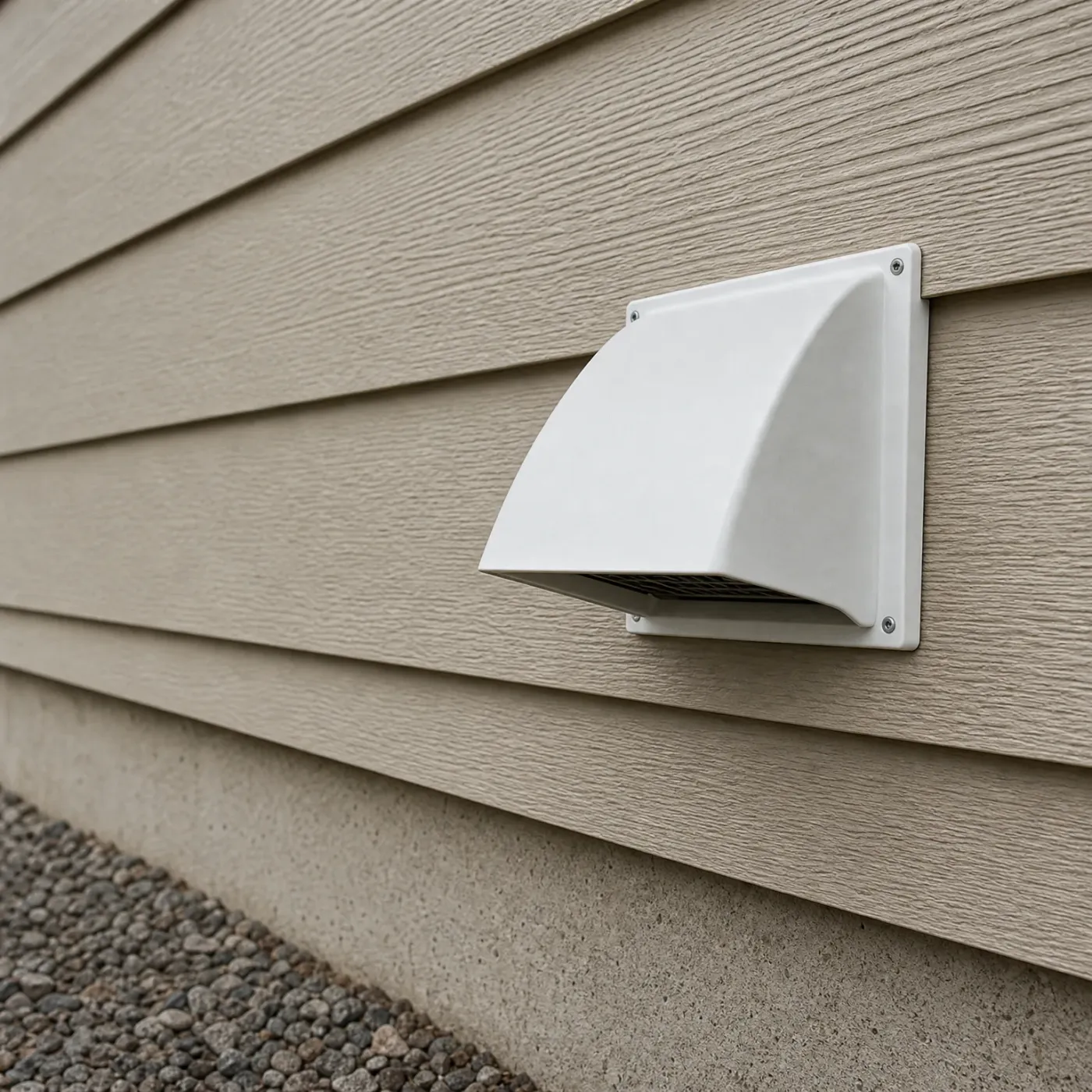
A white hooded exterior vent cover with a screened opening mounted on beige lap siding above a concrete foundation and gravel strip.

One request and it's handed off

Skip searching for someone who cleans dryer vents in Sedgwick County.

Once you send the form, finding a pro is off your list.

Hand off the search

No fee to send it, and nothing to sign.

What is a clogged vent actually doing to your house

Run your hand along the duct behind the dryer. If it's warm to the touch, or the laundry room holds heat and a faint burnt-dust smell after a cycle, air isn't making it outside the way it should. Check the outside hood while the dryer runs. A flap that barely lifts, or lint caught in its edges, means the same air is backing up somewhere between the dryer and the wall. That backed-up air carries heat and lint together, and lint is what catches. It's the leading cause of house fires tied to a single appliance, and the risk sits right there in the laundry room, behind a machine you run several times a week.

A white plastic hooded dryer vent cover mounted with screws on beige horizontal lap siding, next to a plain pale wall surface.

Why lint catches instead of blows out

Lint is cotton and polyester fiber, and both ignite at well under the temperature a dryer's heating element reaches. As long as air keeps moving through the duct, that fiber rides along and exits through the hood. Once lint packs the duct tight enough to slow the airflow, the fiber that keeps arriving has nowhere to go. It sits against a heating element that doesn't know to shut off, packed tighter with every load.

A metal louvered exterior vent hood screwed to a beige horizontal lap siding wall, with a blank light-colored surface filling the left half of the frame.

The hood flap tells you something

Go outside while the dryer runs and look at the vent hood. It should swing open and stay open, pushed by the air coming through. A flap that barely lifts, or opens partway and drops back, means the duct behind it is already restricted. Dryer vent fires most often start right at that blocked point, where trapped lint sits closest to the heat. A flap that won't fully open is worth checking before the next load, not after.

A closed laptop and a ceramic mug of dark coffee sit on a wooden table, with a blurred kitchen counter, potted plant, wooden utensils and cutting boards, and a large window in the background.

What a cleaning actually clears out

A duct cleaning doesn't just vacuum the first few feet behind the dryer. The work runs the full length of the vent, from the back of the machine to the hood outside, because lint builds up anywhere the air slows down: at bends, at the seams where sections join, and right at the hood flap itself. A tech runs a brush or a rotating whip through the line to knock the lint loose, then pulls it out with a vacuum rated for the job, checking that the hood flap swings open freely once the line is clear.

Finding someone who does this right isn't always simple. You'd normally be looking up companies, calling a few to ask if they actually run the line length or just clean the first few feet, and then sitting with quotes that don't explain what's included. Send the form on this page and that search is off your plate. You get matched with a licensed contractor near Wichita who does this work, and you go straight to booking instead of sorting through who's worth calling.

A shallow dark wooden bowl and a stack of books rest on a wooden table in front of a beige sofa with linen and green cushions, with a tall ceramic vase of thin branches beside a window in the background.
A white hooded exterior vent cover with a mesh screen mounted on gray lap siding above a concrete foundation.

The hood with a clear opening

Air moves through this one without a fight. The flap opens when the dryer runs and closes when it stops, keeping rain and pests out the rest of the time. Screws at the corners hold the back plate flat against the siding, nothing loose, nothing blocking the screen.


A white plastic hooded dryer vent mounted on beige lap siding, with gray lint clogging its louvered opening and hanging below it.

The hood packed with lint

This flap can't sit closed anymore. Fiber hangs off the edge of the hood and more is packed behind it, so the air the dryer pushes out has nowhere to go but back up the duct. That's the buildup sitting against a heating element every time you run a load.

A smiling bearded man in a green t-shirt sits on a gray sofa, looking down toward a device at the bottom of the frame, with a bookshelf and a green plant blurred behind him.
A bearded man in a plaid flannel shirt looks out a window at snow-covered conifer trees, with a steaming ceramic mug on the sill and wooden shelves holding dishes and a plant behind him.

A duct cleared before the holidays runs the way it's supposed to. The dryer finishes a load in one cycle, the hood flap outside swings open wide when it kicks on, and the laundry room stays close to room temperature start to finish.

A duct left alone runs hotter every month that passes. More loads push more lint through the same narrow path, the dryer works harder to push air through it, and the margin between a dryer that's just inefficient and one that's a fire risk keeps closing.

2.51 people per household on average

At 2.51 people, your household is probably doing laundry most days of the week, not once on a Sunday. Each load adds lint to the same stretch of duct, so the buildup happens faster than you'd guess from how new the dryer is.

ACS 2020-2024

Where things stand now

  • A clogged dryer vent lets heat and lint build up instead of venting outside, and that is a real fire risk, not a maybe.
  • The warning signs are simple to check yourself: a hot duct, a hot top panel, a load that takes two cycles, a burnt-dust smell.
  • Sedgwick County households average 2.51 people, which means frequent loads and faster lint buildup than the dryer's age would suggest.
  • A full cleaning clears the whole run from the back of the machine to the outside hood, not just the first few feet.
  • Finding a contractor, checking licenses, and comparing quotes takes time you'd rather not spend chasing down a vent problem.
  • Once this is handled, the vent moves air the way it was built to, and the risk that came with the clog goes with it.

A clogged dryer vent is a fire risk. That's the answer, and nothing in how your dryer's been acting changes it. The two-cycle loads, the warm duct, the smell when it runs, those are the vent telling you air isn't getting outside anymore. Lint sits where it shouldn't, close to a heating element that runs well above the point lint catches fire. With 2.51 people in the average Sedgwick County household, laundry runs often enough that this buildup happens faster than most people expect, regardless of how new the dryer is.

None of this means the fix is complicated. It means the duct needs to be cleared the whole way, from the back of the machine to the hood outside, so the air moves the way it's supposed to again. What it takes from you is different: finding someone licensed to do it right, calling around to check availability, explaining the same symptoms more than once, and sitting with quotes trying to figure out who's worth the call. That's the part that eats an evening, not the cleaning itself.

Once that search is handled, you're not the one tracking it down anymore. The vent gets cleared, the dryer goes back to running one cycle, and the risk that came with the clog goes with it. You already know what the warm duct and the long cycle were telling you. The rest is just getting someone out to clear it.

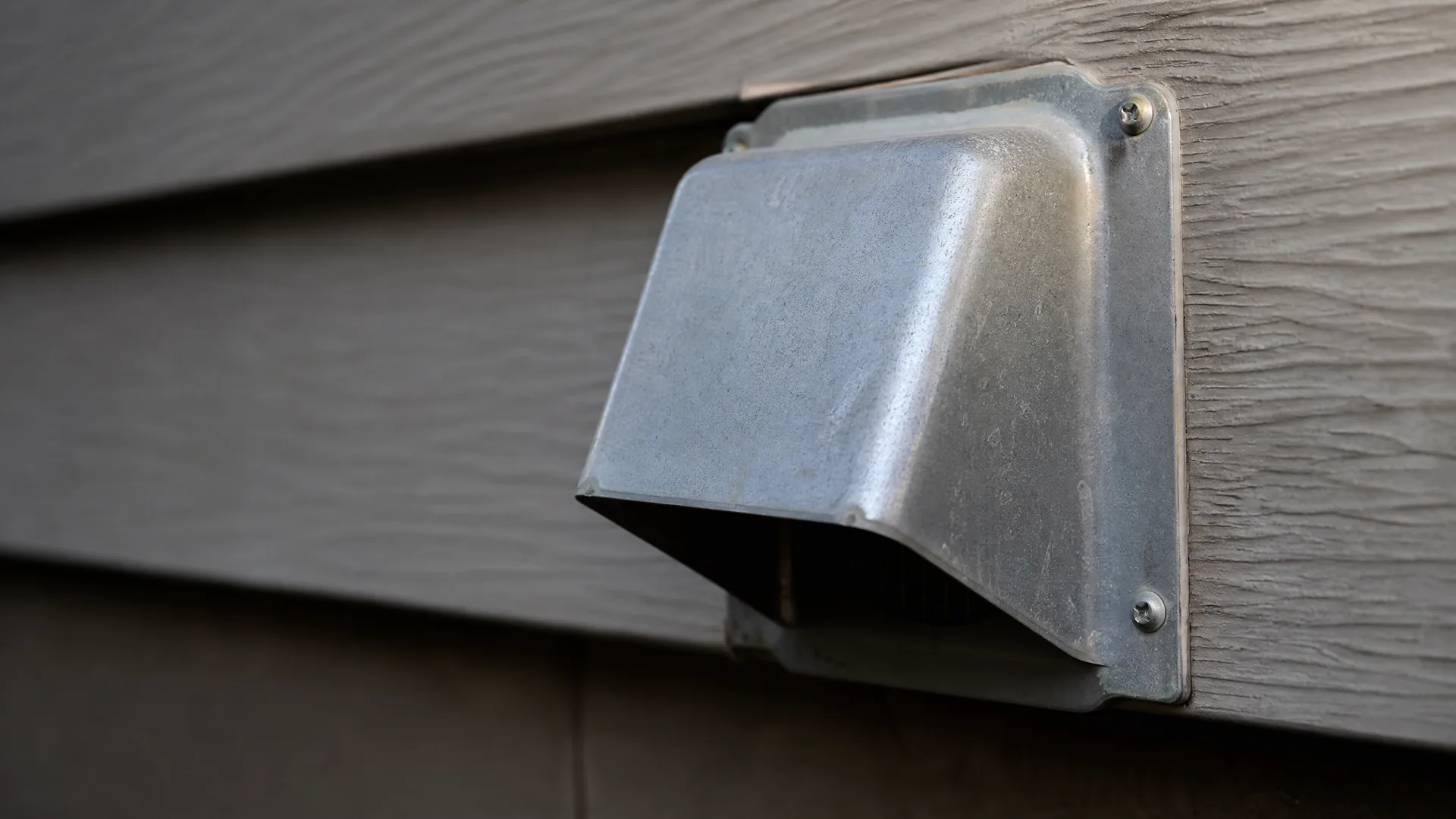
A galvanized metal hooded dryer vent screwed to gray lap siding on an exterior wall.

Done looking for a dryer vent pro

Duct and vent cleaningSedgwick County, KS
Step 1 of 3

What kind of equipment?