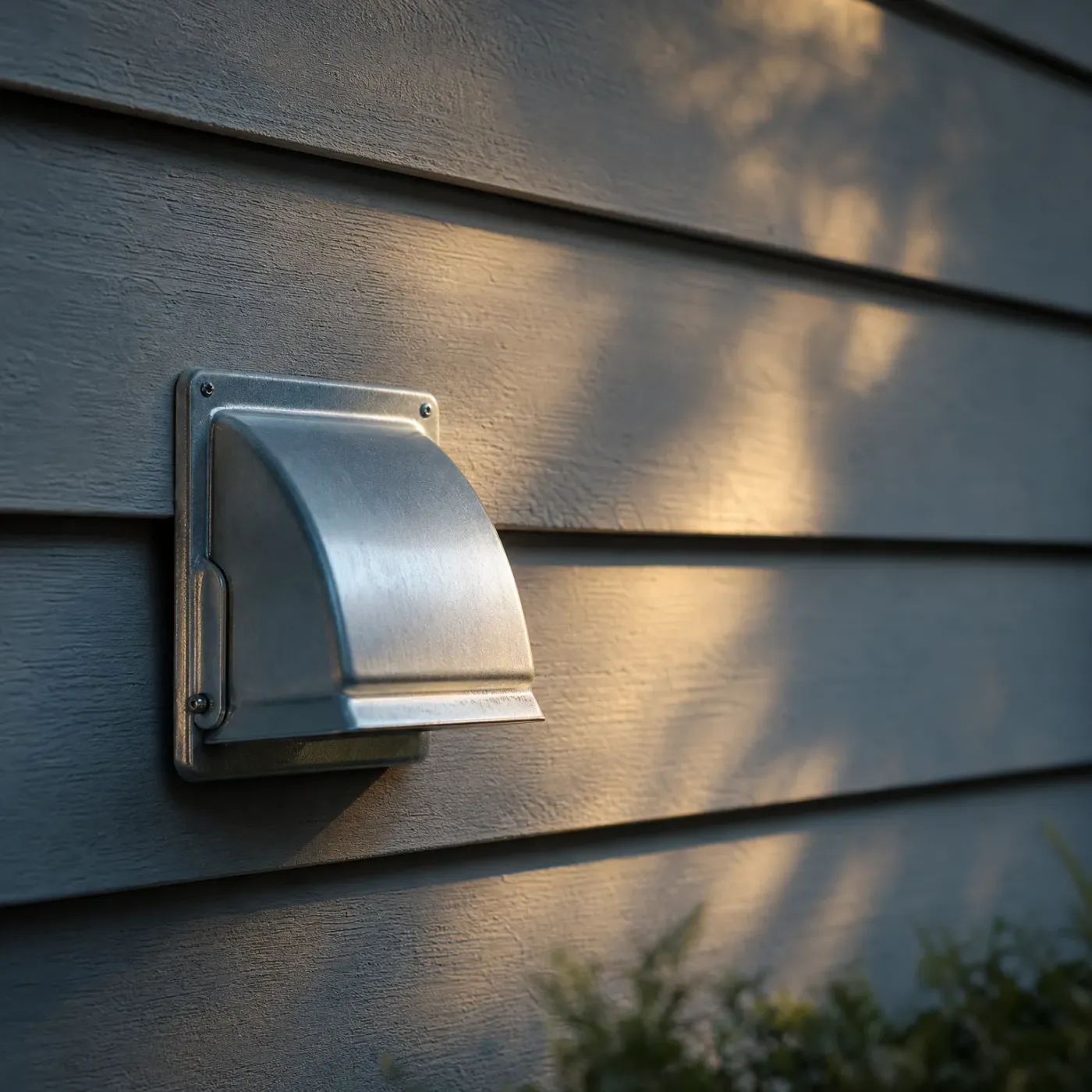
Vent hood clear and open
This is what a dryer vent should look like. The louvers swing open when the dryer runs and fall shut when it stops, and air moves through without resistance. A vent like this lets the dryer finish a load in one cycle.
Get matched with a dryer vent pro in Sedgwick County
A dryer that runs two or three cycles to finish a load usually isn't broken, it's clogged somewhere between the drum and the outside wall. That's especially true in Sedgwick County, where lint builds up fast and long summers add humidity to the mix. This page gets into what causes it and what to check first, then matches you with a contractor instead of you calling around and explaining the problem over and over.
Match me with a proA dryer that takes forever usually means the air it needs to push out isn't getting out. Every dryer dries by moving a steady stream of hot air through wet clothes and out through the vent. When lint packs the vent line, that airflow slows down, so the drum fills with damp air instead of fresh hot air, and the moisture has nowhere to go. The heating element or gas burner is working fine. It's just heating air that can't leave the system fast enough to carry moisture out with it. In Sedgwick County, long humid summers add to the load, since the air coming into the dryer already carries more moisture than it would in a dry month. A dryer stuck like this costs more to run every time you use it, and a vent packed tight enough is also a fire risk. If your dryer runs a second or third cycle most weeks, the vent line is the place to check first.
2.51 people per household on average
Your household here runs about 2.51 people on average, census figures show, which means more loads through the dryer each week and more lint moving through that vent line.
Half the homes here were built by 1978
Half the homes in Sedgwick County went up in 1978 or earlier, census figures show, and an older vent run is more likely to have joints, turns or sagging duct where lint collects.
Power here costs 14.59 cents per kilowatt-hour
Electricity here runs 14.59 cents per kilowatt-hour on average. A vent choked with lint makes the dryer run longer to finish a load, and every extra cycle adds to that rate.
ACS 2020-2024 · EIA-861 2025
You can pull the dryer from the wall, disconnect the vent at the back, and run a brush rated for dryer vents through the line from both ends. A long enough brush kit reaches most of the run between the drum and the outside wall. You'll want to vacuum out what the brush knocks loose, then check the outside hood to make sure the flap opens freely when the dryer runs. It takes some time and a bit of upper body work to push a rod through a vent that bends more than once, and if your line runs a long distance or turns more than a couple of times, a shop vacuum and brush may not reach the clogged section at all.
A contractor who does this work brings equipment built for longer and more complicated runs, including rotary brushes and cameras that show what's actually inside the line. That matters if your vent run is long, has several bends, or climbs through an attic before it reaches outside, since those are the setups where a basic brush kit falls short. It also means you're not the one climbing on the roof to check the vent hood or pulling the dryer away from a tight laundry closet. Getting matched with someone who services Sedgwick County homes skips the work of searching out a vent cleaning company, calling a few, and comparing what each one says they'll do before you pick one.




A dryer only makes heat when it can confirm air is moving past the heating element or burner. That's a safety check, not a preference. When the vent line is restricted, less air moves past the heat source, so the thermostat cuts the heat off sooner than it should, even though the drum is still turning. The load feels like it's drying, but the air doing the work is weaker than it was a year ago.
Behind the lint trap, the exhaust line carries whatever lint the trap missed. That lint rides the airflow until the air cools, usually near the outside wall, and sticks to the duct wall there. Flexible foil or plastic hose makes this worse, because it sags between the dryer and the wall, and lint settles at every low point instead of blowing straight through. Rigid metal duct run in as straight a line as possible gives lint far fewer places to catch.
You can check the outside vent hood yourself. Run the dryer and look at the flap. It should swing open wide while the dryer runs and fall shut when it stops. If it barely lifts, something behind it is already restricting the airflow the whole system depends on.
None of this happens all at once. Drying time climbs in steps as the line narrows, which is why a load that took 40 minutes last year can turn into two full cycles before anything seems obviously wrong. If the heat is also cutting out partway through a cycle, a thermal fuse near the exhaust duct may have already blown, and that part doesn't reset itself.
With close to three people in a typical Sedgwick County household, your dryer is likely running a load most days. Each one pushes more lint through the vent line, so the buildup that slows drying time adds up faster than you'd expect.
ACS 2020-2024

This is what a dryer vent should look like. The louvers swing open when the dryer runs and fall shut when it stops, and air moves through without resistance. A vent like this lets the dryer finish a load in one cycle.

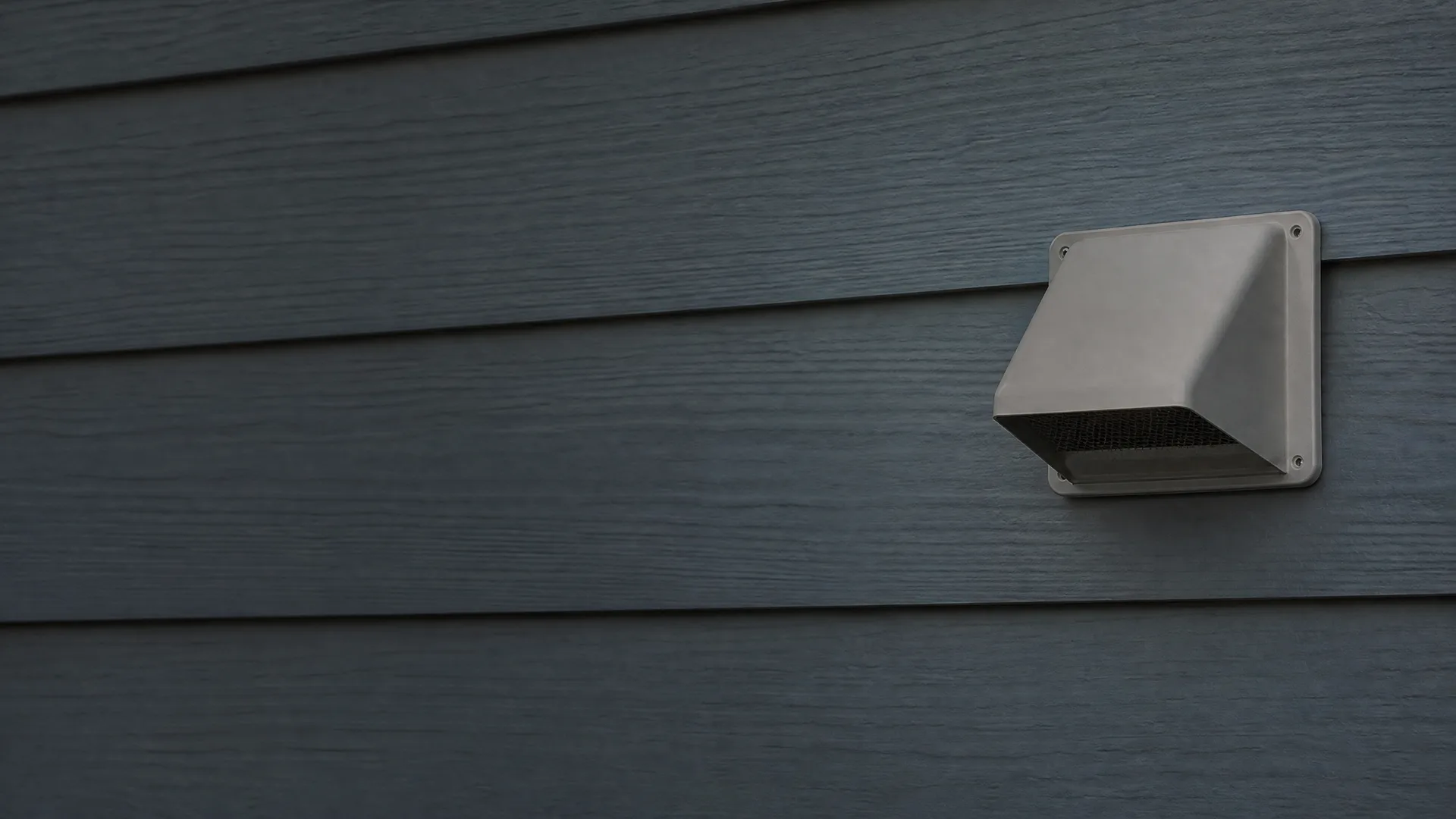
Lint has built up around the opening until the louvers can't sit flat or swing open all the way. Air backs up into the duct instead of escaping outside, and the dryer has to run longer, sometimes several cycles, to get clothes dry.


A dryer that keeps running long after it should be done isn't going to fix itself, and every extra cycle is pushing more hot, moist air into a vent line that's already struggling to clear it. Figuring out whether the problem is lint packed in the duct, a crushed section behind the wall, or a bird's nest in the outside hood takes someone who can get into that line and look. Finding that person yourself means searching, calling a few numbers, explaining the same thing more than once, then waiting to see who calls back and sorting through quotes that don't tell you much next to each other. Sedgwick County summers are already long and sticky, and a vent that can't move air works harder every month that passes. Handing this off now means one contractor who works in your area takes it from here, and you stop carrying the problem around by yourself.
Wet clothes tumble while the burner heats the air drawn into the drum.
Hot air pulls moisture from the clothes as the drum turns.
Moist air pushes out through the duct toward the outside wall.
A clogged duct traps that moist air, so the thermostat cuts the heat early.


You reach in after the cycle ends and the clothes are still damp, or warm but not dry. The dryer feels hotter to the touch than usual, especially around the front panel. The room it sits in gets muggy by the time the load is done, and you might catch a faint burning smell when it first kicks on. Towels and jeans take the longest, since they hold the most water. You end up running a second cycle just to finish the load, and sometimes a third. Left alone, a dryer working this hard stays hotter than it should for longer stretches, and that heat has nowhere to go but back into your laundry room.

A dryer vented straight out through a nearby wall has it easier. The duct stays short, there's less of it for lint to collect in, and the air the dryer pushes out has a short trip to make. A setup like this will often get a load dry in one cycle for years before it needs its first cleaning. If your dryer sits against an outside wall, this is probably what you have.
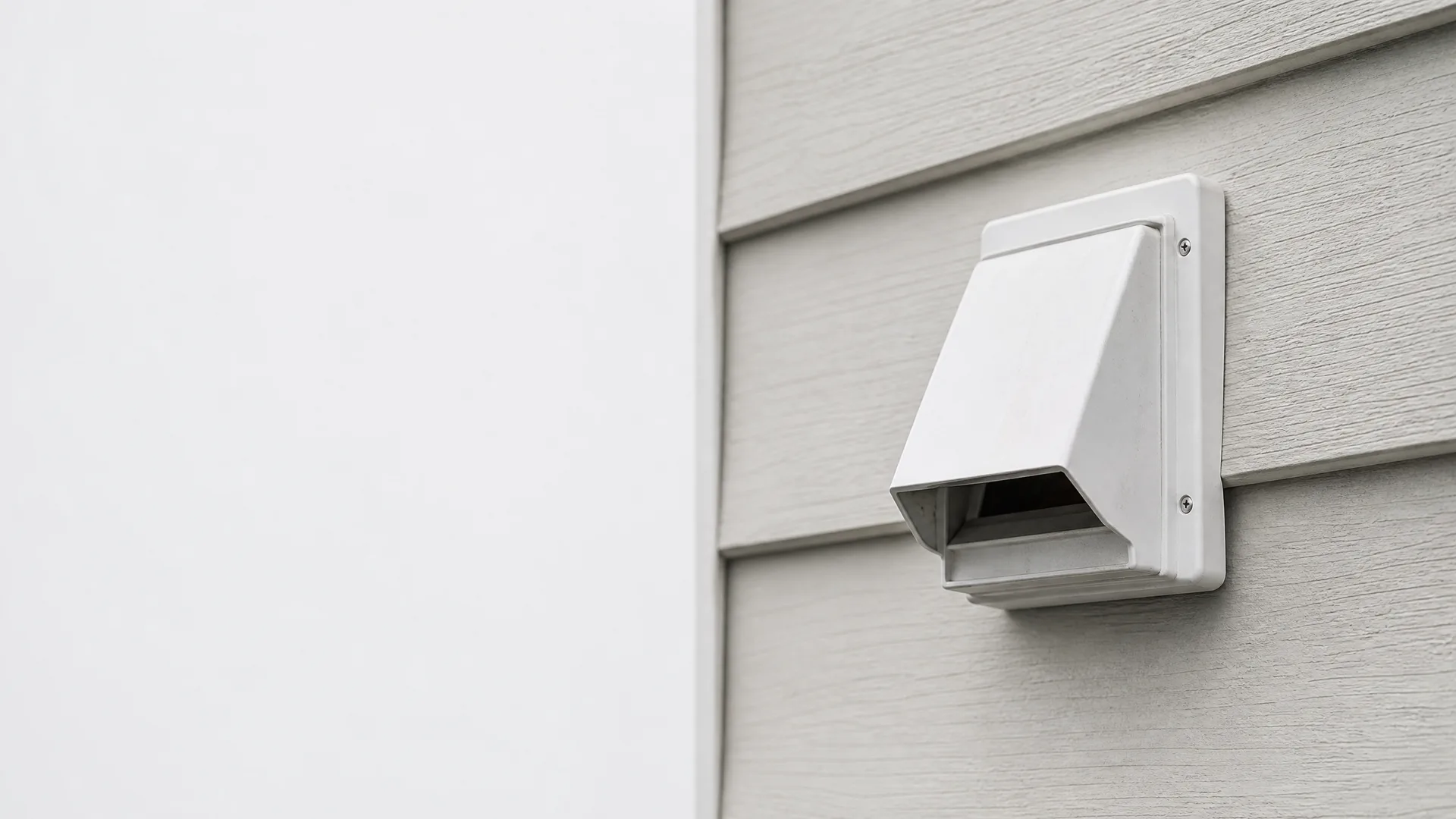
Some dryers, especially ones in a basement or an interior laundry room, vent through 20 feet of duct or more, sometimes with turns before the air ever reaches outside. Every foot and every turn gives lint more places to catch. A run like this needs cleaning more often than a short one, and if it's never been cleaned, it's a likely reason your dryer is running long.

A dryer that needs two or three cycles to finish a load is pointing at a blocked vent line, not a worn-out machine. That holds true whether it's a short run straight through the wall or a longer one that bends through the house. The air isn't getting out, so the moisture stays in, so the clothes stay damp. Once the line is clear, the dryer goes back to finishing a load the way it's supposed to.
You don't have to figure out on your own whether the problem is lint packed in the duct, a crushed section of pipe, or a vent hood that won't open. A contractor who works on vent lines in Sedgwick County can look at your setup and tell you which one it is. Getting matched with one means you skip calling around, explaining the same problem three or four times, and sorting through quotes yourself. You describe what's happening once, and the contractor who reaches out already knows what they're walking into.

Fill out one short form instead of calling around.