Birds nesting in a dryer vent in Lawrence, KS

One request and the dryer vent cleaning stops waiting on you.

Hand it off

A bird in your dryer vent usually means a nest, and it happens because the vent hood flap sits a few feet off the ground or up near the roofline, warm, dry, and out of the weather. Sparrows and starlings especially will work twigs and dryer lint into that opening every spring, and if the flap doesn't close all the way, they get in. Once the nest is built, the vent is partly or fully blocked, so your dryer takes longer to dry a load and runs hotter than it should. That heat has nowhere to vent, which is a fire risk, and it's worse with a gas dryer, since blocked exhaust means combustion fumes are not clearing the way they're supposed to. If you've heard chirping near the vent, smelled something musty when the dryer runs, or noticed clothes coming out damp, the nest likely needs to come out before you run another load.

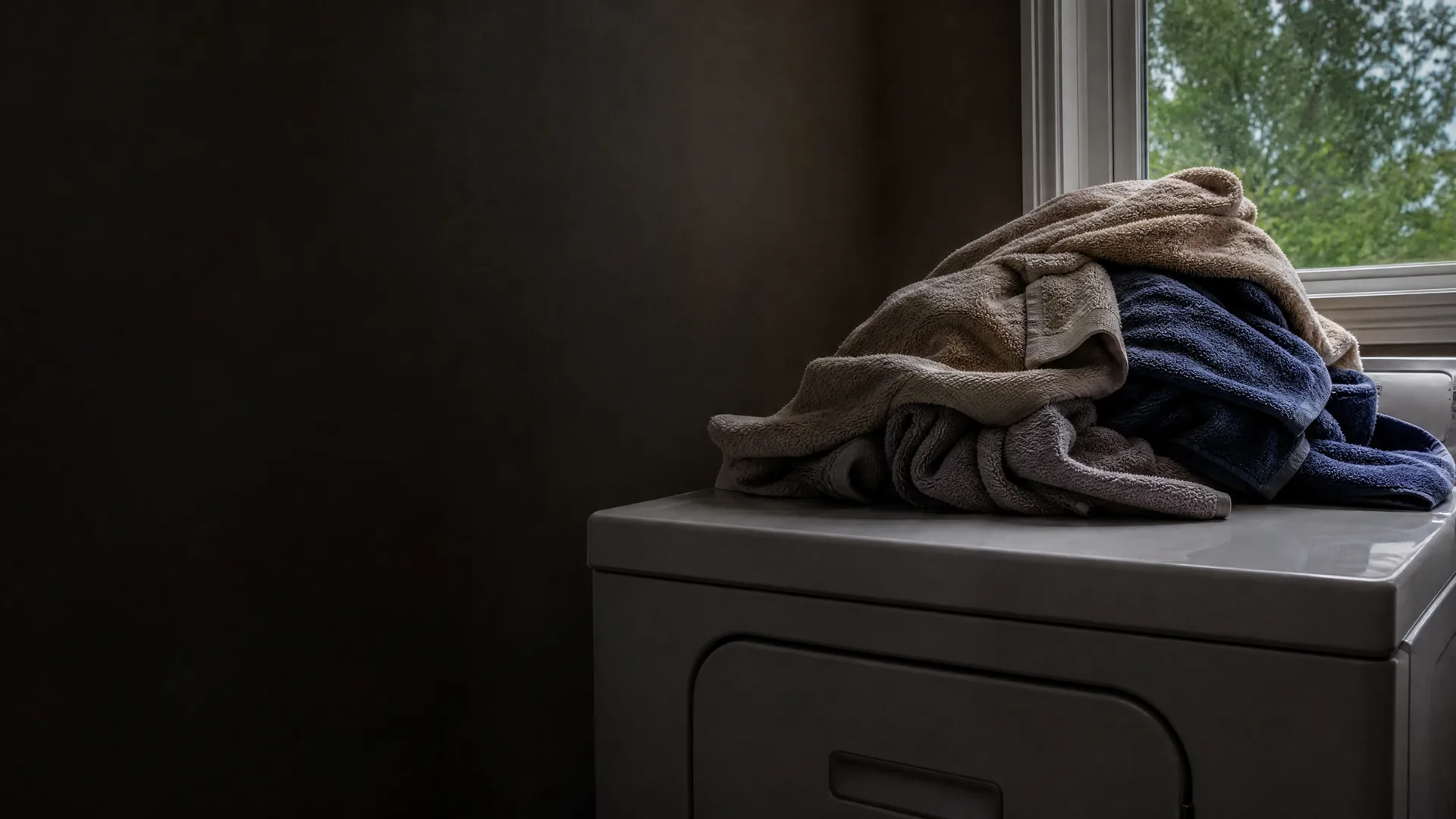
A pile of beige, blue, and gray towels sits on top of a white dryer beside a window with green foliage outside, against a dark wall.

It's a Tuesday evening and you're pulling a load of towels out, expecting them dry after an hour in the machine. They're not. Still damp, cool to the touch, smelling faintly like wet cotton left too long. You open the dryer again and run it a second time, figuring it's a fluke. Twenty minutes in, you notice the room's gotten warm in a way it usually doesn't, and the dryer's louder than it should be. You crack the door to the garage where the vent runs out and hear a faint scratching behind the wall. The towels sit in a heap on top of the dryer, still too wet to fold.


Clear It Yourself or Call for Help

Clear it yourself

  • You can see the vent hood from the ground on most houses, so you can check for twigs or a flattened nest without climbing anything.
  • Pulling loose nesting material out by hand works if the nest is right at the opening and the bird hasn't been sitting on eggs.
  • A shop vac can reach a foot or two into the duct, but it won't pull lint and nesting material packed further back toward the wall.
  • If the nest has eggs or chicks in it, Kansas law protects most native birds, including sparrows and the migratory species that pass through Douglas County, so pulling it out yourself can put you in violation.
  • Without the right brush and rod setup, it's easy to push material deeper into the duct instead of out of it.
  • A vent hood with a damaged or missing flap will just draw birds back in once you've cleared it, so the problem returns.

Have it cleaned

  • A contractor runs a brush the full length of the duct, from the vent hood to where it ties into the dryer, so nothing gets left behind partway through.
  • They can tell you whether the nest is active and handle the timing and removal so you're not the one deciding whether it's legal to touch it.
  • A blocked vent keeps the dryer running hotter and longer than it should, and a contractor checks for that heat damage while they're in there.
  • They'll check the vent hood flap itself and replace it if it's bent or stuck open, which is usually why birds got in to begin with.
  • This saves you from calling around Douglas County to find someone who handles vent cleaning versus someone who only does duct cleaning inside the house.
  • It also means you're not the one climbing up to the roofline or crawling under the house to reach the vent in the first place.
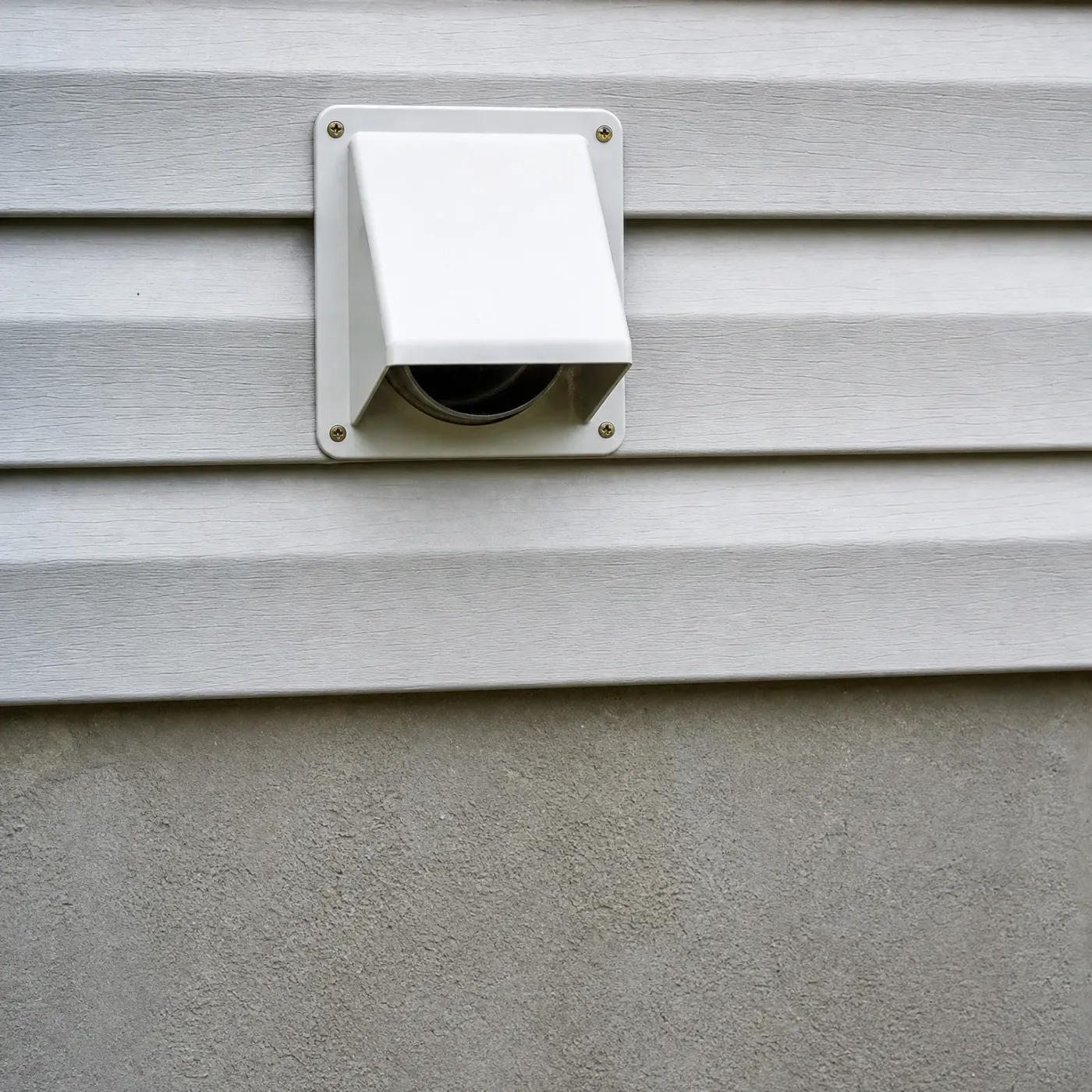
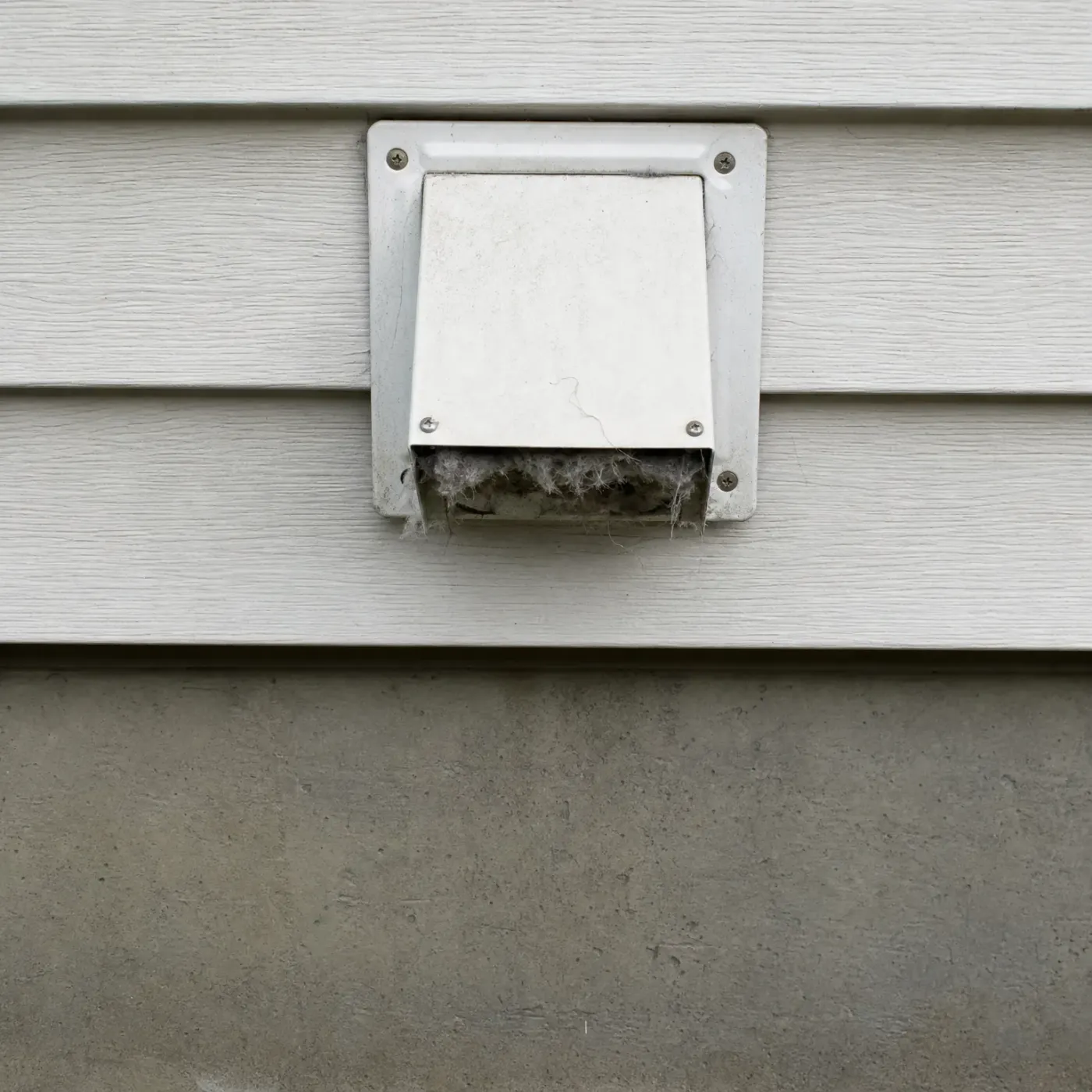
A white hooded dryer vent with a square mounting plate screwed onto light gray horizontal vinyl siding, above a gray stucco-textured lower wall.

Vent working clear

This is what the flap should look like: closed most of the way, swinging open only when the dryer is running. Air and lint pass through and out, nothing sits behind the flap, and the hood stays free of debris you can see from the ground.

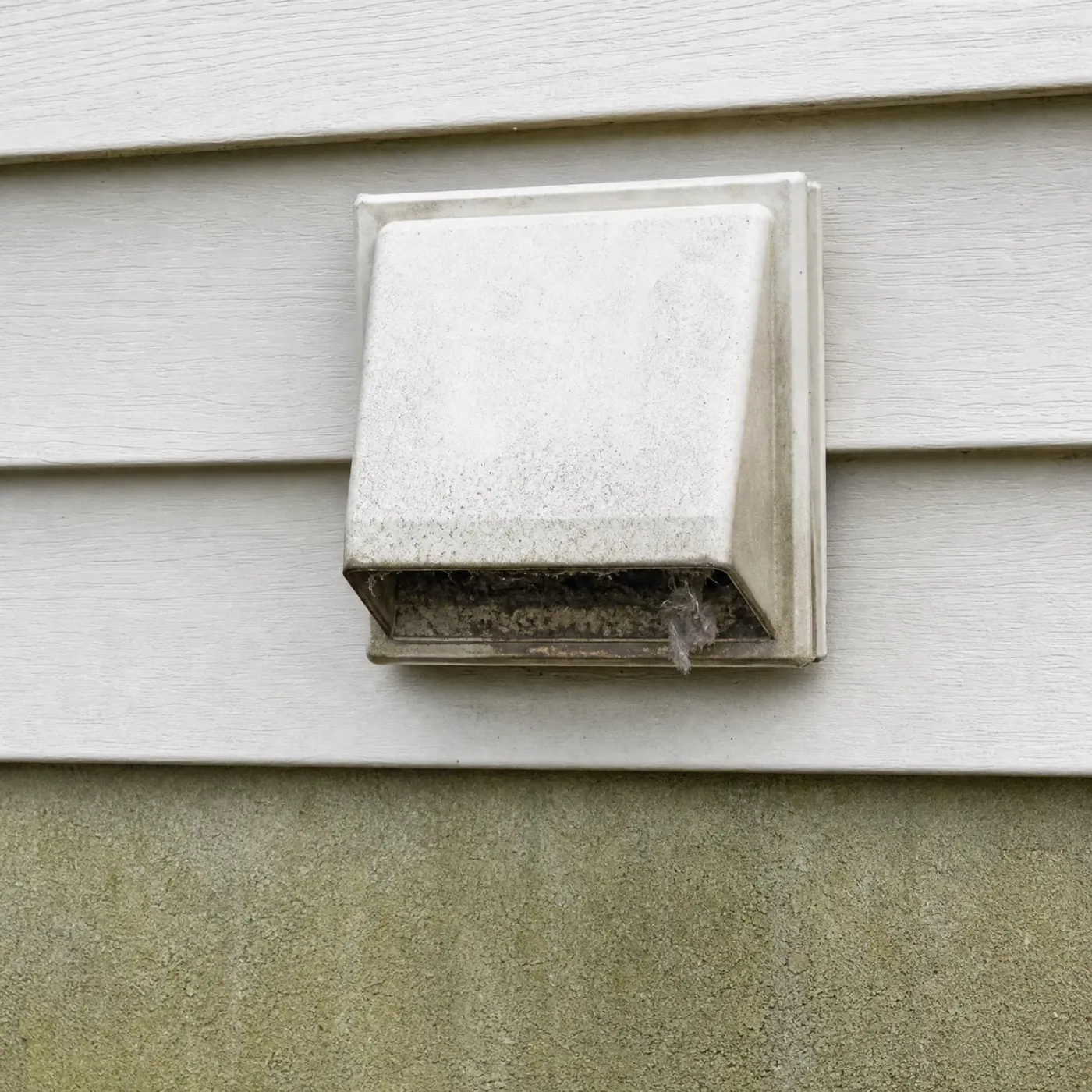
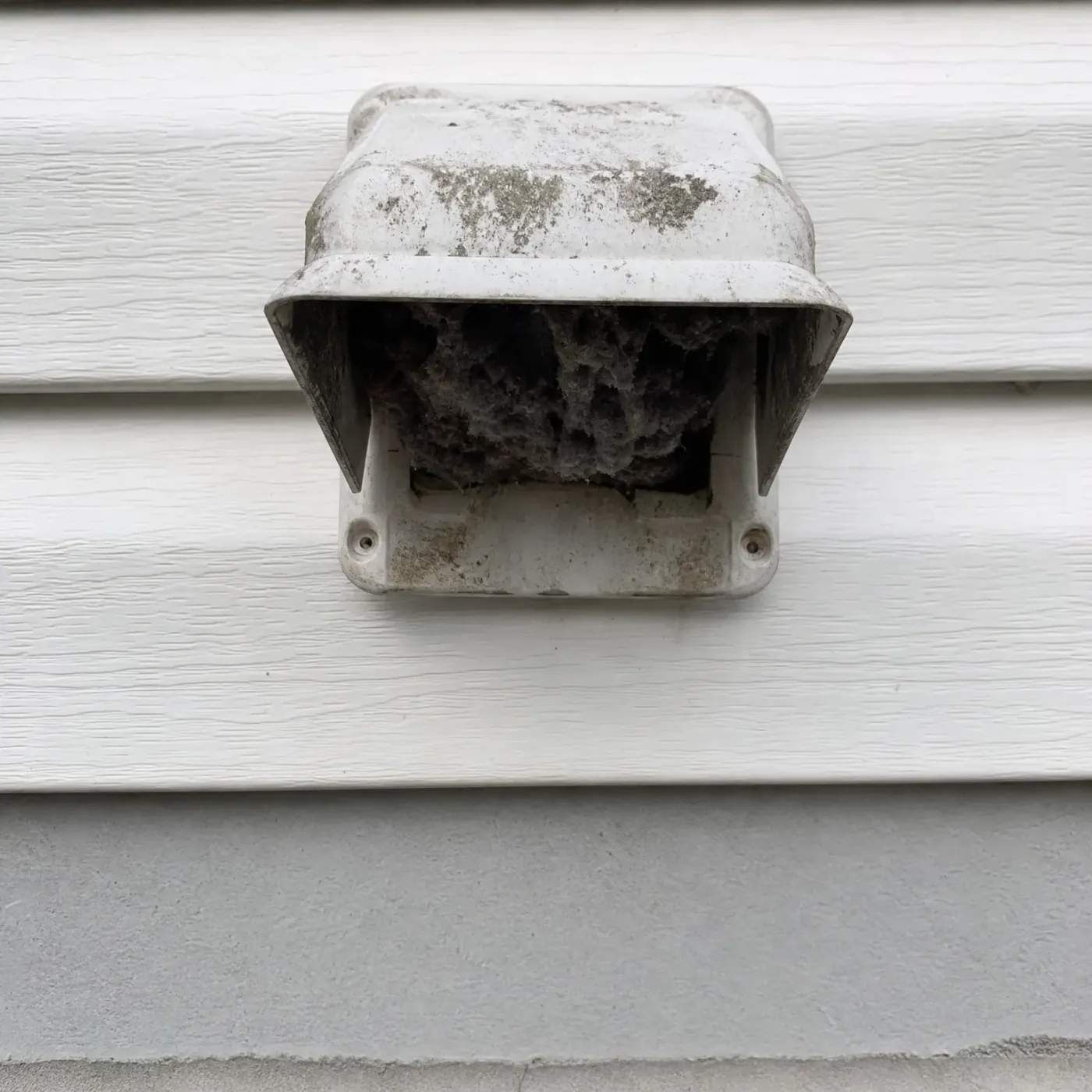
A white plastic dryer vent hood mounted on light-colored horizontal lap siding, with lint caught in its lower opening and a green-stained foundation wall below.

Vent packed with lint

Here the flap can't close. Lint has built up around the opening and a tuft hangs out of it, which means something behind the hood is blocking the airflow. A nest does this fast, and once the flap won't seat, lint keeps collecting instead of blowing clear.

Is that why your dryer's taking forever to dry a load?

Check the vent hood on the outside of your house. If the flap won't close all the way, or you see twigs poking out around the edges, that's your answer. Inside, you'll notice the dryer running longer than it used to, sometimes two cycles for one load of towels. The laundry room might smell warmer than usual, almost like something's baking, because the hot air that should be going outside is backing up into the vent line instead. Lint has nowhere to go either, so it sits in the duct with the nesting material. That combination, trapped heat and packed lint, is how dryer vent fires start. It's worth checking before you run another load.

A man in a gray knit sweater stands smiling and looking off to the side beside a white marble kitchen island, with a dining table, pendant light, and open shelving in the background.
A smiling man with short dark hair and stubble in a gray sweater sits at a stone-topped counter with a white ceramic mug, in a room with a framed picture, a plant, and shelves holding bowls.
A smiling man in a dark navy sweater sits at a wooden kitchen counter with a light ceramic mug, with white tile backsplash, open shelving and a window with potted plants behind him.
A smiling man with dark hair and a beard, wearing a dark green knit sweater, stands at a kitchen counter with a ceramic mug, with an open living room, sofa, armchair and large windows behind him.

A bird doesn't just plug the opening. It builds back into the duct, and everything the dryer pushes out has to fight past that material every time you run a load. The moist air backs up with nowhere to go, and lint keeps collecting behind the blockage because the drum doesn't know the vent is closed off. That lint sits right against dry nesting material, twigs, grass, whatever the bird carried in, close enough to the heating element to catch. The flap on the vent hood can't close around a nest either, so along with being blocked, the duct stays open to rain and freezing air all winter. A nest built in spring often sits there quietly until fall, when you're running the dryer more and the material has had months to dry out and pack down tighter than it was going in. And checking the hood from the ground only tells you about the first few inches. Birds push material farther back than that, so the opening can look clear while the duct behind it isn't.

What a nest does inside the duct

  • A nest blocks the exhaust path, so the dryer's moist air has nowhere to go and backs up into the duct itself.
  • Lint still collects behind the blockage because the drum keeps pushing air and fiber toward the vent whether it can escape or not.
  • That trapped lint sits against nesting material a bird carried in, and both are dry enough to catch if they reach the heating element.
  • The vent hood flap can't swing shut around a nest, so the duct stays open to rain and freezing air on top of being blocked.
  • A nest built in spring can dry out and pack tighter by the time you run the dryer more in fall and winter.
  • Clearing the hood opening doesn't always clear the nest, since birds often push material several feet back into the duct run.
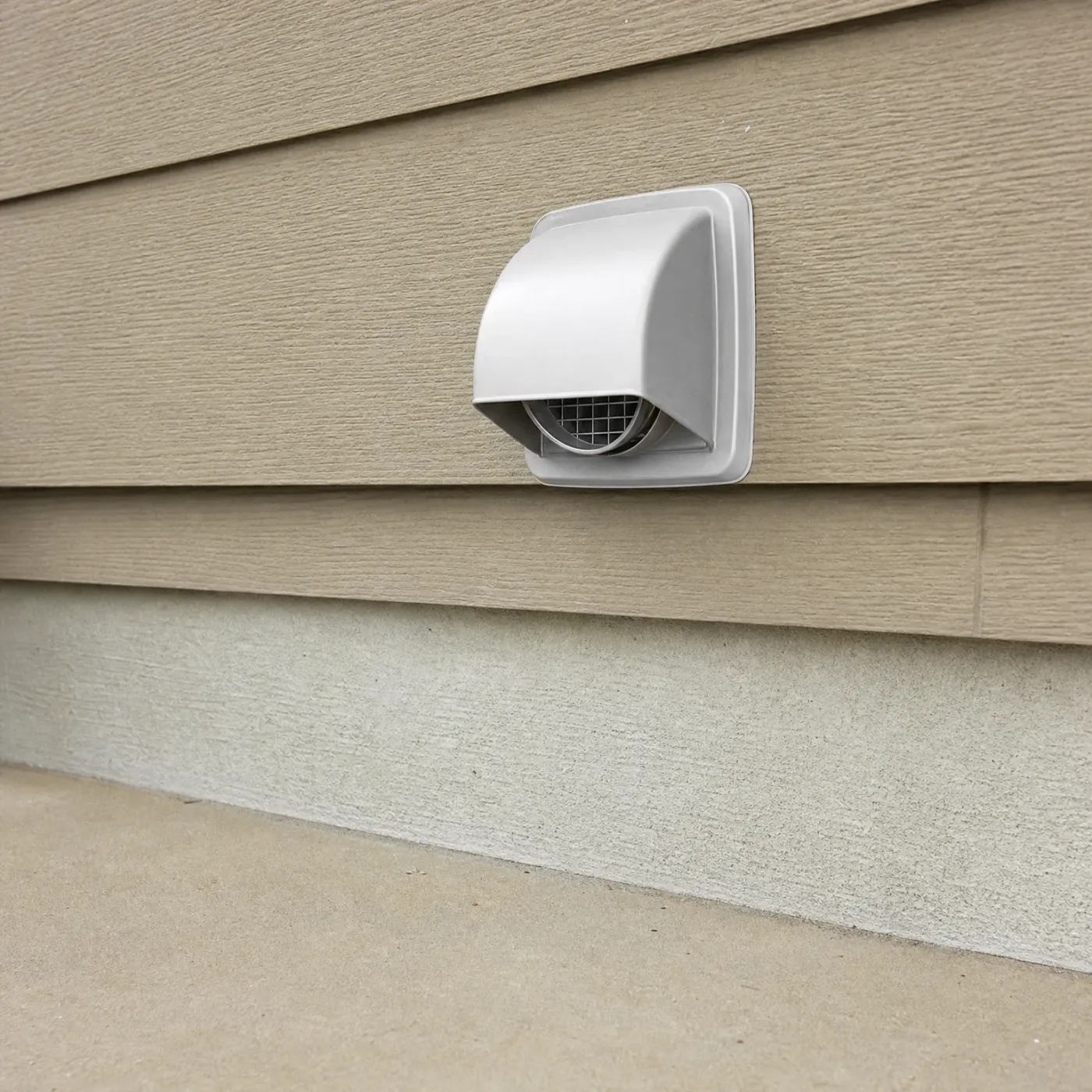
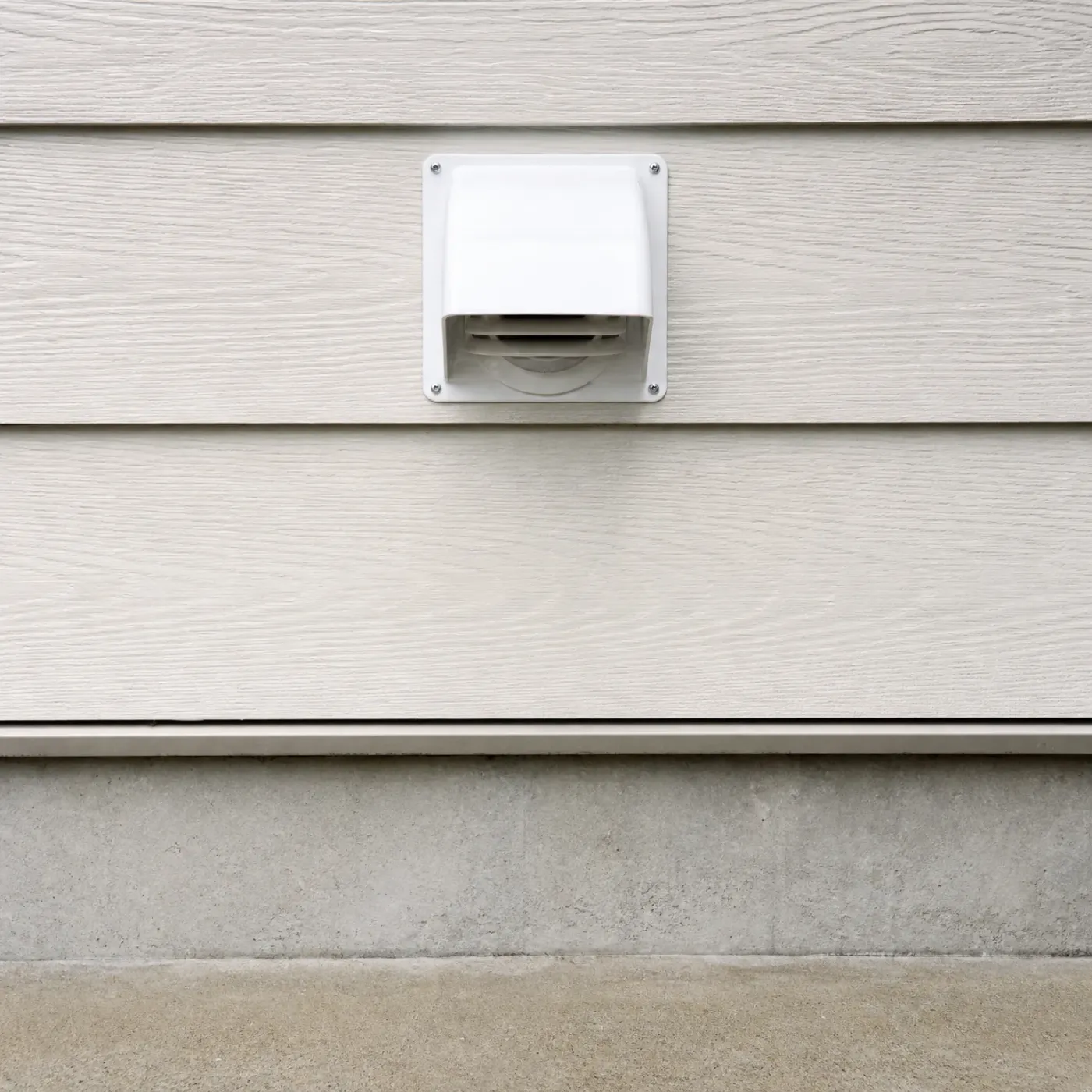
A white hooded dryer vent with a grille mounted on tan horizontal lap siding above a concrete slab.
The flap sits closed except when the dryer runs, and the mesh screen behind it keeps birds out while still letting air past.
A white plastic dryer vent hood with a hinged flap mounted on light grey horizontal lap siding, with lint clogging the opening beneath the flap and a concrete foundation wall below.
Lint has pushed the flap open far enough that it can't swing shut, and that gap is exactly what a bird looks for in spring.
  1. A bird works twigs and lint through the hood flap to build

  2. The nest packs tight against the flap and blocks the duct

  3. Moist air backs up with nowhere to vent outside

  4. Lint builds up behind the blockage instead of blowing clear

A white plastic dryer vent hood on horizontal lap siding, clogged with thick gray lint and dirt, above a lighter concrete foundation wall.
Before you get your dryer vent cleaning
A white hooded dryer vent with a louvered flap mounted on beige horizontal lap siding above a concrete foundation wall.
After you get your dryer vent cleaning

Done looking for a dryer vent pro

A nest in the vent doesn't clear itself out, and running the dryer against it longer just pushes more lint up behind the blockage. You can pull what's reachable from the hood, but if the nest sits further back in the duct, or the bird built behind a bent section you can't see, you're guessing at whether it's actually clear or just quieter for a day. Getting someone out who does this for a living means you're not calling around Douglas County trying to find a contractor who works on vents instead of just dryers themselves, not explaining the same thing to three different answering services, not sitting on quotes trying to guess which one actually knows what they're looking at. You send one request and the rest of that stops being yours to manage. Your dryer still needs the vent open end to end, lint and moist air both, and that's worth confirming properly before next spring's birds find the same opening.

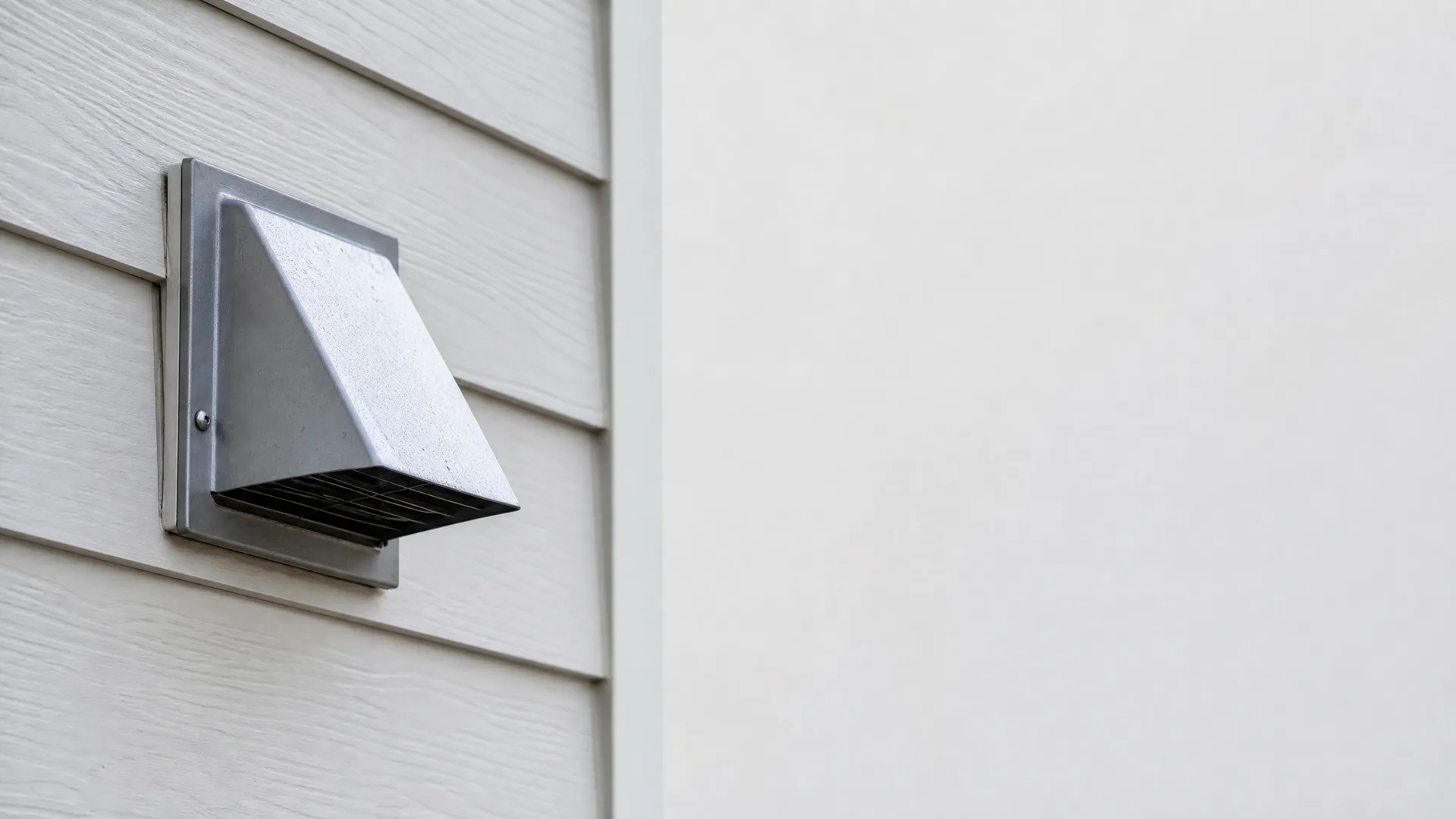
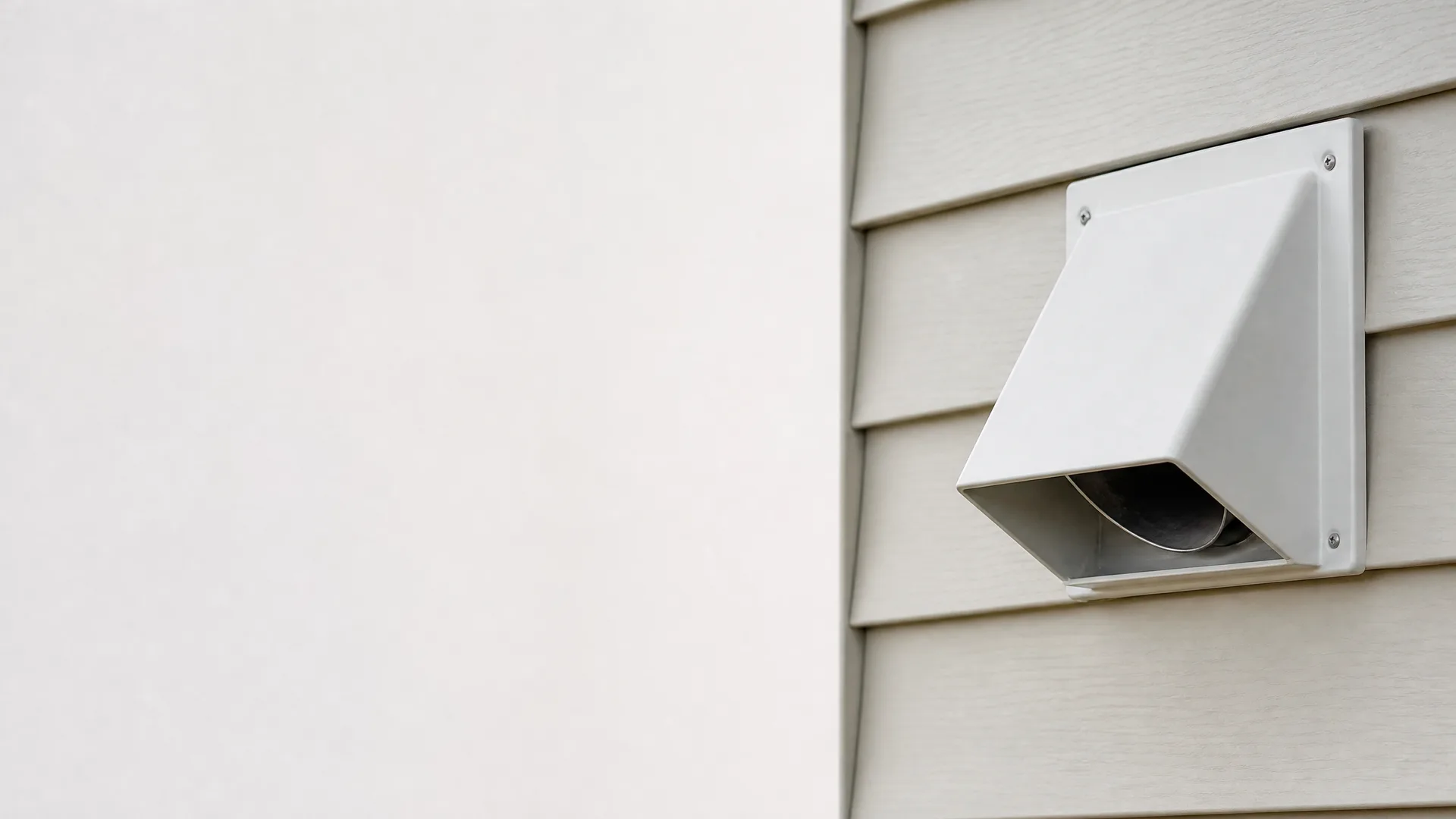
A metal hooded exterior vent cover with louvered underside mounted on light gray horizontal lap siding, next to a plain pale wall at an outside corner.

Spring is nesting season here

Sparrows and starlings start looking for a place to build as soon as the weather turns in Douglas County, usually by March or April. A dryer vent hood that already has lint caught in the flap is an easy mark. That window matters because once a nest is packed in tight, the birds often sit on it, and you're not just clearing lint anymore.

A white hooded dryer vent cover screwed to beige horizontal lap siding on an exterior wall corner, with a blank wall surface at left.

The duct run adds distance

Most dryer vents don't run straight out the back of the house. They turn through a wall cavity, sometimes drop down from an upper floor, and run several feet before reaching the hood outside. A nest built right at the hood is one problem. Lint and nesting material pushed further back into that run, past a bend you can't see or reach, is a different one.

2.21 people per household on average

Most houses in Douglas County hold two or three people, which usually means a load of laundry running close to every day. That's a lot of chances for a weak flap or a lint-clogged hood to catch a bird's attention before anyone notices the vent isn't clearing right.

ACS 2020-2024

You can check the hood yourself from the ground and pull out what nesting material you can reach, and that costs you nothing but time.

If the nest sits deeper in the duct, or the dryer's been running hot and long for weeks, clearing it needs more than reaching into the flap with your hand.

What does a bird in the vent mean for your house?

  • 2.21 people per household on average

    With 2.21 people in the average Douglas County household, laundry runs often, so a blocked vent gets found fast, or it gets ignored through a few hot, long cycles first.

  • Half the homes here were built by 1988

    Half the homes in Douglas County were built in 1988 or earlier. Older vent runs are more likely to use duct sections and hoods that give a bird more places to grab hold.

  • Power here costs 14.77 cents per kilowatt-hour

    At 14.77 cents per kilowatt-hour, power here costs about what it does most places, but a dryer fighting a blocked vent still runs longer and uses more of it than it should.

ACS 2020-2024 · EIA-861 2025

A closed laptop and a ceramic mug on a wooden table in front of a kitchen with green cabinets, marble counter, black pot, cutting board, wooden bowl, and a white vase with greenery.

So that's what's in your vent

A bird built a nest in the hood where warm air used to pass freely, and now your dryer runs long and the air backs up instead of venting outside. That's the whole problem. Clearing it means getting the nest and the lint behind it out of the duct, not just off the flap.

You could spend the next few days calling around Douglas County, asking who even does dryer vent work, checking if they handle nests and not just lint, then waiting on quotes from two or three of them before you pick one. Send the form instead and that search stops being something you have to do yourself.

Interior corner of a living room with a beige upholstered armchair holding a textured pillow and throw, a eucalyptus arrangement in a ceramic vase on a wooden table in the foreground, a blurred glass-front cabinet behind, and a potted plant on a sunlit window sill.
A bearded man in a dark blue T-shirt sits on a gray couch, smiling and looking down to his left, with a bookshelf and a bright window behind him.
A bearded man in a plaid flannel shirt stands indoors looking out a condensation-covered window at a snowy landscape, with a speckled mug on the sill and kitchen shelves behind him.

Dryer Vent Cleaning

It's off your list after this

One form replaces the calls you'd make to find a dryer vent pro.

A black-framed smartphone standing upright against a plain light gray background, its screen filled with solid green.
Duct and vent cleaningDouglas County, KS
Step 1 of 3

What kind of equipment?