
HVAC Installation in Garden City, KS
A new system here will heat from October through April and cool from June through September every year. Tell us about the house, and a licensed contractor who covers Finney County will get in touch.
Tell us about the job
It takes about a minute.
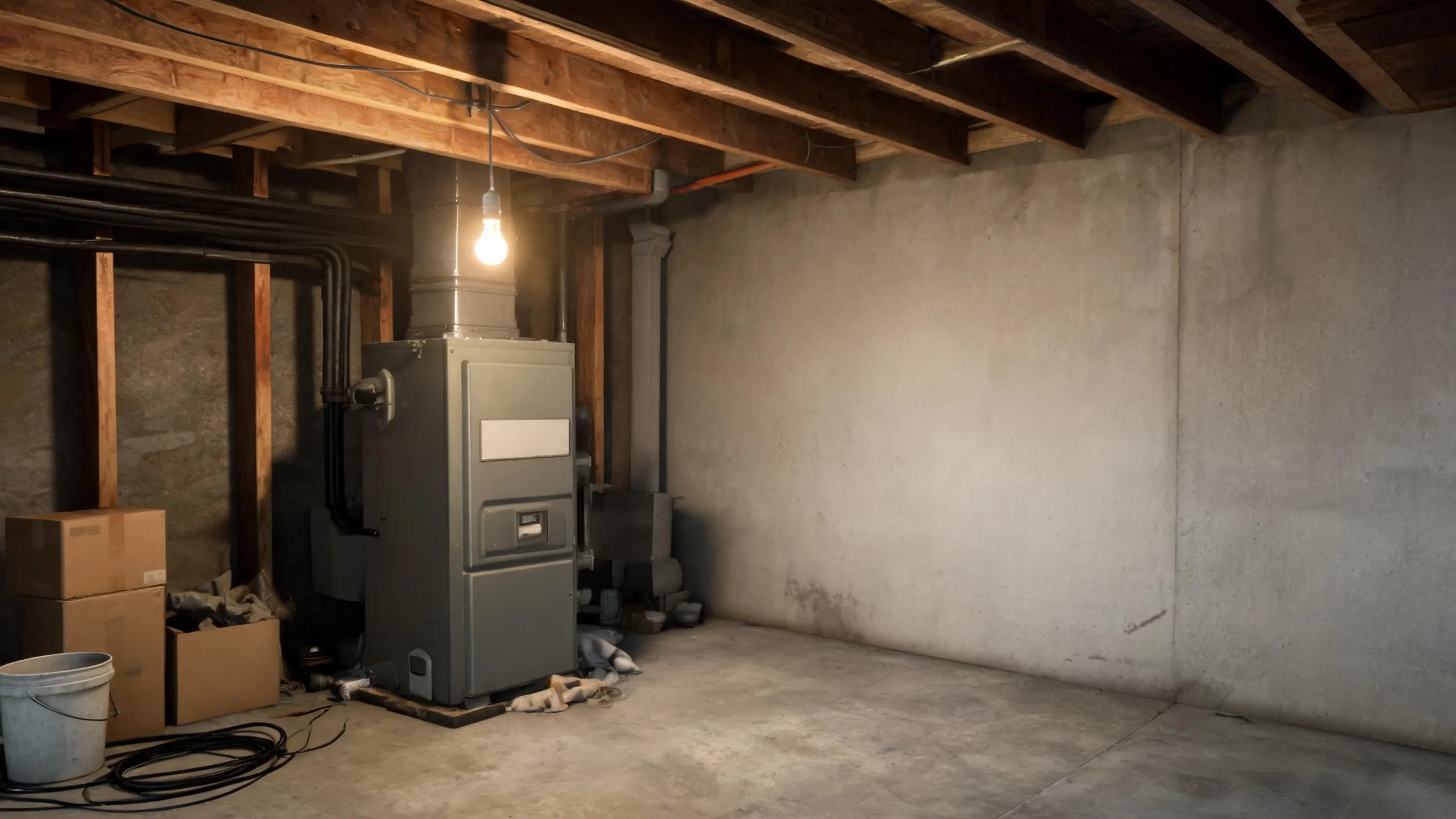
Garden City asks a lot of both sides of the system
Heat runs October through April here, seven months out of the year. Winter nights average 20°F through those months, so a new furnace needs to hold steady through real cold, not just take the edge off. Most homes here already heat with gas, and whatever replaces that system will face the same nights.
Cooling runs shorter, June through September, but summer afternoons average 91°F, so the air conditioner still has real work to do for those four months. Add it up and this county needs heat or cooling eleven months of the year, which means a new system spends most of its life running, not resting. Wind and storms are part of the picture too. Finney County has logged 252 damaging wind events and 21 winter storms over the past ten years, and in Kansas, 19% of households went at least 24 hours without power in 2024. Whatever gets installed should be able to come back on by itself once the power does.
- 7 months
- October through April, your system heats
- 4 months
- June through September, it cools
- 20°F
- the average winter night it heats against
- 91°F
- the average summer afternoon it cools against
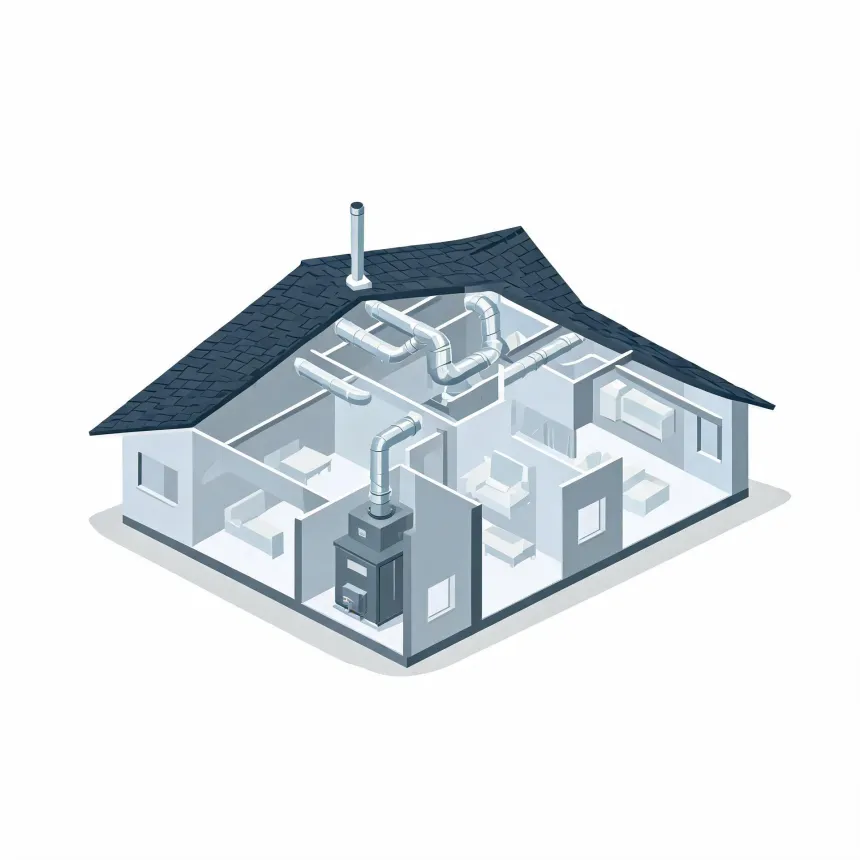
NOAA nClimDiv, 1991–2020 normals
In Kansas, HVAC licensing for homes is left to the counties and cities.
Finney County sets its own rule instead of following a state license, so whether this contractor is licensed depends on the county or the city where the house sits, not on Kansas. There is no state record behind the work, no test the state gave, no number the state keeps on file.
For an installation like this, the protection that exists comes from the permit process instead. Putting in a new furnace, air conditioner or heat pump needs a permit from the local building office in most cities and counties, and the finished job gets inspected before it is signed off. That inspection is what checks the gas connection and confirms the system was put in correctly, not a license.
Source: Kansas Office of Revisor of Statutes
- When should I replace my HVAC system?
- Once your furnace or air conditioner is old enough that repairs keep coming up, replacing it before it fails is the safer call. A unit nearing the end of its expected life gets harder to find parts for, and a breakdown tends to come at the worst time. Watch for rising bills too, since a system losing efficiency costs more to run before it quits outright. With winter lows here averaging 20°F, a furnace that fails on the coldest nights leaves you without heat when you need it most.
- Should I replace my furnace and air conditioner at the same time?
- If both are old, replacing them together is usually the better choice, even though it is not required. A furnace and air conditioner installed at the same time are matched to work together, which is not guaranteed when you pair new equipment with a unit that already has years on it. Homes here need heat or cooling 11 months of the year, so both systems get heavy use. If one is old and struggling but the other is still young, a contractor can tell you whether replacing just the one makes sense for your house.
- What happens during an HVAC installation?
- The contractor removes the old furnace, air conditioner or heat pump and sets the new equipment in its place, connecting it to the ductwork, gas line or electrical circuit, and the refrigerant lines if it is an air conditioner or heat pump. They also check that the ductwork and vents suit the new equipment, since a system sized wrong for the house will not heat or cool it evenly. Most cities and counties require a permit for this work along with an inspection once it is finished. After installation, the contractor tests the system to confirm it is heating and cooling properly before the job is called done.