
Furnace Installation in Hays, KS
A new furnace here will run from October through April every year. Tell us about the house, and a licensed contractor who covers Ellis County will get in touch.
Tell us about the job
It takes about a minute.
Seven months of heat, most of it gas
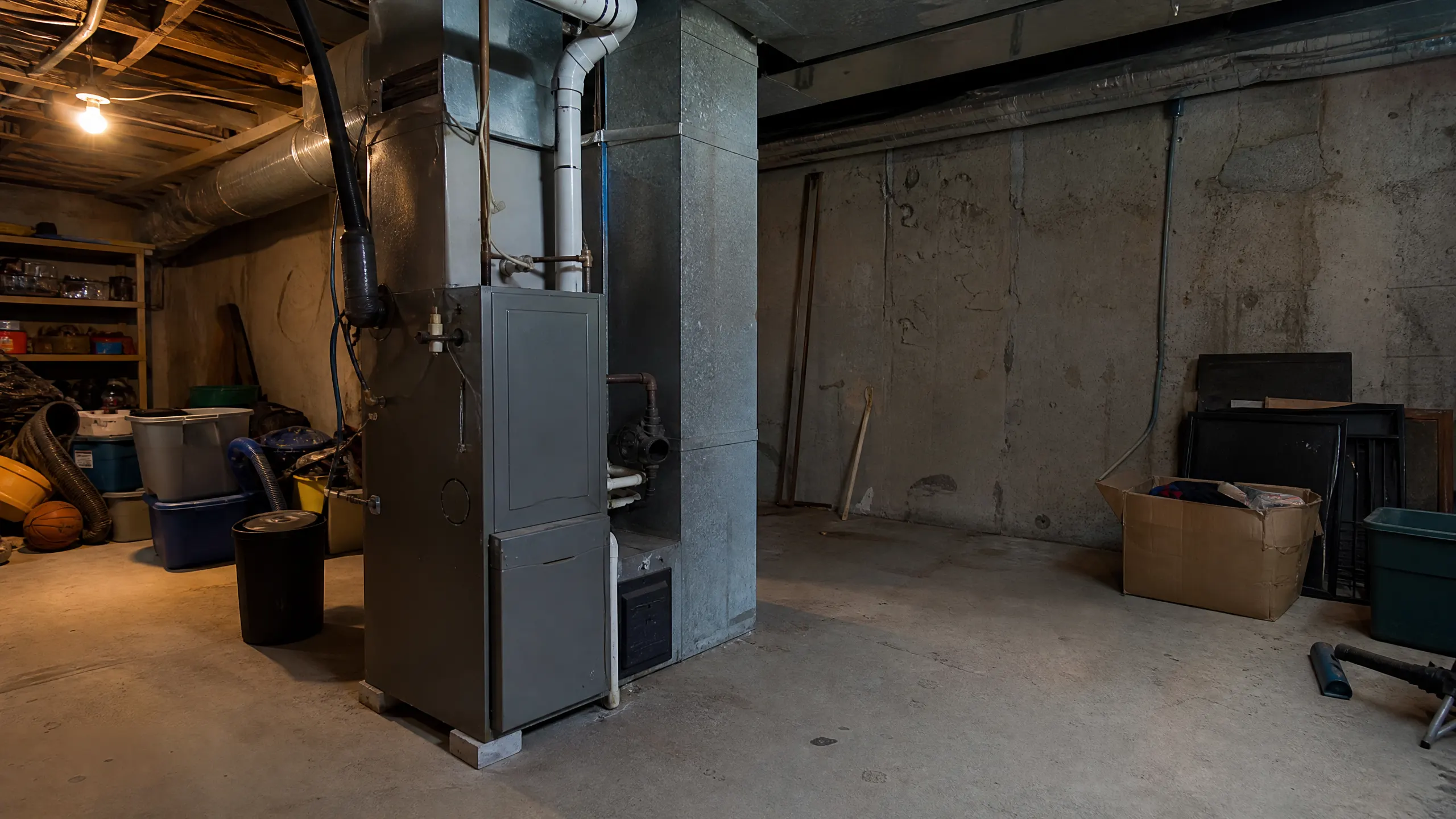
Hays homes run the furnace from October through April. That's seven months a year, on winter nights that average 20°F. A furnace here spends most of the year working, not standing by.
Most houses in this area heat with gas, and any new furnace installed here has to meet the federal minimum of 80 percent AFUE. Wind and winter storms are part of the picture too. Ellis County has seen 29 winter storms and 136 damaging wind events over the past ten years, the kind of weather that knocks out power and leaves a furnace unable to run at all until it's back.
- 7 months
- October through April, your furnace is on duty
- 20°F
- the average winter night it heats against
- 64%
- of homes here heat with gas, so most furnaces here burn gas
- 80% AFUE
- the federal minimum any new unit must meet
NOAA nClimDiv, 1991–2020 normals

A high-efficiency gas furnace would save about $120 a year to run in Ellis County compared with a gas furnace.
Estimates for a typical Ellis County home, from EIA household energy data, Kansas fuel prices and NOAA climate normals. Your home will differ.
In Kansas, HVAC licensing for homes is left to the counties and cities.
Ellis County sets its own rule on who can do HVAC work, and whether that means a license, a registration, or nothing at all depends on which office handles it locally. Kansas does not test or record HVAC contractors at the state level, so there is no state license behind the person doing this job. Whatever record exists, if any, is whatever the county or city keeps.
For a furnace installation, the protection that reliably shows up is the permit. Most local building offices require a permit for a furnace replacement and send someone out to inspect the finished work, which matters here because most homes in Ellis County heat with gas and a bad connection at the furnace is the dangerous part of the job. That inspection is not a license and does not test the contractor ahead of time. It checks the work itself, after it is done.
Source: Kansas Office of Revisor of Statutes
- What size furnace does my house need?
- The right size depends on your square footage, insulation, window count and layout, so it takes a load calculation to get a real answer. A furnace that is too big cycles on and off too fast and never runs long enough to heat evenly. One that is too small runs constantly on a 20°F night and still cannot keep up. A contractor can run this calculation on your actual house before quoting a size.
- How do I know it's time to replace my furnace?
- If your furnace is struggling to keep the house warm on the coldest nights, cycling on and off more than it used to, or needing repairs more often, it is time to start planning a replacement. Age matters too. A furnace that runs every year from October through April, seven months of work each winter, wears with every one of those months, and older units start to show it. Rising gas bills with no other explanation, or noises it did not used to make, are both signs worth having a contractor look at before you get stuck without heat on a 20°F night.
- Is a high-efficiency furnace worth it?
- A high-efficiency furnace uses less gas to produce the same heat, which matters more here since 64% of homes in Ellis County heat with gas and the season runs seven months. Any non-weatherized gas furnace made since November 2015 has to hit at least 80 percent AFUE, so the real choice is between that baseline and a higher-efficiency model above it. The higher the AFUE rating, the less fuel is wasted as exhaust. A contractor can walk through the options for your house and what each one costs to install.