Your request goes to a Wyandotte County pro who takes dryer vent jobs.
A load that used to take 40 minutes now takes two cycles, or the clothes come out hot and damp instead of dry. That usually means the vent is holding onto lint instead of pushing air outside. The dryer still runs fine. It just can't push the moisture out through a line that's partly blocked.
In Wyandotte County, humid summer air makes this worse. A dryer already has to push air against the moisture outside, and if the vent run is clogged, there's even less room for it to work. Winter doesn't let up either. Cold air is drier, but a blocked vent still forces the dryer to run longer to finish the same load, and that's wear on the belt and the heating element either way.
Some vent runs are short and straight. Others snake through a wall, a floor, or out through the roof, and those pick up lint in the bends where it's hardest to see or reach with a store-bought brush kit. What's actually caught in there, and how bad it is, depends on your setup. A contractor who clears vents in this area every week knows which configurations clog fast and which parts of a run tend to collect the most, and can tell pretty quickly whether this is a quick clear or something that needs a closer look, like a crushed section of duct or a vent hood that's letting pests build nests outside.
Getting matched means one local, licensed contractor who works on vents like yours takes it from here. They'll reach out to you directly, so you're not fielding calls from three different companies trying to win the job. You tell them what the dryer's been doing, they figure out what's actually happening inside that line.
Why does my dryer take two cycles to dry clothes now?
You run the same load twice now and it still comes out warm instead of dry. Nothing about the dryer itself has changed, you haven't switched detergent or overloaded the drum, so it's worth figuring out what's actually slowing things down before you assume the machine is on its way out.
A clogged vent is almost always the reason
The dryer heats and tumbles the same way it always has. What's changed is how much of that hot, wet air actually makes it outside. Lint builds up along the vent run, and the more that collects, the less air the dryer can push through on one cycle. So it compensates by running longer, and you end up restarting the cycle to finish the job. This isn't something that gets better on its own. A vent that's partly blocked this month will be more blocked next month, since lint keeps catching on whatever is already stuck there. Left alone, the dryer ends up working harder for the same load every time you use it.
Why is my dryer struggling more than it used to?
2.7 people per household on average
With 2.7 people in the average household here, that's a load running most days, and a vent losing airflow shows up fast when the dryer barely gets a break between runs.
Half the homes here were built by 1962
Half the homes in Wyandotte County were built in 1962 or earlier. A duct run that old has had decades to pick up dents, sagging joints, or a crushed section behind the dryer.
Power here costs 14.34 cents per kilowatt-hour
At 14.34 cents per kilowatt-hour, a dryer running two cycles instead of one to get a load dry adds up on the bill every month it goes unfixed.
ACS 2020-2024 · EIA-861 2025
How a Clogged Vent Slows Drying
Lint builds up fastest in the elbow behind the dryer and at the point where the duct exits the house.
A clogged vent forces the dryer to run longer and hotter, which wears out the heating element and the thermal fuse sooner.
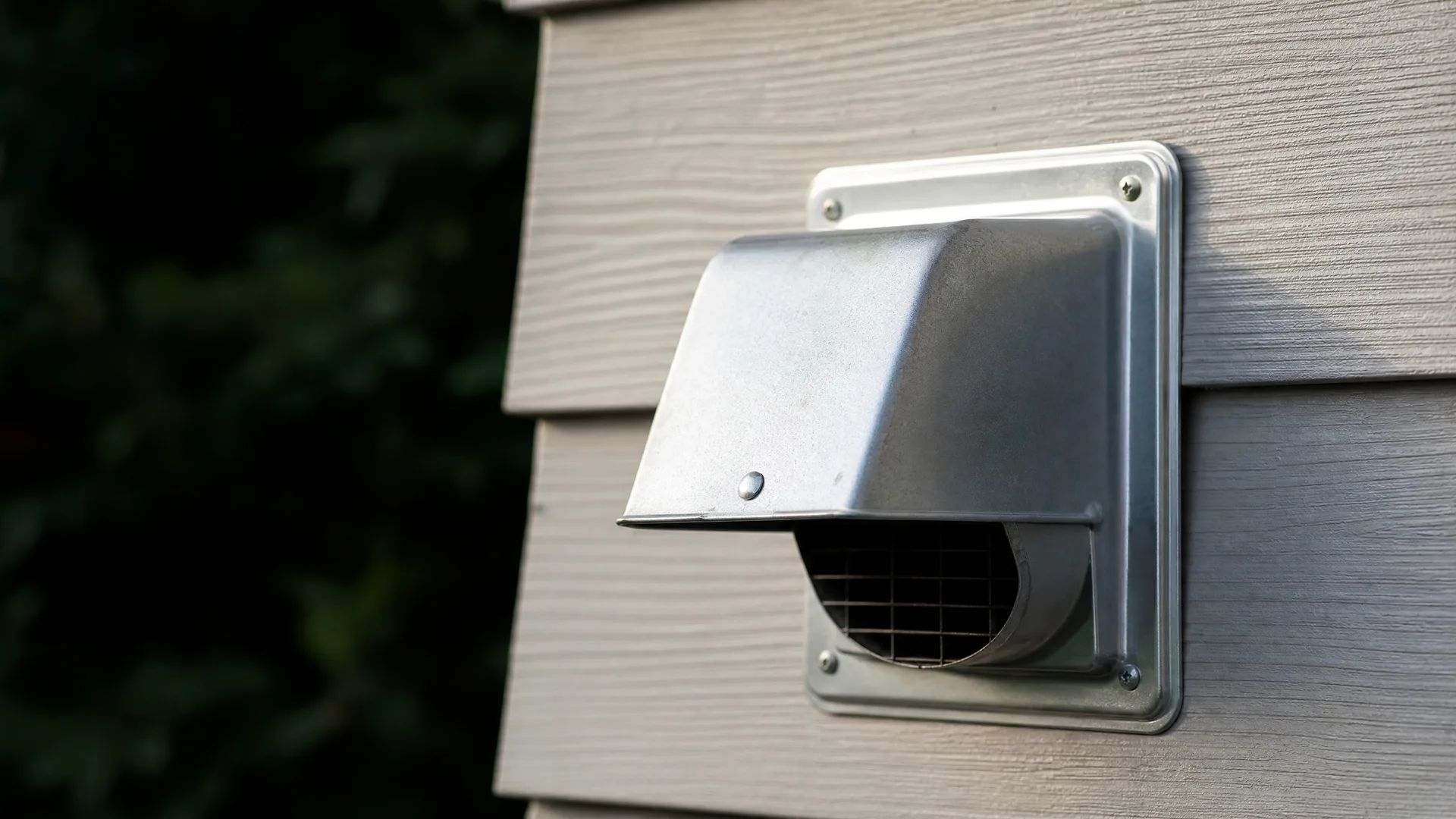
A flapper on the outside hood that barely opens when the dryer runs is a sign the vent is restricted, not just dirty.
Rigid metal duct moves air better than the coiled foil or plastic tubing some older installs still use.
A dryer vent should let you feel strong, steady airflow at the outside hood within the first few seconds of a cycle.
Birds and small animals nest in outside vent hoods over the summer here, which blocks airflow going into fall.
A dryer doesn't just tumble clothes. It pushes hot, wet air through a duct and out through a hood on the outside wall. Lint catches along the way, and it builds up fastest where the duct bends, usually in the elbow right behind the machine, and again at the exit point where the duct meets the hood. Every bit of lint sitting in that path makes the dryer push harder to move the same air. Rigid metal duct gives lint less to grab onto than the coiled foil or plastic tubing found in some older installs, so the type of duct behind your dryer matters as much as how long it's been since anyone looked at it. Outside, the hood has a flapper that's supposed to swing open wide when the dryer runs and push moist air out. If you walk outside during a cycle and that flapper barely moves, or you feel weak air instead of a strong, steady push within the first few seconds, the vent is restricted somewhere between the machine and the hood. In Wyandotte County, birds and small animals often nest inside those outside hoods over the summer, and that nesting material is still sitting there blocking airflow once fall arrives. None of this is cosmetic. A dryer forced to run longer and hotter to push air through a blocked vent puts extra strain on the heating element and the thermal fuse, and both tend to fail sooner because of it.
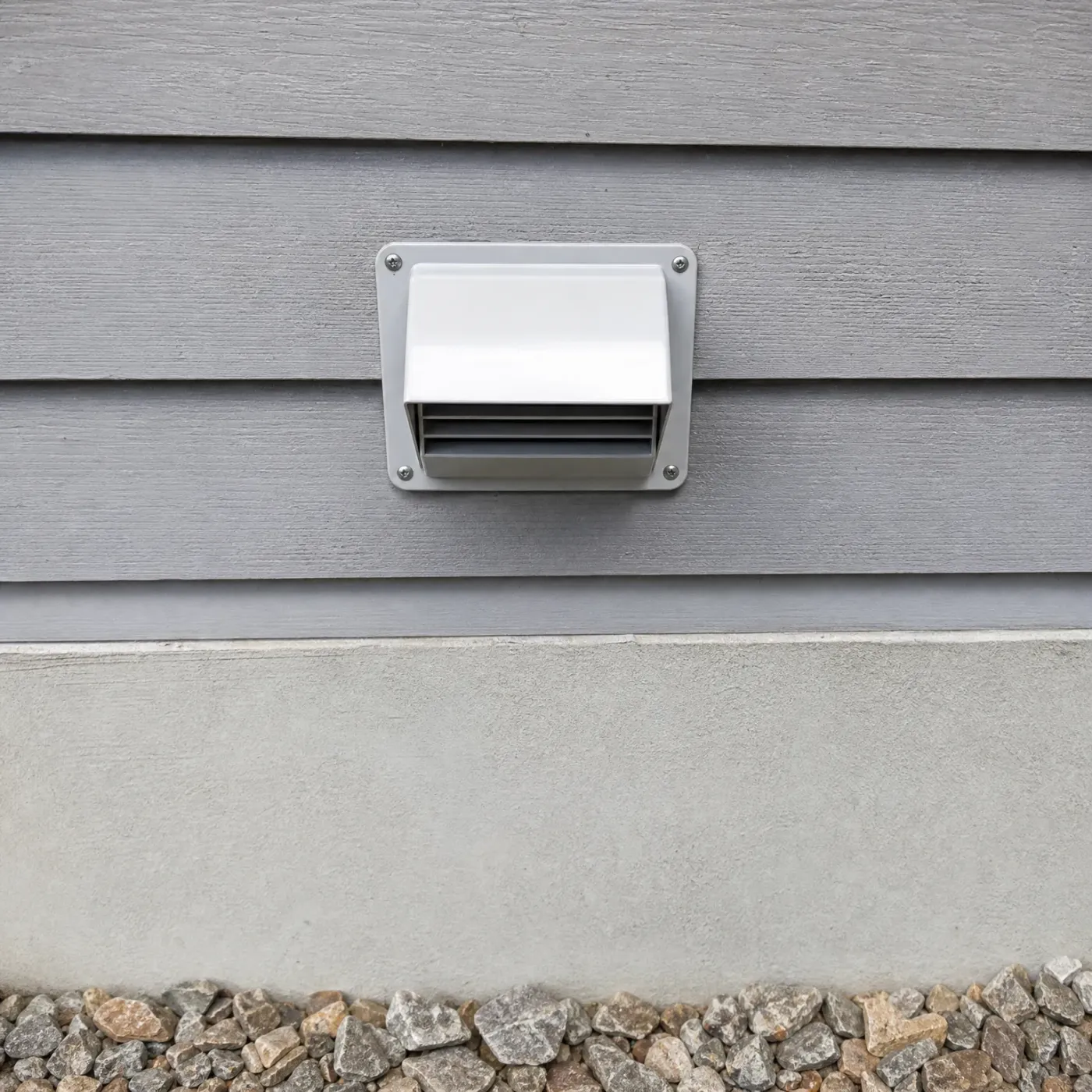
This hood sits flush and the louvers hang open, so air from the dryer pushes straight out with no resistance.
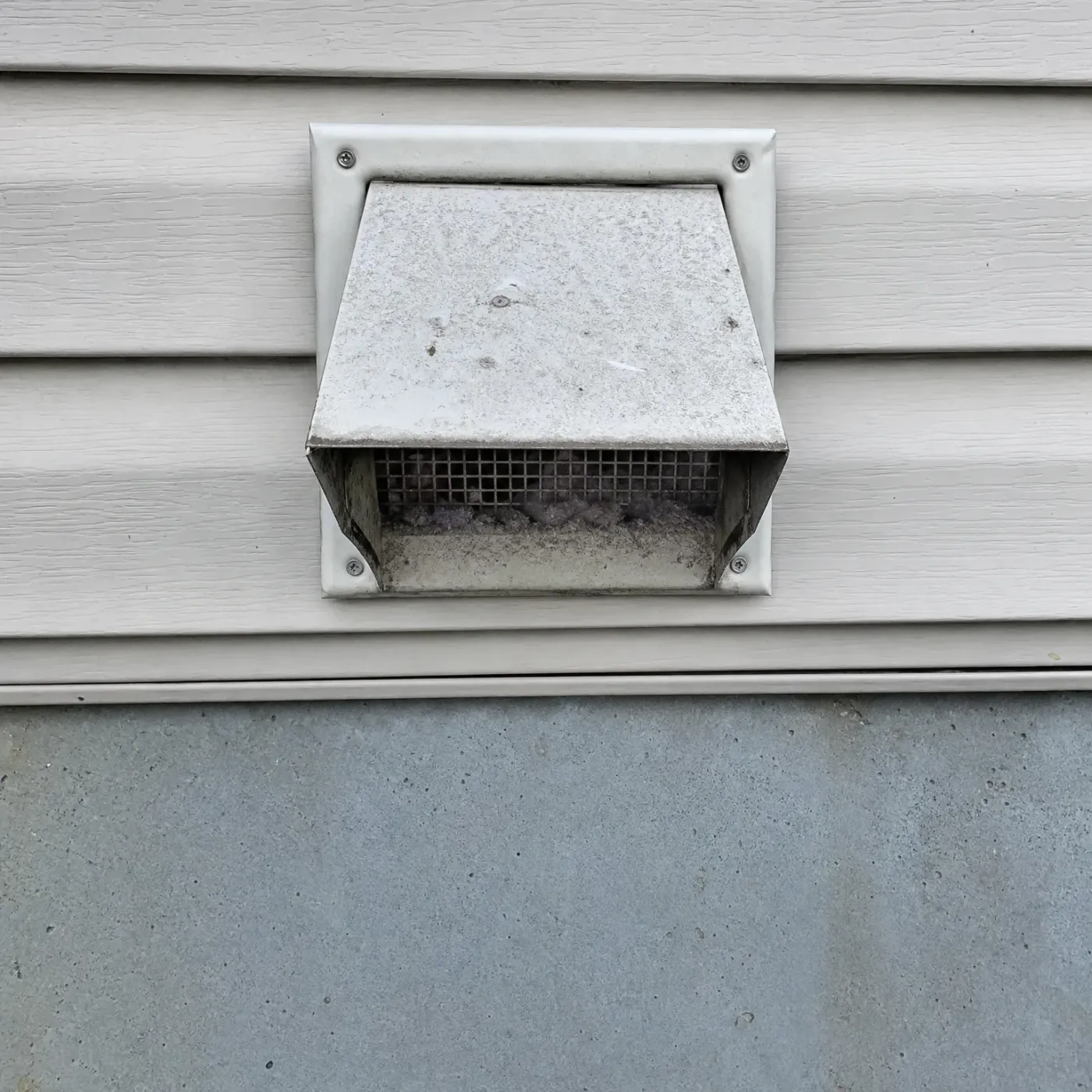
This hood is packed with lint across the whole screen, so the dryer is pushing air against a wall of it.
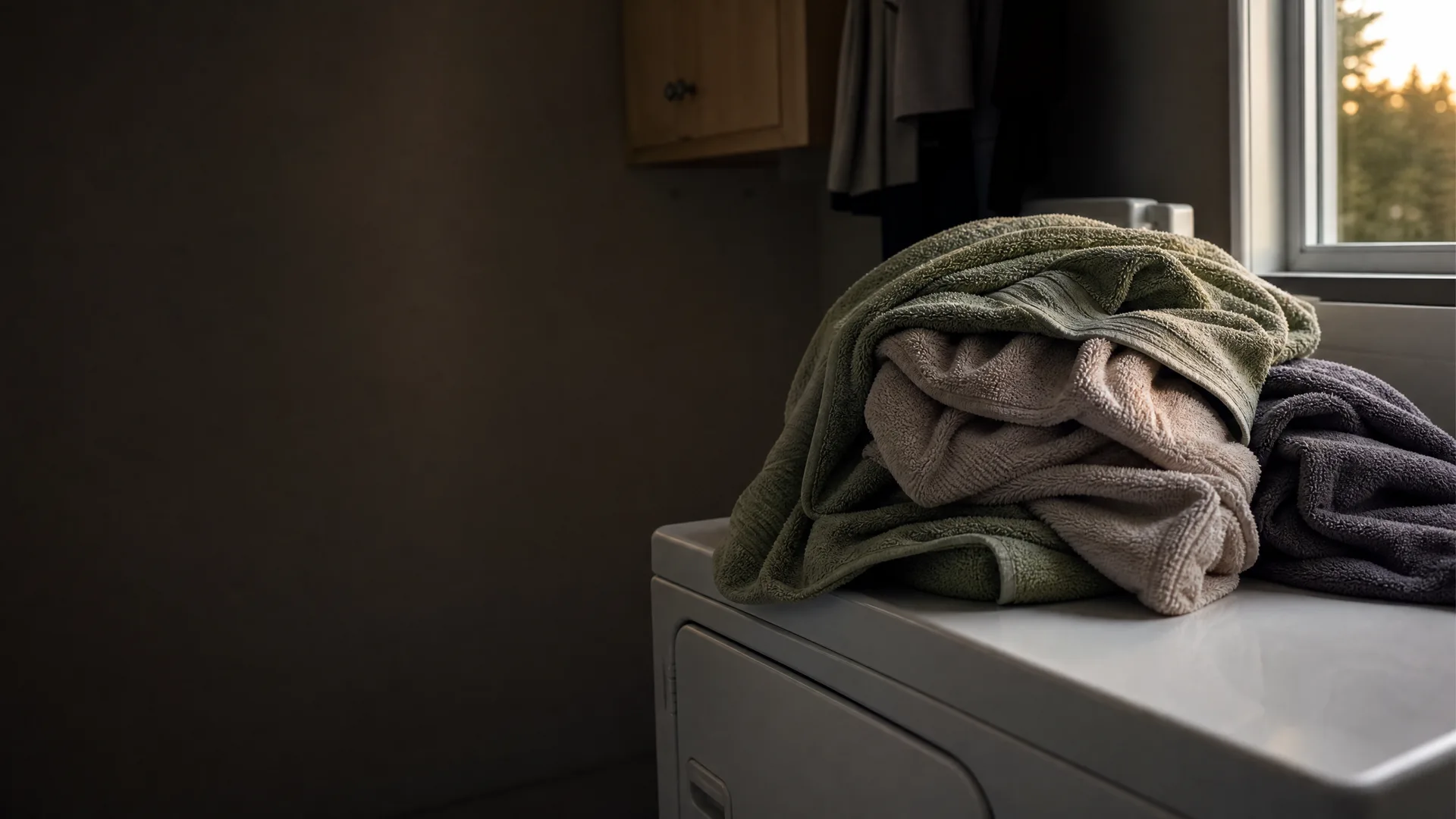
It's almost eight on a Tuesday and you're still in the laundry room. The towels have been through twice now, and they're still damp enough that you press one against your cheek just to check. The dryer is warm to the touch, warmer than it should be, and it's been running so long the room smells like hot dust instead of clean laundry. Outside, the evening's gone muggy the way it does most of the summer here in Wyandotte County. You start a third cycle and go back to the kitchen, figuring you'll deal with it this weekend, maybe look into who actually comes out and clears these vents.
Get matched with a dryer vent pro in Wyandotte County
Your request goes to one pro, not a list of companies.
There's no charge for the request.
A dryer vent is supposed to let air through at full force so the moisture in the drum has somewhere to go. Once lint narrows that path, the dryer has to push the same air through a smaller opening.
That's why the clothes come out hot instead of dry. The heat is still there, but the moist air isn't leaving the drum fast enough to carry it out of the house.
Before you get your dryer vent cleaningAfter you get your dryer vent cleaning
Before you get your dryer vent cleaning
You're running loads twice to get anything dry, and the dryer takes longer to warm up than it used to. The outside is warm to the touch most of the way through a cycle, sometimes hot. Towels and jeans come out heavier than they should, still damp at the seams. The laundry room holds heat and a faint burning smell by the second load. None of that means the dryer is failing. It means the vent isn't letting the air out fast enough, and the dryer is working harder each time to push moisture through a path that's narrower than it was.
After you get your dryer vent cleaning
A load comes out dry the first time through, in the time it used to take before you started running everything twice. The dryer heats up quicker because the air isn't fighting its way out. The outside casing stays close to room temperature instead of running hot by the end of a cycle. The laundry room doesn't trap heat the way it did. The flapper on the outside hood swings open with airflow and closes when the dryer shuts off, instead of sitting packed with lint against the screen.
Clean It Now or Keep Running Double
Clean the vent now
A straight shot of airflow means the dryer runs one cycle instead of two, so you get your evening back.
The drum stops running hot, which takes the strain off the heating element and the thermal fuse.
Lint stops piling up behind the machine and at the wall, so there's less sitting there to catch a spark.
You can press a hand to the outside of the dryer mid cycle and it won't feel hot.
A contractor who works on vents all over Wyandotte County every season knows where lint actually collects and checks it, not just the parts you can see.
Leave it alone
Every load keeps running twice, and the dryer keeps using power and gas for the second cycle it shouldn't need.
The heating element and thermal fuse keep working harder than they're built for, and one of them fails sooner for it.
Lint keeps collecting at the elbow behind the dryer and at the outside hood, so the blockage only gets worse.
Towels and jeans keep coming out heavier than they should, and you keep checking them by hand to see if they're actually dry.
The outside hood stays packed with lint across the screen, so the dryer keeps pushing air against it instead of out.
1
Lint collects in the exhaust duct behind the dryer first.
2
Airflow narrows, so damp air stops venting outside fully.
3
The dryer senses moisture and extends the cycle automatically.
4
Heat builds up in the drum since air can't escape fast.
2.7 people per household on average
At 2.7 people, your house is probably doing laundry most days of the week, not once on a weekend. That kind of steady use doesn't give a narrowing vent any time to show itself slowly. It just starts taking longer, load after load.
ACS 2020-2024
A dryer that runs twice isn't broken, it's blocked
Your dryer taking two cycles to do one load's work comes down to the vent, not the machine. Lint has narrowed the path air needs to get outside, so moisture stays in the drum instead of leaving the house. Clear that path and the dryer goes back to running the way it did when the house was new to you.
A technician who cleans vents in Wyandotte County every week knows where lint stacks up in homes like yours, the elbow behind the dryer, the hood where the duct meets the outside wall, and checks both without guessing. Once you request service, you're matched with one local, licensed contractor for your situation, not a list of companies competing for the job, so you know who's calling and why before the phone rings.
Find a dryer vent cleaning pro in Wyandotte County