

Does duct cleaning help allergies in Kansas

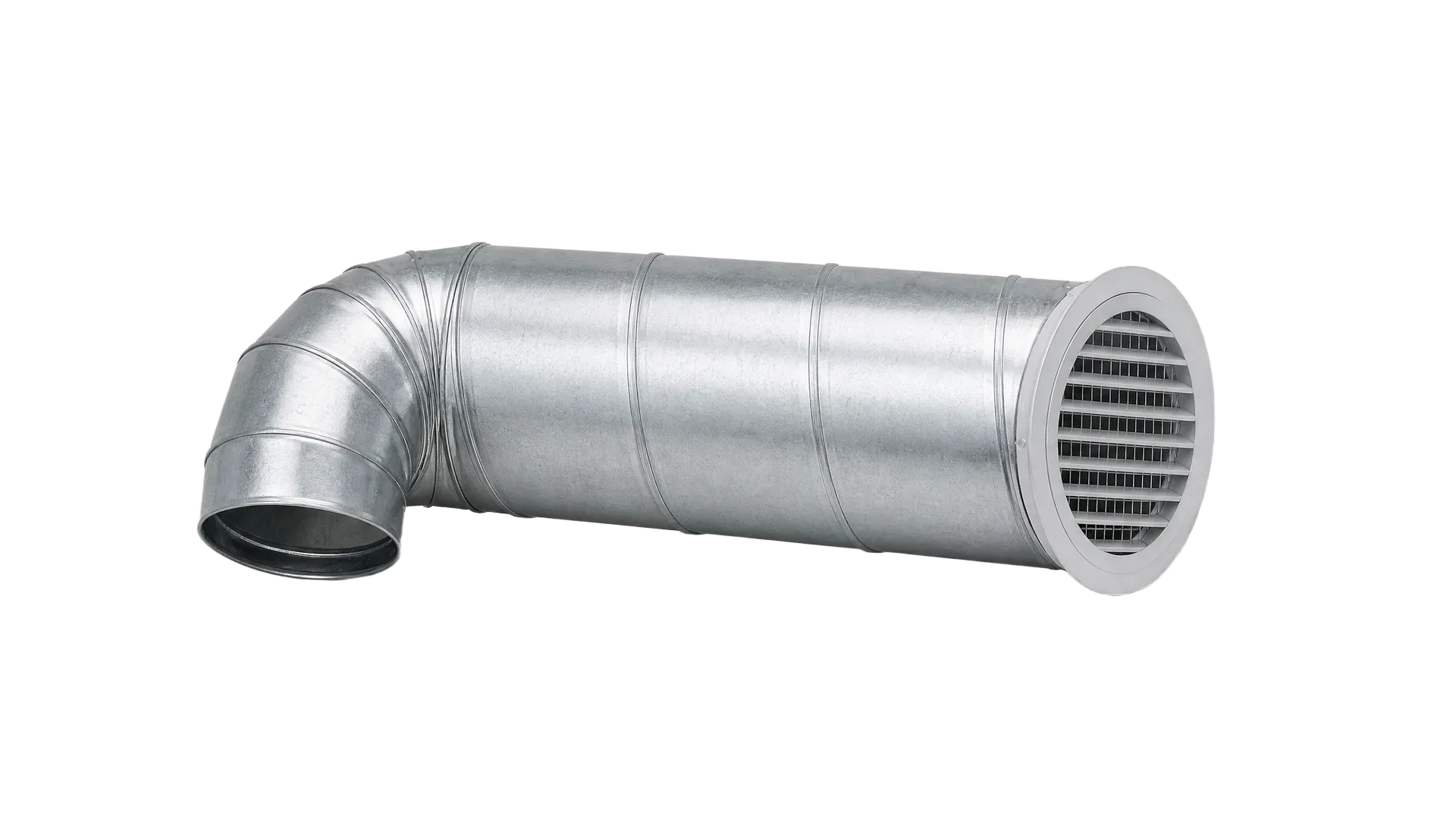
A galvanized steel round duct with a 90-degree elbow and a circular louvered vent grille at one end, photographed against a plain light gray background.
Find a duct system pro

Duct cleaning can ease allergies if your ducts actually hold dust, pet hair, or mold, but it won't fix allergies caused by pollen coming in through open windows or gaps around doors. In Kansas, the muggy summers matter here: if a home has had moisture get into the ductwork, mold can grow inside and get pushed out every time the system runs, and that's a case where cleaning makes a real difference. A dusty basement or an attic run full of dust and debris is another case where clearing it out helps. But if your symptoms are worse in spring when the trees and grass pollinate, the problem usually isn't inside the ducts at all, it's the filter and how well the house is sealed up. The honest answer is that duct cleaning helps some households and does nothing for others, and the difference is what's actually built up in your ducts right now.

A woman wrapped in a cream textured blanket sits in an armchair beside a lit lamp and a dark window, with an open book in the foreground.
A bearded man in a blue and brown plaid flannel shirt stands indoors looking out a window at snow-covered trees, with a ceramic mug on the windowsill.

When cleaning the ducts makes sense

If your filter turns gray fast, or you find dust settling on furniture within a day or two of cleaning, your ducts are likely holding onto what they move. A gas furnace pulls return air through the same trunk lines all winter, and if that air carries pet hair or dust, it gets pushed right back into every room. Musty smell from the vents when the AC first kicks on is another sign, especially after a humid stretch. In those cases, clearing out what's built up inside the ducts can mean less of it landing on your furniture and in your lungs.


When it won't touch your symptoms

If your allergies flare in spring when the trees pollinate, or only when you've had the windows open, the ducts aren't the source. Pollen gets in through open windows, doors, and gaps around them, not from inside sealed ductwork. Cleaning duct runs that aren't holding much dust or mold won't change how much pollen reaches your nose. The same goes for allergies tied to a pet that sheds on the couch, not through the vents. Before paying for duct cleaning, it helps to notice when symptoms actually hit and whether that lines up with what's blowing out of your vents or what's coming in your doors.

Power costs 14.44 cents per kilowatt-hour statewide

At 14.44 cents per kilowatt-hour, running your blower longer than it needs to costs you something every month. Ducts packed with dust make the system work harder to push air through, so clearing them out can mean shorter run times, not just cleaner air.

EIA-861 2025 statewide residential average

Empty unfinished basement with concrete walls and floor, exposed wood joists, metal HVAC ducts and pipes overhead, and a steel support column near a framed wall.

Ducts moving air clean

This is what you want behind your walls and joists. Air moves through smooth, clear metal with nothing to catch dust or shed it back into the rooms above. A furnace or AC running on ducts like this isn't adding anything to what it's already pulling in from the house.

Empty basement with bare concrete walls and floor, a steel support column, and galvanized sheet-metal ductwork and pipes running along the exposed wood joist ceiling.

Ducts holding onto dust

Dust, pet hair, and mold sit inside the sheet metal itself, in the elbows and branches where air slows down. Every time the blower kicks on, some of it rides along into your bedroom or living room. Cleaning strips that buildup out so the ducts go back to just moving air, not adding to it.

A man in a dark blue shirt stands in an open front doorway of a stucco and wood-clad house, facing a blond woman seen from behind in the foreground on a stone walkway.

What this looks like in your house

If your ducts are the problem, you'll notice it in specific rooms, not the whole house at once. A bedroom at the end of a long run that always feels dustier, a return vent in the hallway with a gray film around the grille, a kid who sneezes more in their room than anywhere else. Pull the vent cover off and look. If there's a layer of dust built up on the inside edge where you can't normally see, that's been circulating through that room for a while.

A local contractor who works on gas furnace systems in Kansas homes sees this pattern often enough to know which runs tend to collect the most, usually the longest ones or the ones near a return. Getting matched with one who can look at your specific layout means someone's checking your actual ducts, not giving you a general answer. That's worth more than guessing from a filter alone.

Interior corner of a living room with a beige upholstered sofa and dark cushion in the foreground, a ceramic vase of leafy branches on a dark side table by a curtained window, a framed picture on the wall, and a wood-surround fireplace at right.
A gray-haired, bearded man in a dark coat dusted with snow stands smiling in a dimly lit room with a lamp, mirror, framed art, and a sofa in the background.
An older man with white hair and a beard, wearing a dark snow-dusted coat and scarf, stands in a warmly lit interior hallway with a framed landscape picture, a table lamp and a potted plant behind him, and a snowy view through a window at left.
An older man in a dark snow-flecked overcoat and scarf stands smiling in a warmly lit home entryway, with a glass-paned door showing darkness outside and a lamp-lit room visible through a doorway behind him.
An older man with gray hair and a beard, wearing a dark snow-dusted jacket and scarf, stands smiling in a warmly lit interior hallway with a lit table lamp, a vase of dried branches, and a framed picture in the background.

A local pro for your ductwork cleaning

A Kansas home with mold behind the walls from a humid summer, or a furnace that's been pulling the same dusty air through its trunk lines for years, isn't a problem you solve by guessing. Someone who services ducts and gas furnaces around here all season knows what a moldy trunk line looks like versus what's just normal dust, and that matters more than any general advice can. Send the request and it goes to one contractor local to your area, not a handful competing for the job, so you're dealing with someone who can actually look at your specific setup and tell you if cleaning will do anything for your allergies or if the real issue is somewhere else, like a window seal or a gap around a door. If dust or mold in the ducts is part of what you're breathing, getting someone out to look is how you find out for sure.

Where Your Allergies Stand Now

  • Duct cleaning helps when your ducts hold dust, pet hair, or mold, not when pollen is getting in through windows or gaps.
  • A gray filter or dust settling fast after cleaning points to ducts as the source, not the outdoor air.
  • Moisture from a muggy Kansas summer that got into the ducts is the kind of problem cleaning actually addresses.
  • A local contractor who works on gas furnaces and ducts all season knows which of these causes shows up in your house.
  • Matching you with one contractor instead of several means one visit, one assessment of what's actually behind your symptoms.

Duct cleaning is not a blanket fix for allergies. It works when the cause is actually living in your ductwork: dust that recirculates every time the furnace kicks on, pet hair caught in the trunk lines, or mold that took hold after a humid Kansas summer worked moisture into the system. It does nothing for pollen coming in through a window you leave cracked or a gap around a door frame. The gray filter, the dust that resettles within a day or two, the musty smell when the AC first kicks on. Those are the signs that point to your ducts rather than the outdoor air. If none of that sounds like your house, cleaning will cost you without changing how you feel.

What makes this worth acting on is knowing which one you're dealing with, and that's harder to tell from the outside than it sounds. A contractor who works on gas furnaces and duct systems around Kansas all season has seen what a muggy summer does to ductwork here, and what a few years of normal household dust looks like by comparison. That's the kind of judgment call that matters more than the cleaning itself.

You'll be matched with one contractor, local and licensed, not a handful of companies competing for your callback. One visit, one honest look at your ducts, and an answer specific to what's actually happening in your house.

Dimly lit interior showing galvanized sheet-metal HVAC ductwork running below a wooden joist ceiling above a dark gray wall.

Get the right pro for your ductwork

Only one pro gets your request, so you hear from one company.

Duct and vent cleaningDucts or ventsKansas
Step 1 of 2

What ZIP code is the job in?