
HVAC Repair in Emporia, KS
Homes here need heat from October through April and cooling from June through September. If your system quits, tell us what it's doing and a licensed contractor who covers Lyon County will get in touch.
Tell us about the job
It takes about a minute.
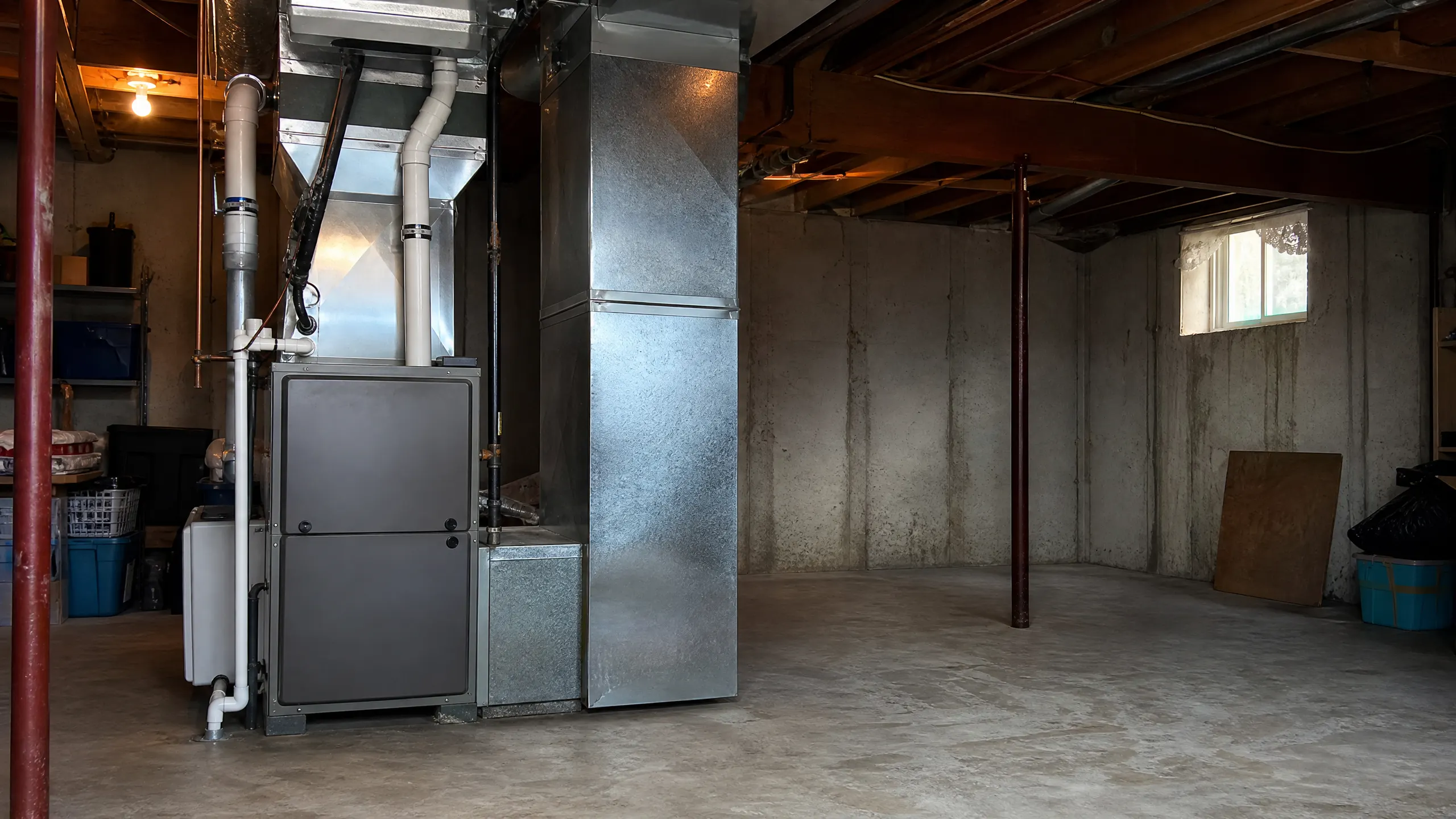
Eleven months of work, most years
Your furnace runs October through April here, and the air conditioner takes over June through September. That leaves the system idle one month a year, if that. Winter nights average 23°F, so the burner is cycling on and off most of the night to hold the house steady. Summer afternoons climb to 88°F, and the compressor runs long stretches to keep up with that.
Lyon County has logged 13 winter storms and 90 damaging wind events over the past ten years. Wind and ice are enough to knock out power, and in Kansas, 19% of households went at least 24 hours without it in 2024. Most furnaces and air conditioners need electricity to run even if they burn gas, so when the power drops, so does your heat or your cooling. Just over half of homes here heat with gas, and for those, a dead igniter or a pilot that won't stay lit is a common reason the furnace stops answering the thermostat.
- 7 months
- October through April, your system heats
- 4 months
- June through September, it cools
- 23°F
- the average winter night it heats against
- 88°F
- the average summer afternoon it cools against
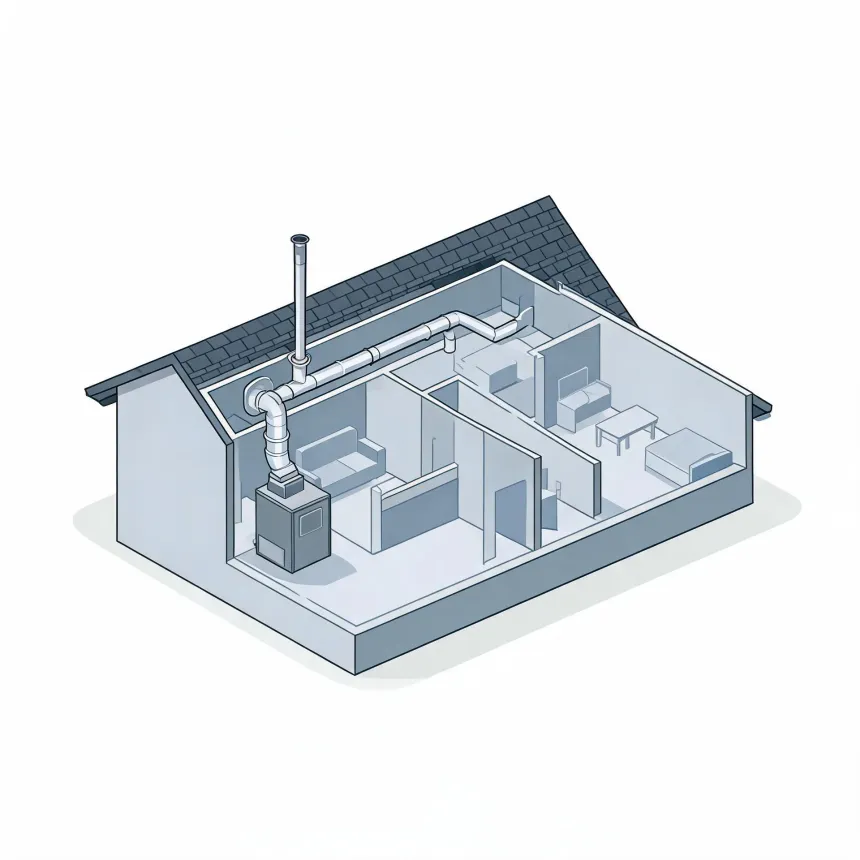
NOAA nClimDiv, 1991–2020 normals

A new furnace and air conditioner would cut about $150 a year off heating and cooling for a typical Lyon County home.
Estimates for a typical Lyon County home, compared with an older unit built to the previous federal minimum, from EIA household energy data, Kansas fuel prices and NOAA climate normals. Your home will differ.
Repair makes sense when one part has failed.
Replacement makes sense when the furnace's heat exchanger is cracked, the air conditioner's compressor has failed, or repairs keep coming.
In Kansas, HVAC licensing for homes is left to the counties and cities.
Source: Kansas Office of Revisor of Statutes
- Why is my heat not working?
- Most no-heat calls in winter come down to the thermostat, the igniter, or the pilot light. If the thermostat screen is blank, check the batteries first. If you have a gas furnace, look for a light on the control board. A blinking code there points to what stopped it, often a dirty flame sensor or an igniter that has failed. With nights here dropping to 23°F, a furnace that will not start needs attention fast, since a house can lose heat quickly at that temperature. If the burners light but blow out, or the furnace short cycles, that is worth a call rather than repeated attempts to restart it.
- Why is my system running but not cooling the house?
- If the blower is running but the air is not cold, check the outdoor unit first. The fan there should be spinning. If it is not, the unit is not doing its job even though the indoor blower runs. A dirty filter can choke airflow enough that the coil freezes up, so check it and replace it if it is gray or clogged. If the filter is clean and the outdoor fan is turning but the air still is not cold, the refrigerant charge or the compressor needs a contractor to look at it.
- What can I check before calling for HVAC repair?
- Start with the thermostat. Make sure it is set to heat or cool as needed, the batteries are good, and the temperature setting actually calls for the system to run. Next, check the filter and swap it if it is dirty, since a clogged filter can cause both no-heat and no-cool complaints. Check the breaker for the system too, since a tripped breaker will stop it cold and looks like a bigger problem than it is. If those are fine and the system still is not working, a contractor will need to diagnose it.